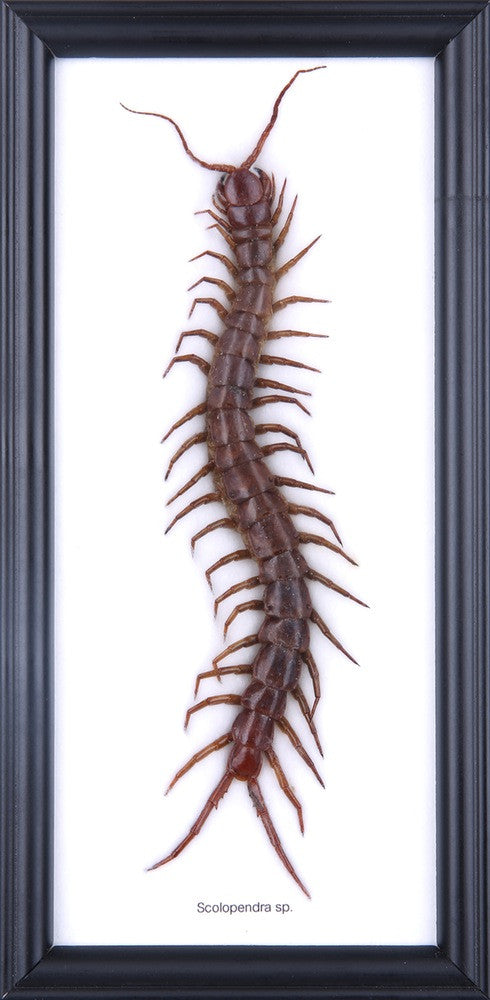
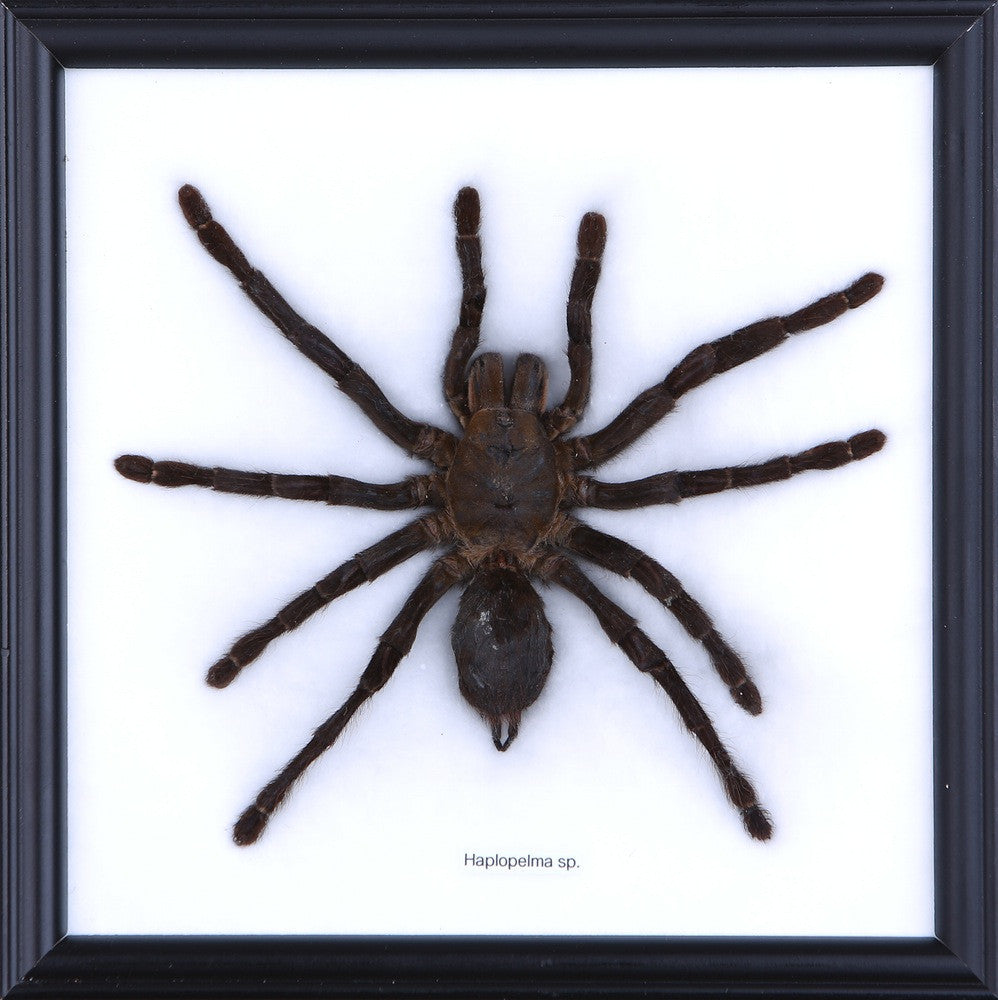
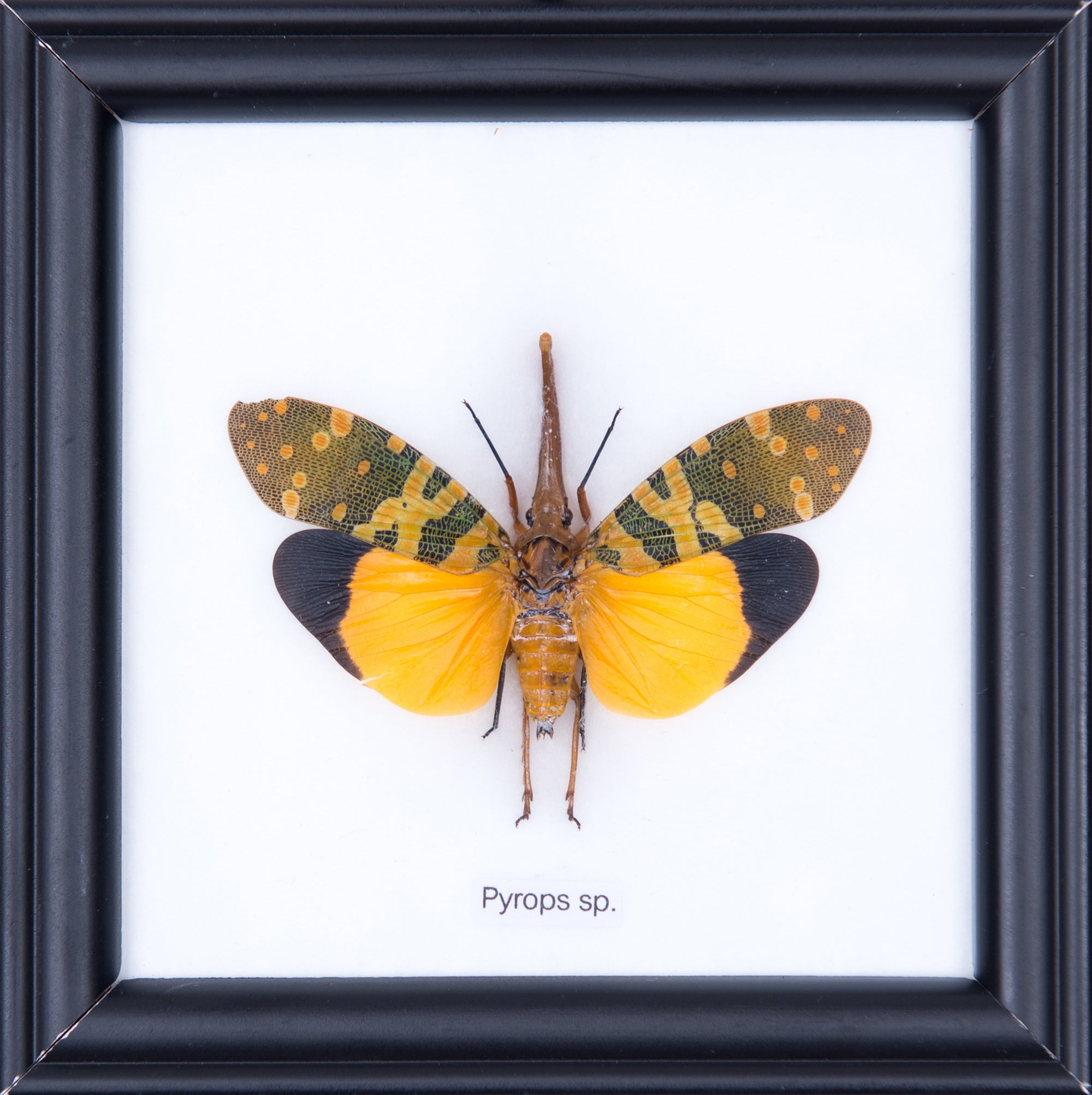
Get your package anywhere!
Welcome to BugsDirect Ltd. Leading Suppliers of Worldwide Entomology Specimens (Retail/Wholesale)

The British Isles are home to 59 resident and regular migrant butterfly species, representing some of Europe's most beautiful and ecologically important Lepidoptera. This comprehensive guide explores twelve iconic British butterfly species, their natural history, identification features, and conservation status.
British butterflies belong to five main families: Papilionidae (swallowtails), Pieridae (whites and yellows), Lycaenidae (blues, coppers and hairstreaks), Nymphalidae (fritillaries, vanessids and browns), and Hesperiidae (skippers). They play vital roles as pollinators, prey species, and indicators of ecosystem health.
Many British butterfly populations have declined significantly due to habitat loss, agricultural intensification, and climate change, making conservation efforts and public awareness increasingly important.
Family: Pieridae
Wingspan: 52-60mm
Flight Period: February-September (one generation)
Status: Common and widespread
The Brimstone is one of Britain's longest-lived butterflies, with adults surviving up to 13 months. Males are bright sulphur-yellow while females are pale greenish-white, both with distinctive leaf-shaped wings. The species is thought to have inspired the word "butterfly" - originally "butter-coloured fly."
Habitat: Woodland edges, hedgerows, gardens
Larval foodplant: Buckthorn (Rhamnus cathartica) and Alder Buckthorn (Frangula alnus)
Overwintering: Adult stage, hibernating in ivy or holly
Family: Pieridae
Wingspan: 46-54mm
Flight Period: May-October (migrant)
Status: Migrant, numbers vary annually
A spectacular migrant from southern Europe and North Africa, arriving in Britain during spring and summer. Males are vibrant golden-yellow with dark borders, while females show pale forms. The species cannot survive British winters but occasionally breeds successfully during warm summers.
Habitat: Coastal areas, clover fields, lucerne crops
Larval foodplant: Clovers (Trifolium spp.) and other legumes
Migration: Arrives from Mediterranean, peak numbers in hot summers
Family: Nymphalidae
Wingspan: 44-48mm
Flight Period: March-September (two generations)
Status: Common and increasing
Instantly recognizable by its ragged wing edges and the distinctive white comma-shaped mark on the underwing. The species has expanded its range northward in recent decades, likely due to climate change and increased use of garden hops and nettles.
Habitat: Woodland edges, gardens, hedgerows
Larval foodplant: Common Nettle, Hop, elms
Overwintering: Adult stage, often in sheds or hollow trees
Family: Pieridae
Wingspan: 40-52mm
Flight Period: April-October (two-three generations)
Status: Common and widespread
Often confused with Small White, but distinguished by the greenish veins on the underwing. Prefers damper habitats than other white butterflies and is less associated with gardens and agricultural areas.
Habitat: Damp meadows, woodland rides, hedgerows
Larval foodplant: Garlic Mustard, Cuckooflower, watercress
Conservation: Stable populations, less affected by agricultural pesticides
Family: Pieridae
Wingspan: 56-66mm
Flight Period: April-October (two generations)
Status: Common, supplemented by migrants
The classic "cabbage white," notorious as a garden pest but an important part of British biodiversity. Females are larger with two black spots on each forewing; males have black wingtips only. British populations are supplemented by continental migrants.
Habitat: Gardens, allotments, farmland, waste ground
Larval foodplant: Brassicas (cabbages, nasturtiums)
Behaviour: Gregarious larvae can defoliate plants; adults are strong fliers
Family: Nymphalidae (Satyrinae)
Wingspan: 46-56mm
Flight Period: June-August (one generation)
Status: Locally common, expanding range
Despite its name and appearance, the Marbled White is actually a member of the "brown" family (Satyrinae). Its striking black and white checkerboard pattern makes it unmistakable. The species has expanded northward in recent years.
Habitat: Unimproved chalk and limestone grassland
Larval foodplant: Red Fescue and other fine grasses
Conservation: Benefits from traditional hay meadow management
Family: Nymphalidae
Wingspan: 54-58mm
Flight Period: March-September (one generation)
Status: Common and widespread
One of Britain's most recognizable butterflies, with spectacular eyespots in red, yellow, blue and black on a deep russet background. The eyespots serve as anti-predator defenses, startling birds and other predators. A familiar garden visitor, especially to buddleia.
Habitat: Gardens, parks, woodland edges, hedgerows
Larval foodplant: Common Nettle (exclusively)
Overwintering: Adult stage in hollow trees, buildings, or log piles
Family: Nymphalidae
Wingspan: 56-62mm
Flight Period: May-October (migrant and resident)
Status: Common, migrant and increasingly resident
A powerful flier with bold red bands on velvety black wings. Traditionally considered a migrant from continental Europe, but increasing numbers now successfully overwinter in southern Britain. Adults are attracted to rotting fruit, ivy flowers, and buddleia.
Habitat: Gardens, parks, woodland, coastal areas
Larval foodplant: Common Nettle
Behaviour: Territorial males perch in sunny spots, investigating passing insects
Family: Erebidae (day-flying moth)
Wingspan: 45-55mm
Flight Period: June-July (one generation)
Status: Locally common in southern England and Wales
Though technically a moth, the Scarlet Tiger flies during the day and is often included in butterfly guides. Its dramatic red, black, cream and metallic blue-green colouration makes it one of Britain's most beautiful Lepidoptera. The species shows considerable colour variation.
Habitat: Damp meadows, river valleys, fens
Larval foodplant: Comfrey, Hemp-agrimony, nettles
Conservation: Localized distribution, requires damp habitats
Family: Nymphalidae
Wingspan: 45-50mm
Flight Period: March-October (two-three generations)
Status: Common but declining
A classic British butterfly with orange wings marked with black and yellow patches and a row of blue marginal spots. Once one of Britain's most abundant species, it has declined significantly in southern England since 2003, possibly due to parasitoid fly attacks.
Habitat: Gardens, parks, meadows, woodland edges
Larval foodplant: Common Nettle
Overwintering: Adult stage in buildings, sheds, or hollow trees
Family: Pieridae
Wingspan: 40-50mm
Flight Period: March-October (two-three generations)
Status: Abundant and widespread
Britain's most common butterfly, found in virtually every habitat. Smaller and daintier than Large White, with grey-black wingtips and one or two spots on the forewing. Like its larger relative, it's considered a minor pest on brassica crops but is an important pollinator.
Habitat: Gardens, farmland, parks, waste ground - ubiquitous
Larval foodplant: Brassicas and related plants
Behaviour: Highly mobile, strong dispersal ability
Family: Nymphalidae (Satyrinae)
Wingspan: 47-50mm
Flight Period: March-October (two-three generations)
Status: Common and increasing
A woodland specialist with brown wings marked with cream spots and distinctive eyespots. Unlike most butterflies, it thrives in dappled shade rather than full sun. Males are highly territorial, spiraling upward in aerial combat with rivals.
Habitat: Woodland rides, shaded hedgerows, gardens with trees
Larval foodplant: Various grasses including Cock's-foot
Behaviour: Can overwinter as either larva or pupa
Butterflies possess four wings covered in thousands of tiny scales that create their colours and patterns. They have six legs (though some species hold the front pair tucked up), compound eyes, and antennae with clubbed tips (distinguishing them from moths). The proboscis is a coiled tube used for feeding on nectar.
Butterflies undergo complete metamorphosis with four distinct life stages:
1. Egg: Laid on or near larval foodplants, often on the underside of leaves. Duration: 1-2 weeks.
2. Larva (Caterpillar): Feeding stage, molting through several instars as it grows. Duration: 2-5 weeks depending on species and temperature.
3. Pupa (Chrysalis): Transformation stage where larval tissues reorganize into adult form. Duration: 1-4 weeks, or overwinter for some species.
4. Adult (Imago): Reproductive stage focused on mating and egg-laying. Lifespan: 2-4 weeks for most species, up to 11 months for hibernating species like Brimstone.
76% of British butterfly species have declined in abundance or distribution over the past 40 years. Key threats include:
Butterfly conservation efforts include habitat restoration, agri-environment schemes, garden wildlife initiatives, and citizen science monitoring through schemes like the UK Butterfly Monitoring Scheme and Big Butterfly Count.
Butterfly specimens have been collected and studied for centuries, contributing to our understanding of taxonomy, biogeography, evolution, and ecology. Museum collections provide invaluable baseline data for tracking population changes, range shifts, and the impacts of environmental change.
Ethically sourced, captive-bred specimens allow collectors, educators, and researchers to study British Lepidoptera without impacting wild populations. Pinned and spread specimens reveal wing venation, scale structure, and identification features that are difficult to observe in living butterflies.
Butterfly specimens are ideal for teaching:
Create butterfly-friendly habitats by:
For those interested in learning more about British butterflies, we recommend:
BugsDirect specializes in museum-quality entomological specimens, including ethically sourced, captive-bred British butterfly specimens. Explore our butterfly collection or contact us for more information about building educational collections.