Museum-Quality Preservation: Where Art Meets Science
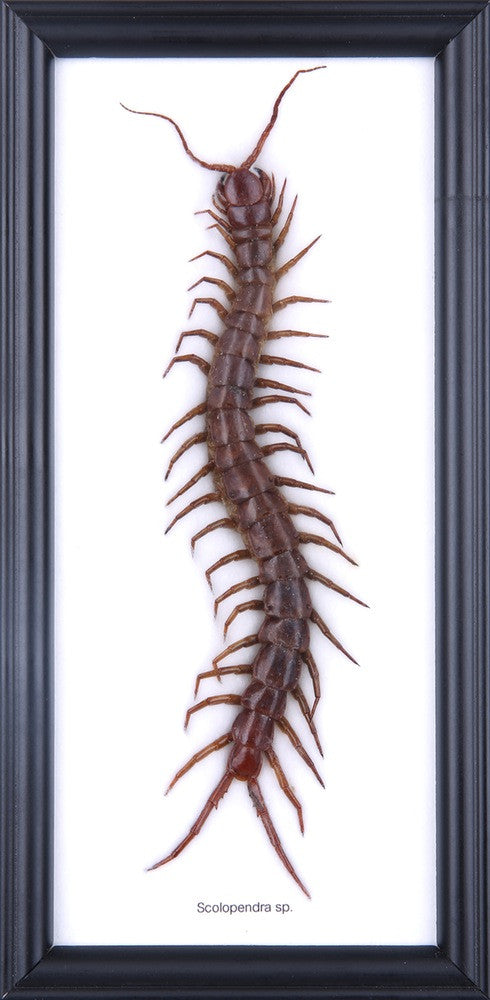
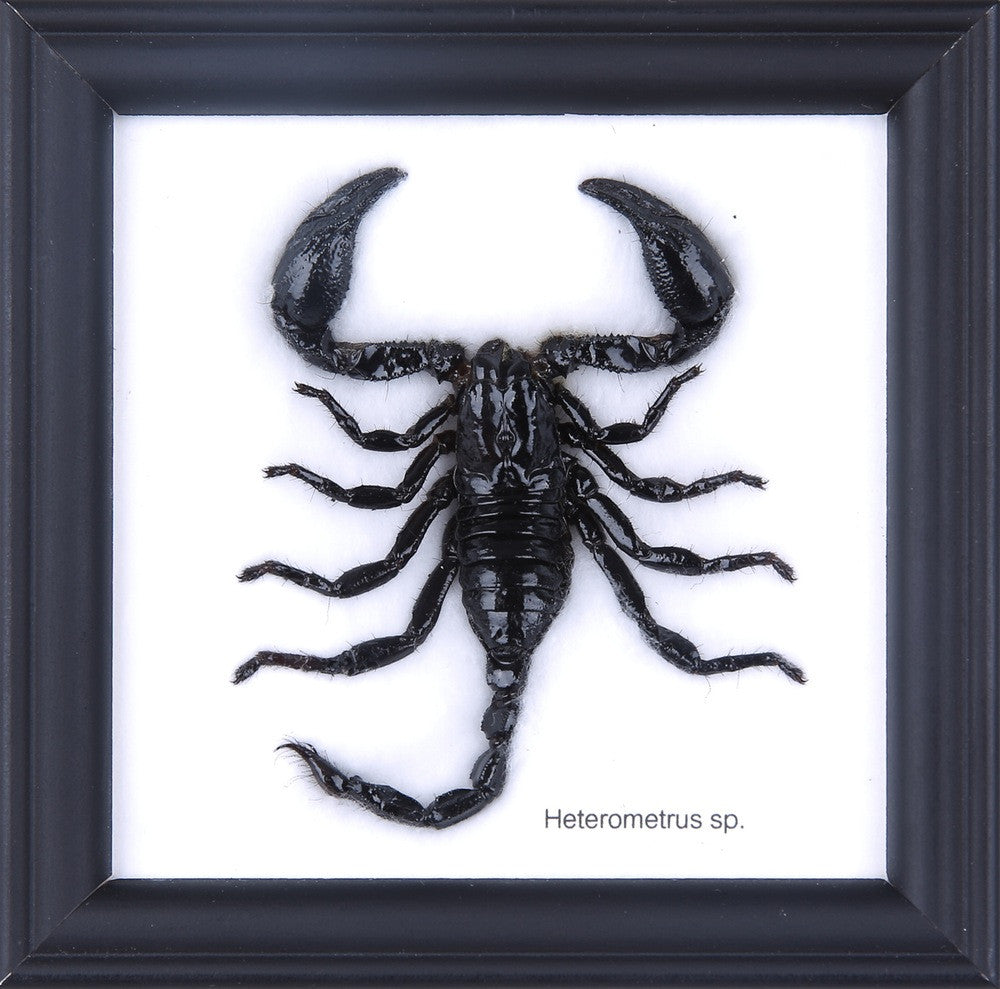
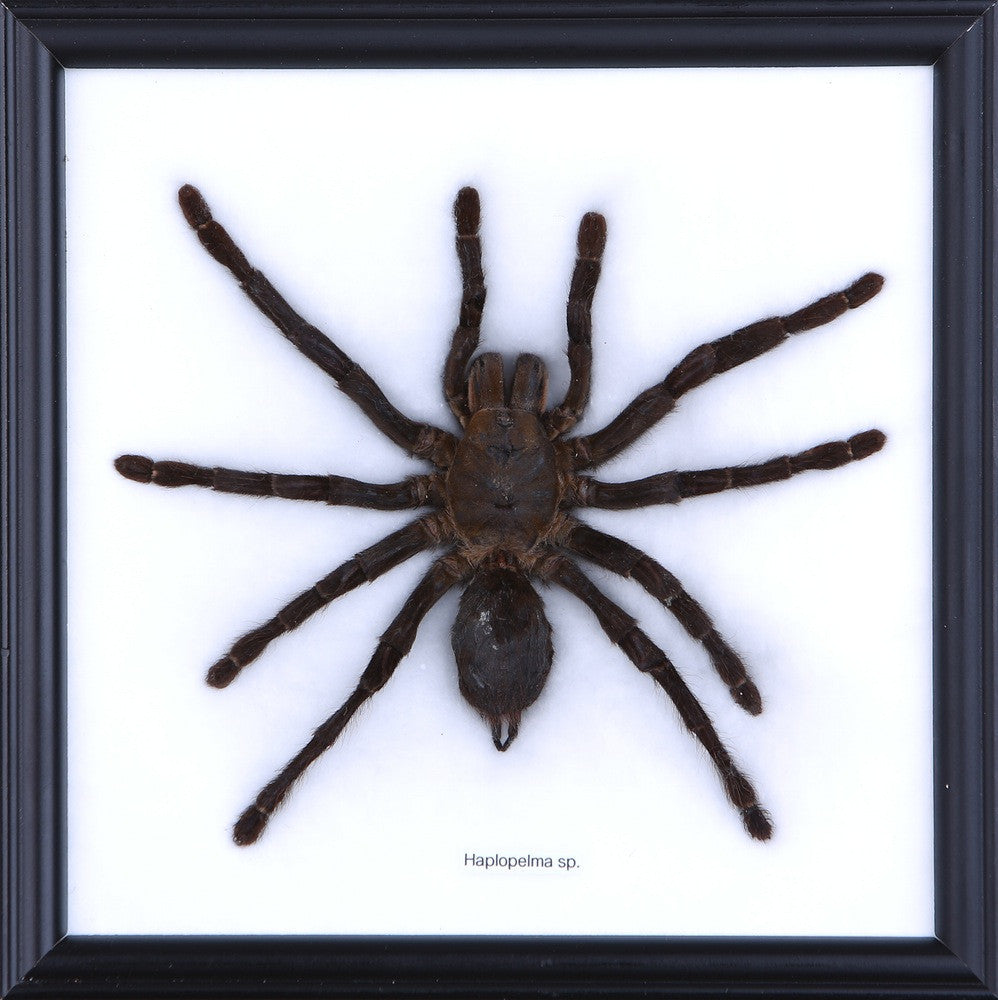
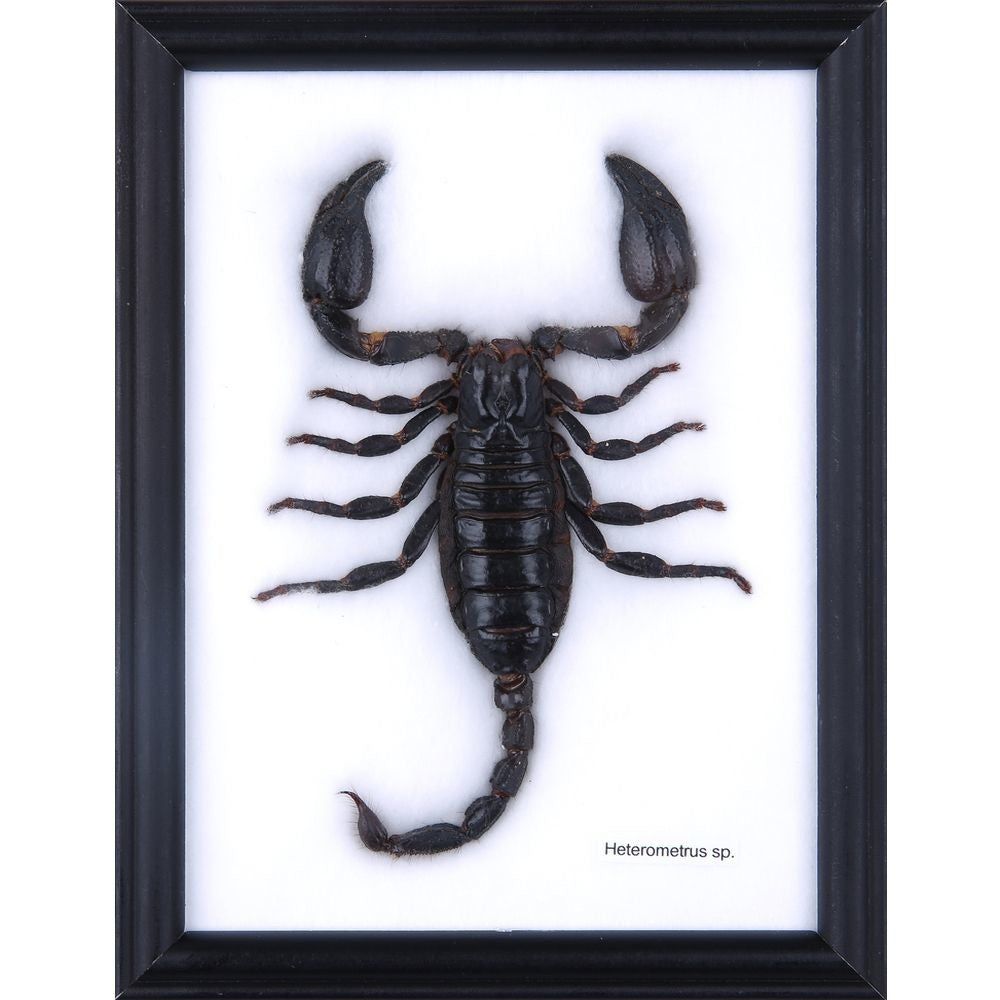
Creating a museum-quality butterfly or insect specimen is both an art and a science. It requires expert knowledge of entomology, meticulous attention to detail, and years of experience to preserve these delicate creatures in their most beautiful and scientifically accurate form.
The Specimen Preparation Process
From conservation farm to finished display, each specimen undergoes a careful multi-step process:
1. Collection & Initial Handling
Only naturally deceased specimens are collected from conservation farms. Timing is critical—specimens must be collected soon after death to ensure optimal preservation potential. Each specimen is carefully documented with collection data including species, location, and date.
2. Relaxation
Specimens are placed in a controlled humidity chamber to relax the muscles and joints. This crucial step allows wings and appendages to be positioned without damage. The process can take 24-48 hours depending on the specimen's size and condition.
3. Spreading & Positioning
This is where artistry meets precision. Using specialized tools and spreading boards, the preparator carefully positions:
-
Wings: Spread symmetrically to display pattern and colour
-
Antennae: Positioned naturally and proportionally
-
Legs: Arranged in lifelike positions
-
Body: Aligned for optimal viewing and scientific accuracy
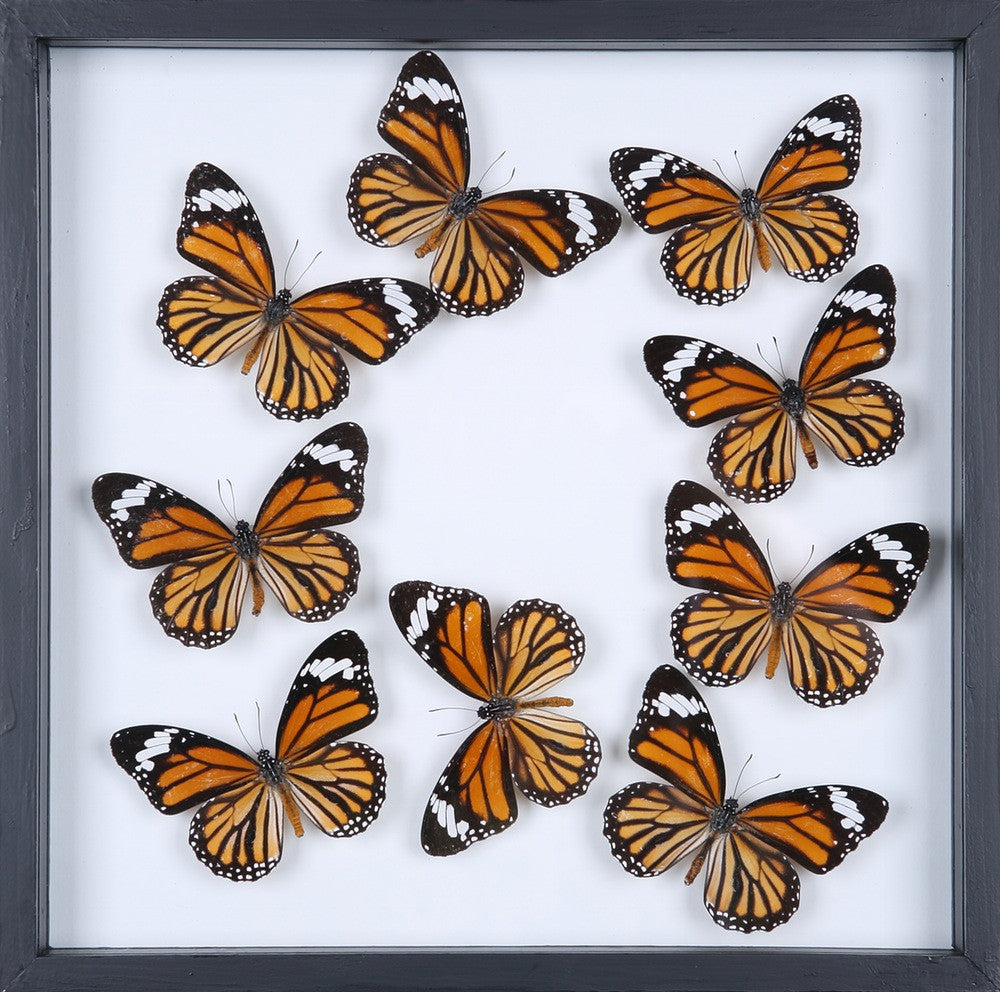
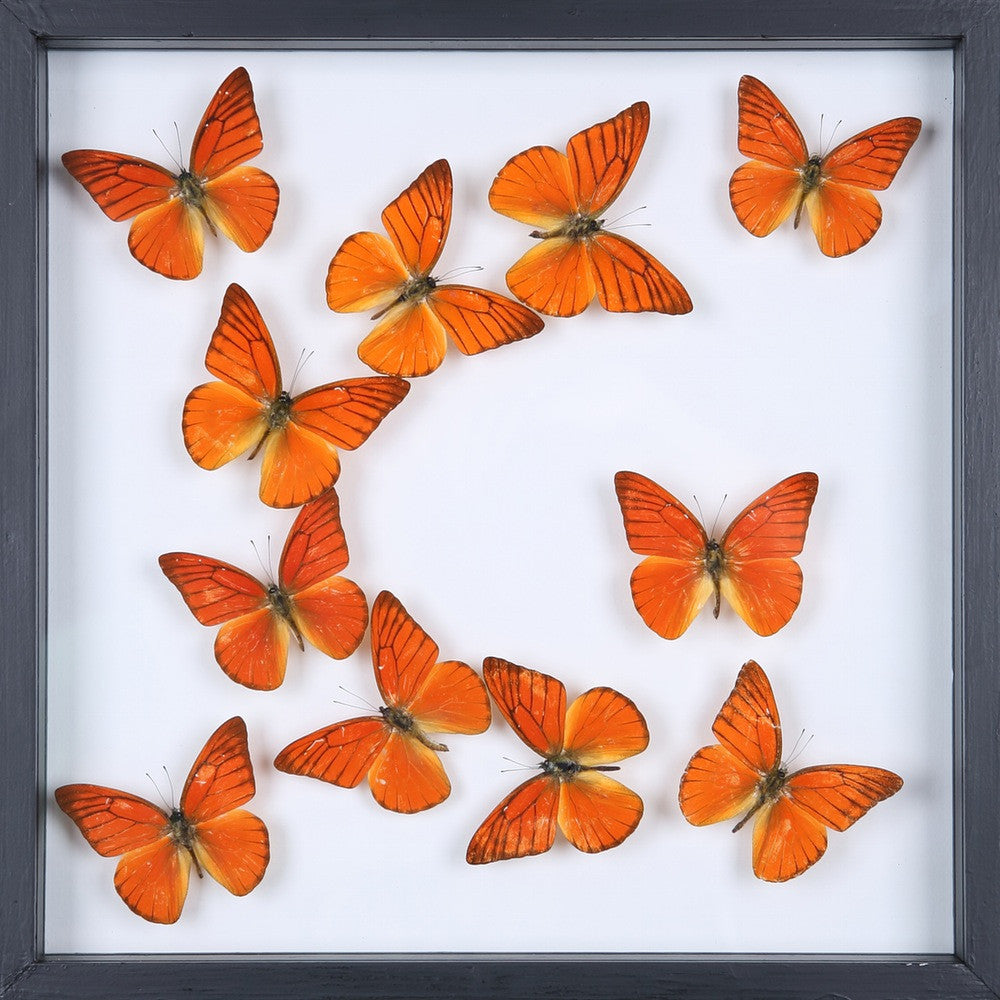
The specimen is then pinned in position and left to dry completely, which can take several weeks.
![Museum Quality Framed Specimens]()
4. Quality Grading
Once dried, specimens are carefully graded based on condition:
A1 Grade (Museum Quality):
- Perfect wing condition with no tears, creases, or missing scales
- Vibrant, unfaded colours
- Complete antennae and all legs present
- Symmetrical positioning
- No visible damage or imperfections
A- Grade (Premium):
- Excellent condition with minimal imperfections
- Strong colours and intact wings
- May have minor scale loss in non-critical areas
- Suitable for most collections and displays
B Grade (Educational):
- Good condition with some visible wear
- Ideal for educational purposes and study
- May have minor wing damage or fading
- Excellent value for schools and nature centres
5. Mounting & Framing
Specimens are mounted using archival-quality materials:
-
Acid-Free Backing: Prevents deterioration over time
-
UV-Protective Glass: Shields from harmful light that causes fading
-
Secure Mounting: Specimens are fixed to prevent movement
-
Professional Framing: Premium frames complement the specimen's natural beauty
The Science Behind Preservation
Proper specimen preservation requires understanding of:
-
Entomology: Knowledge of insect anatomy and taxonomy
-
Chemistry: Understanding how materials interact and age
-
Conservation Science: Techniques to prevent deterioration
-
Environmental Control: Managing humidity, temperature, and light exposure
![Victorian Natural History Collection Display]()
Documentation & Labelling
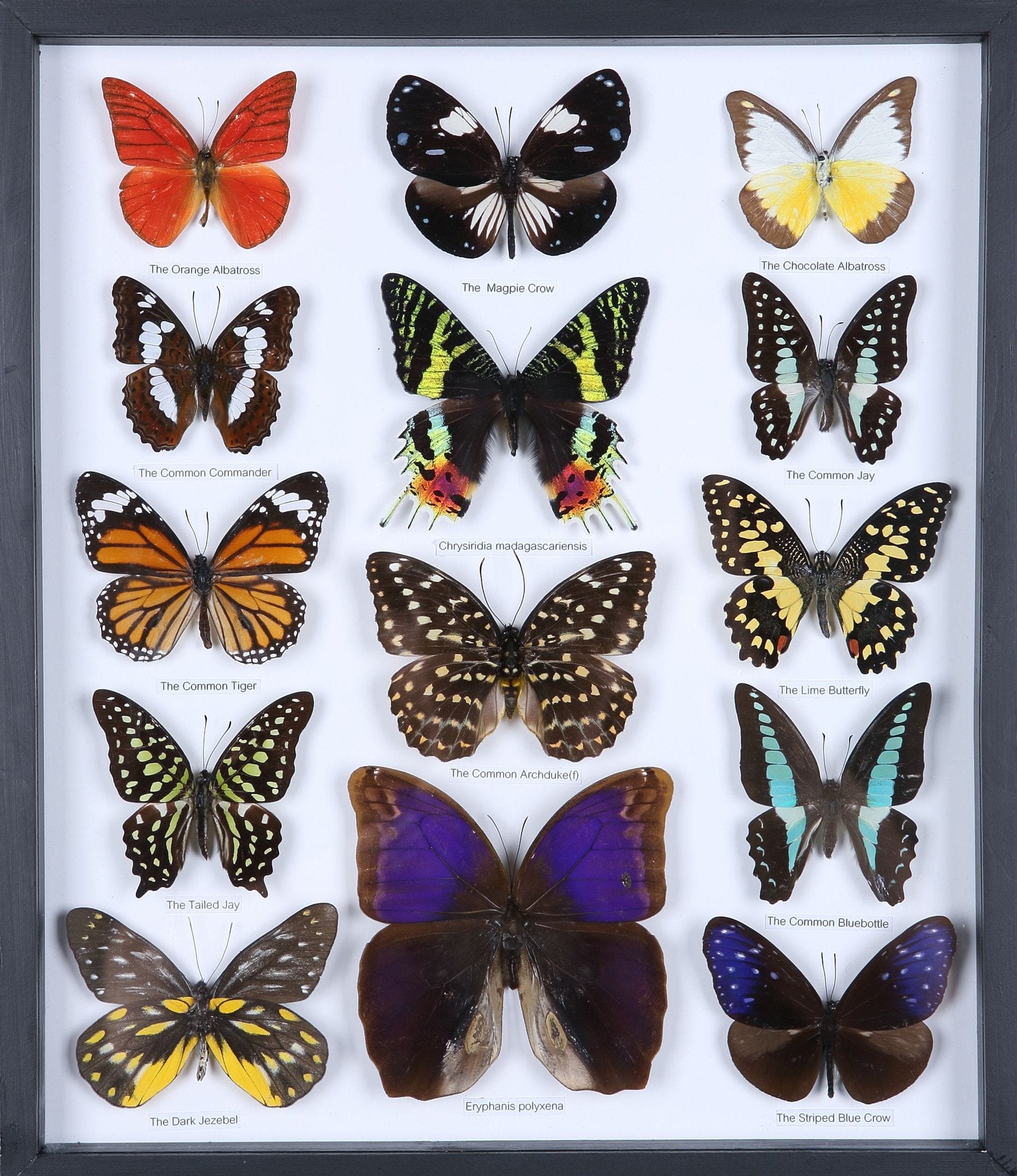
Every museum-quality specimen includes proper documentation:
-
Scientific Name: Genus and species (e.g., Morpho menelaus)
-
Common Name: Accessible identification for non-specialists
-
Origin: Country or region of origin
-
Collection Data: When and where the specimen was collected
-
Size Information: Wingspan or body length measurements
Long-Term Care & Preservation
Properly prepared and framed specimens can last for generations with minimal care:
-
Avoid Direct Sunlight: UV exposure causes fading even with protective glass
-
Control Humidity: Keep in stable, moderate humidity environments
-
Prevent Pest Damage: Sealed frames protect against museum beetles and other pests
-
Handle Carefully: Frames should be moved and hung with care
-
Regular Inspection: Check periodically for any signs of deterioration
The Difference Quality Makes
A museum-quality specimen differs dramatically from amateur preparations:
| Museum Quality |
Amateur Preparation |
| Symmetrical, natural positioning |
Often asymmetrical or unnatural |
| Archival materials used throughout |
May use materials that deteriorate |
| Professional-grade UV protection |
Limited or no UV protection |
| Lasts decades or centuries |
May deteriorate within years |
| Scientifically accurate documentation |
Often lacks proper labelling |
Educational Value
Museum-quality specimens serve important educational purposes:
-
Scientific Study: Accurate reference for species identification and research
-
Classroom Teaching: Engage students with real specimens rather than photos
-
Public Awareness: Inspire appreciation for biodiversity and conservation
-
Artistic Inspiration: Showcase nature's incredible design and beauty
-
Historical Record: Document species and variations for future generations
Why Choose Museum-Quality Specimens?
Investing in properly prepared specimens ensures:
- Lasting beauty that won't fade or deteriorate
- Accurate scientific and educational value
- Ethical sourcing from conservation farms
- Professional presentation worthy of display
- Heirloom quality that can be passed down through generations
Expert preparation. Scientific accuracy. Timeless beauty.
Browse Our Museum-Quality Collection | Learn About Our Specimens