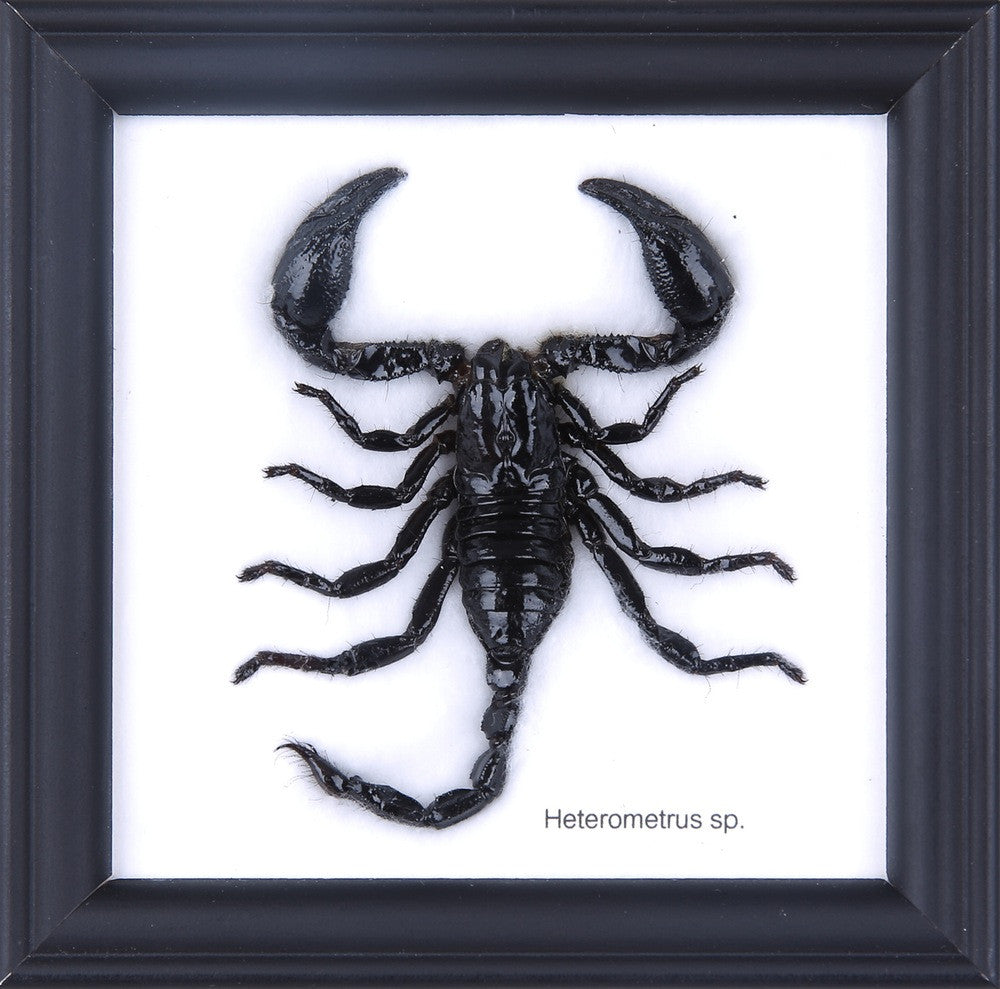
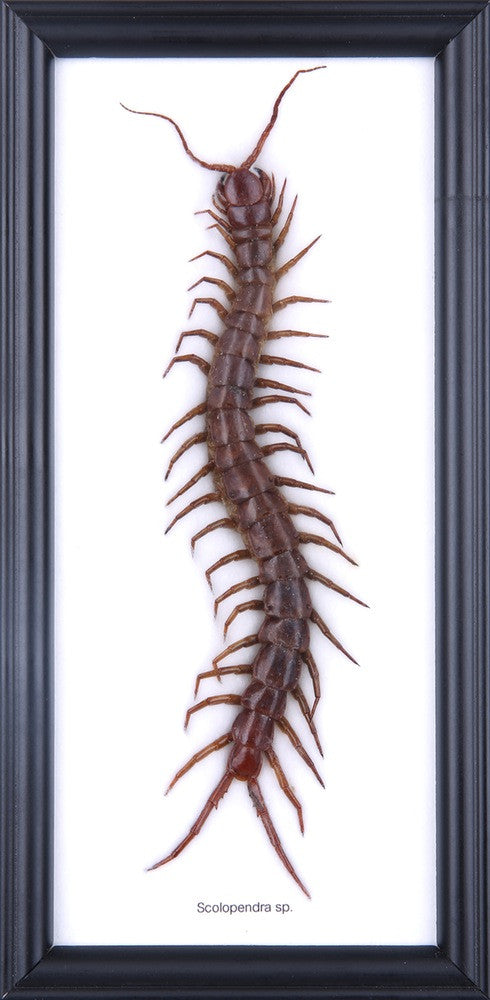
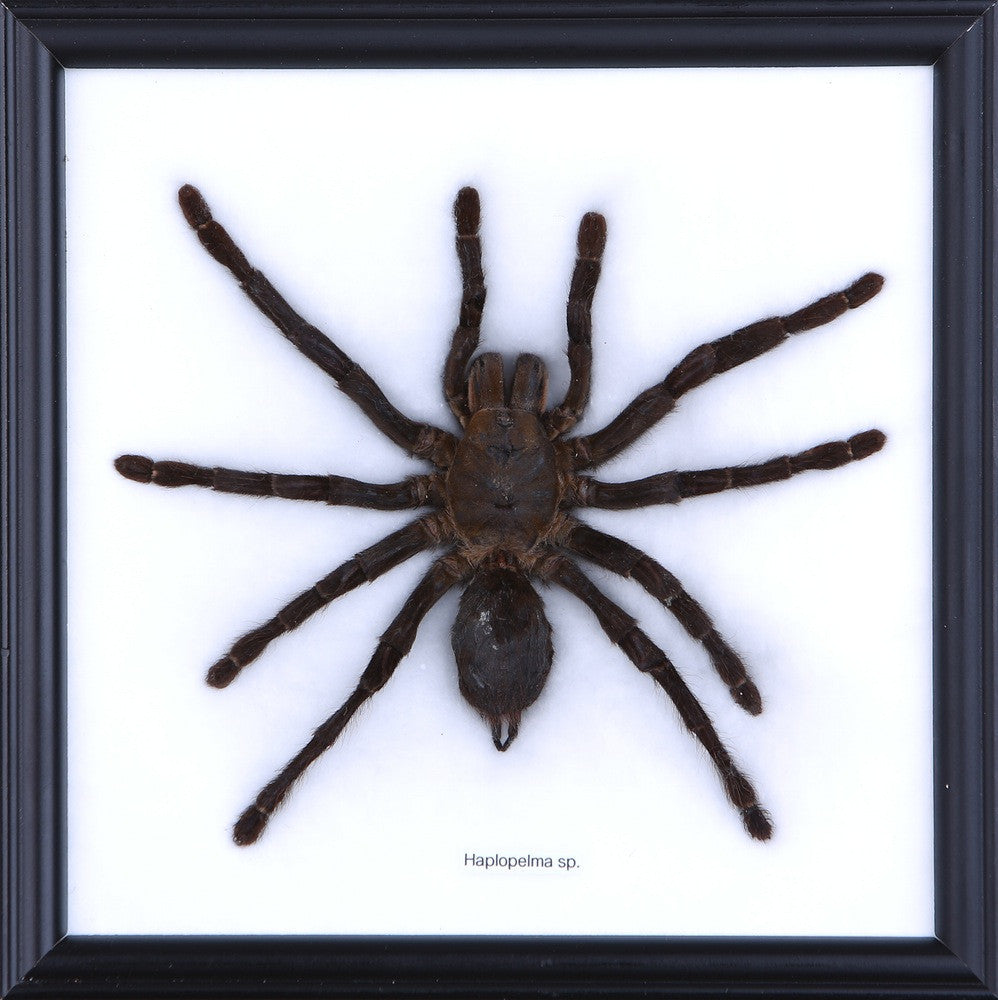
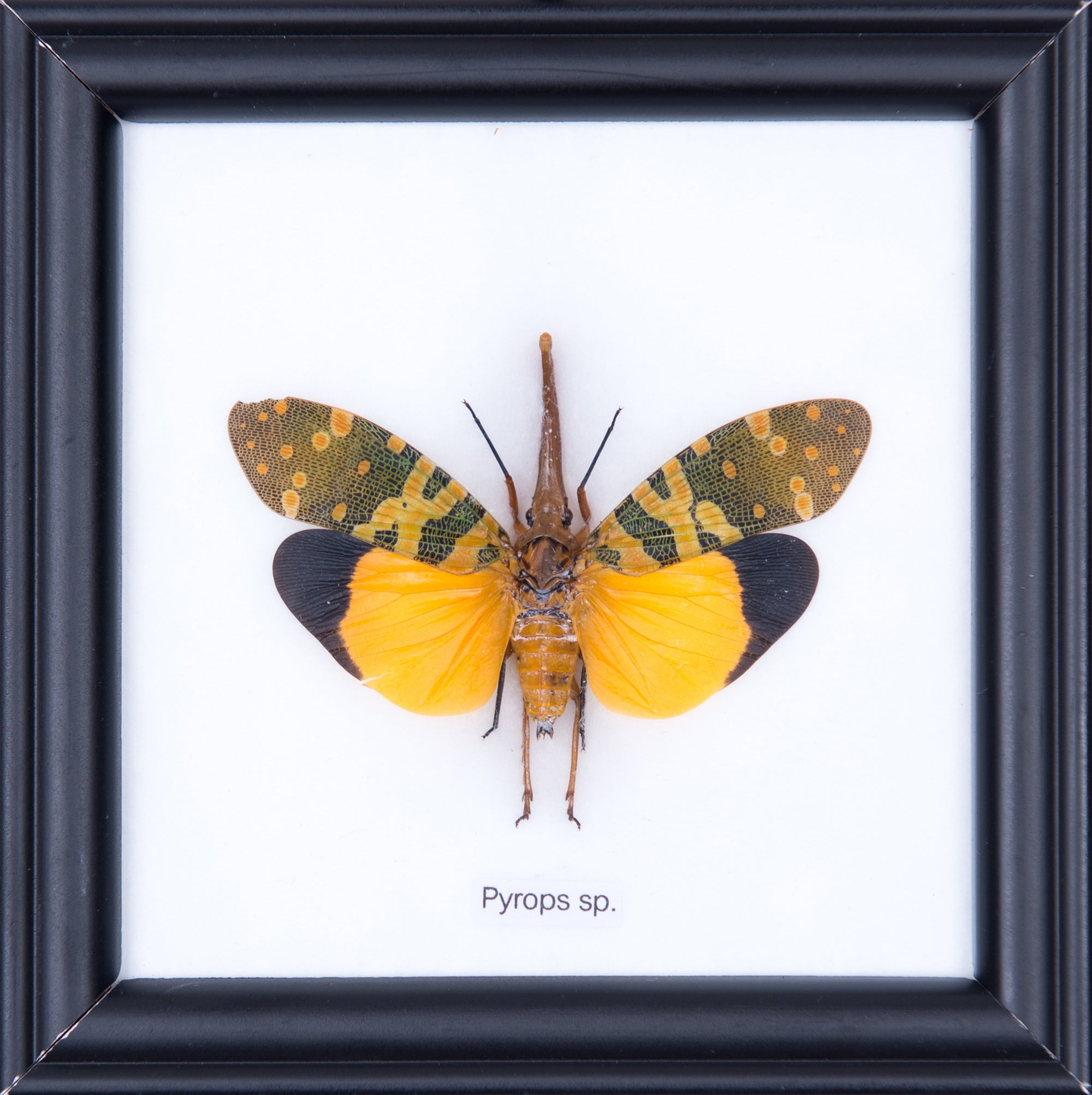
Almost all insects can be pinned for preservation and display, though the specific techniques vary by size, body structure, and fragility. From delicate butterflies to robust beetles, insect pinning is the standard method used by museums, researchers, and collectors worldwide to create lasting natural history specimens.
Insects Commonly Pinned for Display
Lepidoptera (Butterflies and Moths)
The most popular insects for pinning and display:
-
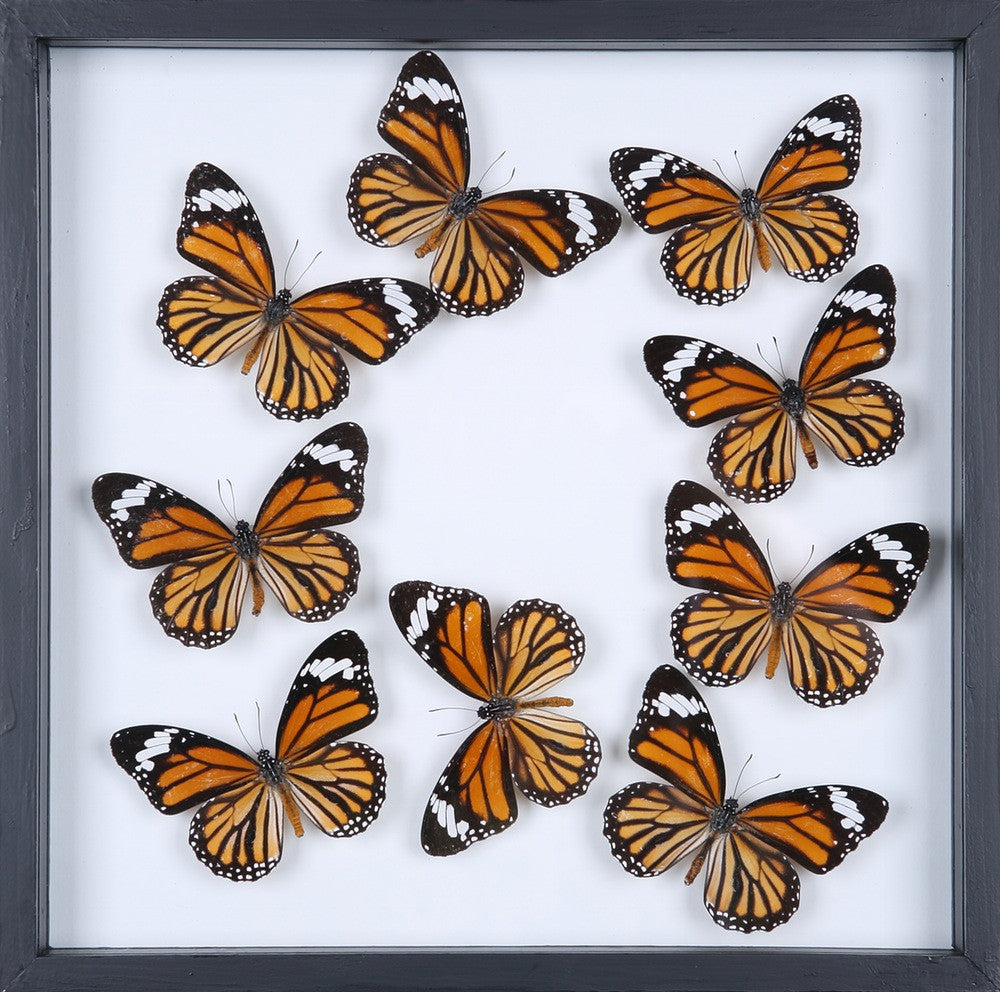
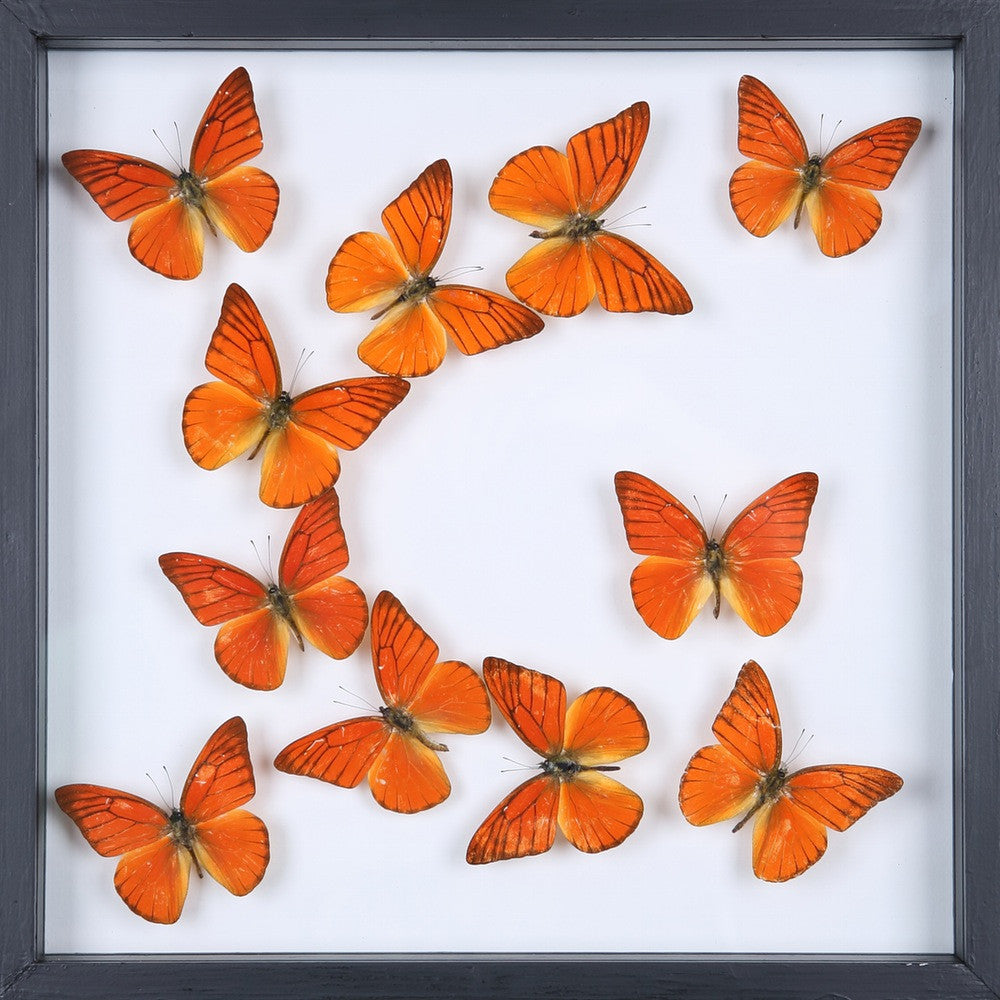
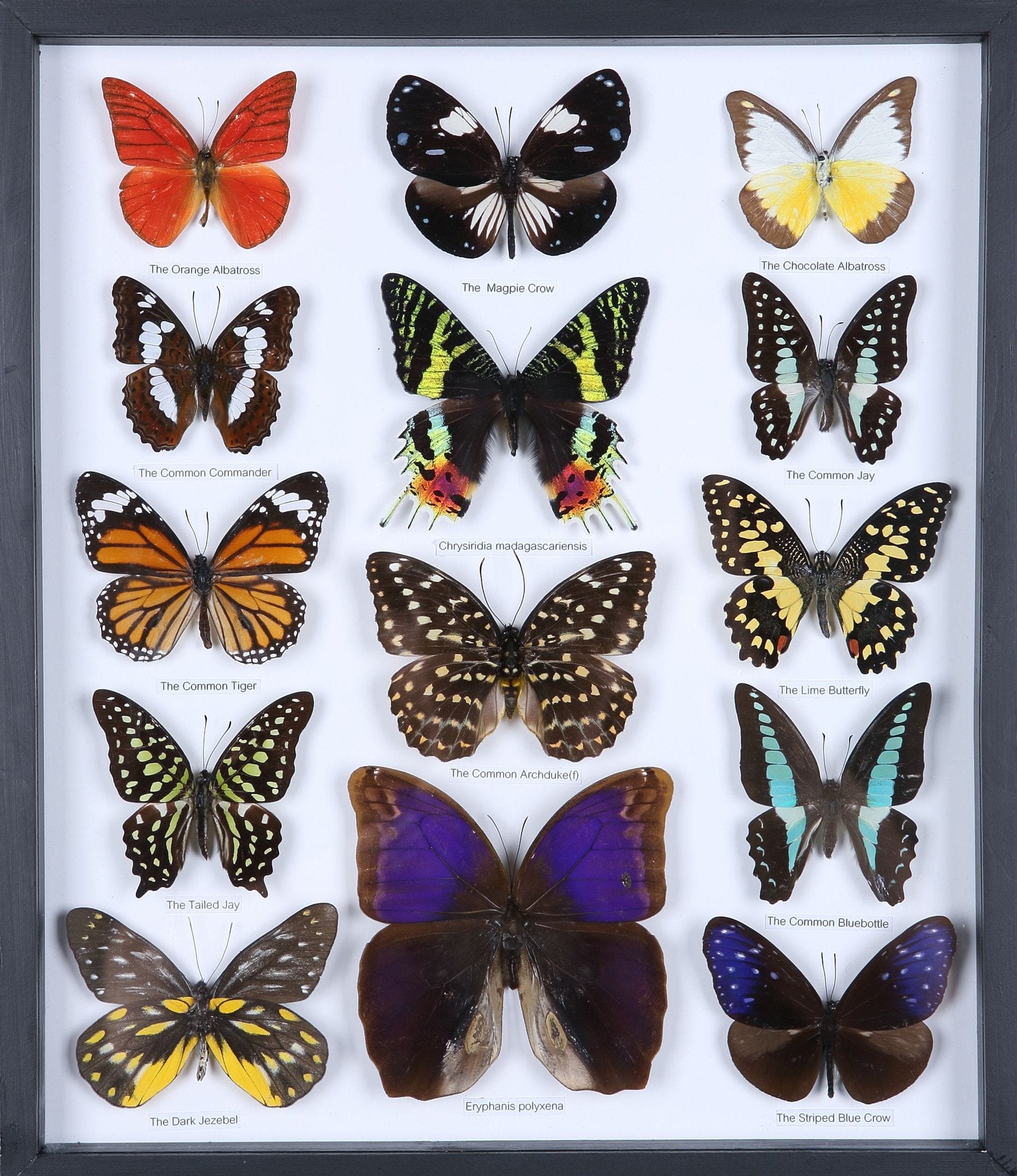
Butterflies: Wings are spread on a spreading board to showcase patterns and colors
-
Moths: Prepared identically to butterflies with wings fully displayed
-
Pinning method: Pin inserted vertically through the thorax center
-
Display appeal: Exceptional—vibrant colors and symmetrical wing patterns
Coleoptera (Beetles)
Beetles are among the easiest insects to pin:
-
Hard exoskeletons make them durable and long-lasting
-
Pinning method: Pin through the right elytron (wing cover)
-
No spreading required: Wings remain folded naturally
-
Varieties: Stag beetles, jewel beetles, scarabs, longhorn beetles
-
Display appeal: Excellent—metallic colors and impressive sizes
Odonata (Dragonflies and Damselflies)
Stunning but delicate specimens:
-
Require careful handling due to fragile wings and long abdomens
-
Pinning method: Pin through the thorax with wings positioned laterally
-
Special care: Abdomen often needs support during drying
-
Display appeal: Outstanding—iridescent bodies and intricate wing venation
Hymenoptera (Bees, Wasps, Ants)
Important for scientific collections:
-
Bees and wasps: Pinned through the thorax
-
Ants: Often too small for direct pinning; mounted on points instead
-
Display appeal: Moderate—best for educational or scientific collections
Orthoptera (Grasshoppers, Crickets, Mantids)
Large-bodied insects suitable for pinning:
-
Grasshoppers and crickets: Pin through the right side of the thorax
-
Praying mantids: Dramatic specimens with extended forelegs
-
Special consideration: Large abdomens may require internal support
-
Display appeal: Good—interesting forms and natural poses
Hemiptera (True Bugs)
Shield bugs, cicadas, and assassin bugs:
-
Pinning method: Through the scutellum (triangular plate)
-
Cicadas: Large, impressive specimens with transparent wings
-
Display appeal: Moderate to good depending on species
Diptera (Flies)
Challenging due to small size:
-
Larger flies: Can be pinned directly through the thorax
-
Smaller flies: Mounted on points or minuten pins
-
Display appeal: Limited—primarily for scientific study
Pinning Techniques by Insect Type
Direct Pinning
Used for medium to large insects (10mm+):
- Standard insect pins (sizes 0-3) inserted through the body
- Pin placement varies by insect order
- Specimen positioned at consistent height on pin
Point Mounting
For small insects (under 10mm):
- Tiny insects glued to triangular card points
- Pin goes through the point, not the insect
- Common for small beetles, ants, and parasitic wasps
Spreading
Specifically for butterflies, moths, and some dragonflies:
- Wings positioned symmetrically on spreading boards
- Held in place with pins and paper strips during drying
- Creates museum-quality display specimens
Insects Best Suited for Display Collections
Top Choices for Visual Impact
-
Morpho butterflies: Brilliant blue iridescence
-
Atlas moths: Massive wingspan and intricate patterns
-
Goliath beetles: Impressive size and bold markings
-
Birdwing butterflies: Large, colorful, and dramatic
-
Jewel beetles: Metallic colors that never fade
-
Emperor dragonflies: Vibrant colors and elegant form
-
Orchid mantids: Exotic appearance and unique shape
Best for Beginners
-
Large butterflies: Easier to handle and spread
-
Robust beetles: Durable and forgiving
-
Common moths: Readily available and good practice specimens
Insects Difficult to Pin
Some insects present challenges:
-
Very small insects: Require specialized micro-pinning techniques
-
Soft-bodied larvae: Need preservation in alcohol, not pinning
-
Aphids and scale insects: Too delicate for traditional pinning
-
Aquatic nymphs: Better preserved in fluid
Essential Pinning Supplies
-
Insect pins: Sizes 0-3 for different insect sizes
-
Spreading board: For butterflies and moths
-
Pinning block: Ensures consistent specimen height
-
Forceps and tweezers: For delicate handling
-
Relaxing chamber: To soften dried specimens
-
Display cases: Riker mounts, shadow boxes, or Schmitt boxes
-
Labels: For species identification and data
Ethical Considerations
When building an insect collection, always:
- Source from ethical suppliers and conservation farms
- Avoid endangered or protected species
- Never collect from sensitive habitats without permits
- Support sustainable breeding programs
- Verify legal documentation for regulated species
Ready-to-Display Pinned Specimens
Professional insect preparation requires skill, patience, and proper materials. Our collection features museum-quality pinned specimens prepared by expert entomologists, including butterflies, beetles, moths, and other spectacular insects—all ethically sourced and ready for display.
Explore Our Pinned Insect Collection