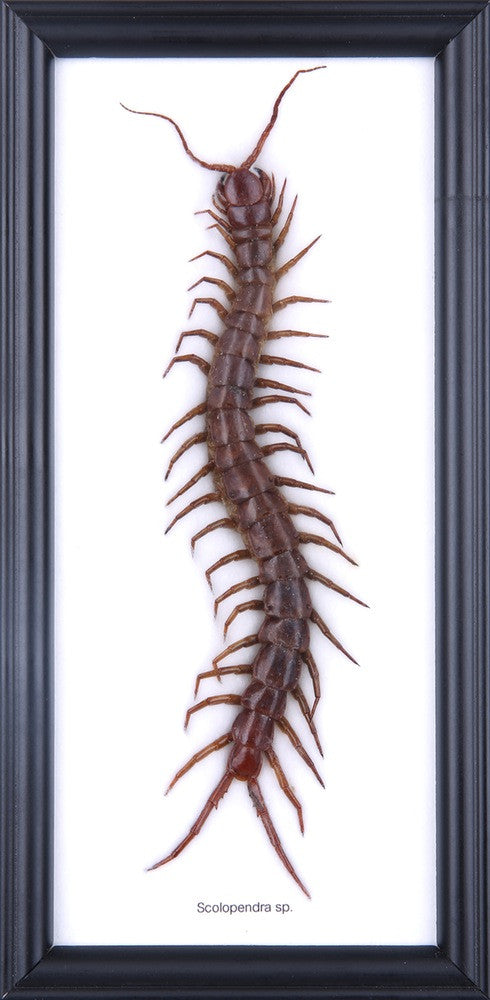
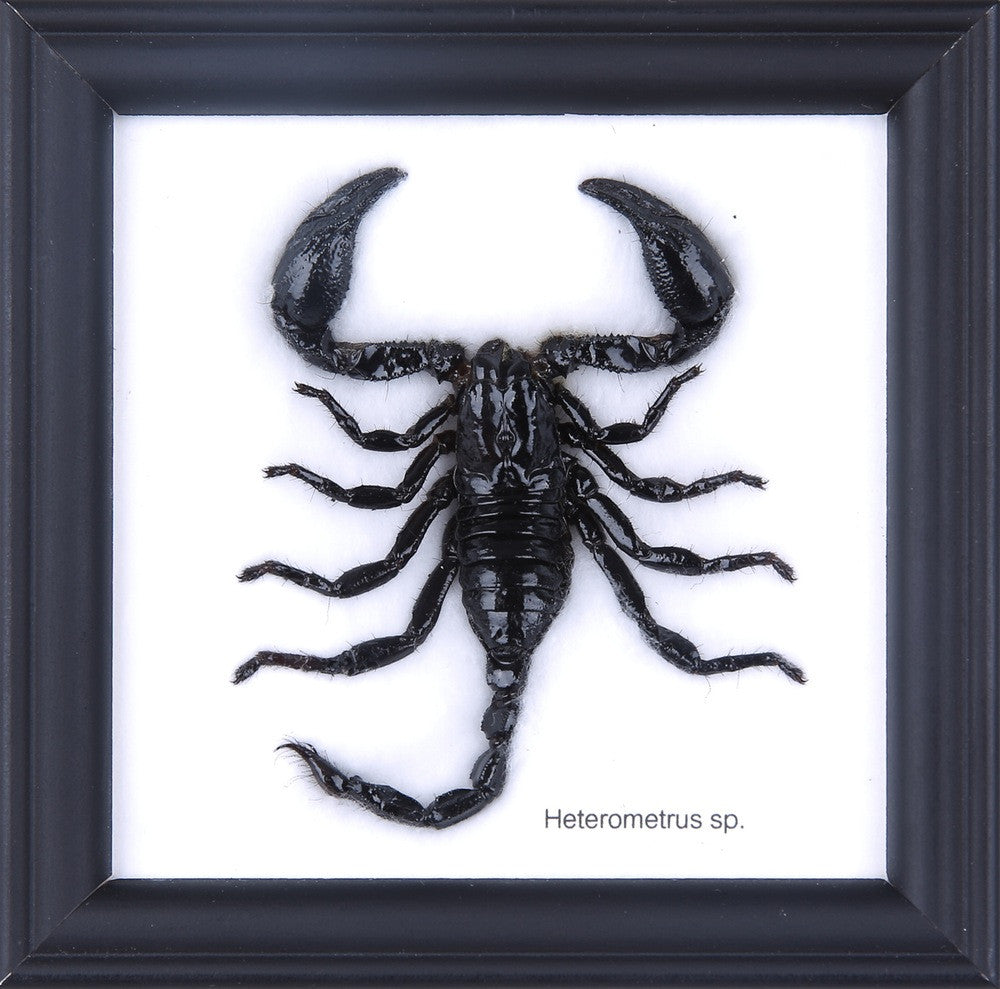
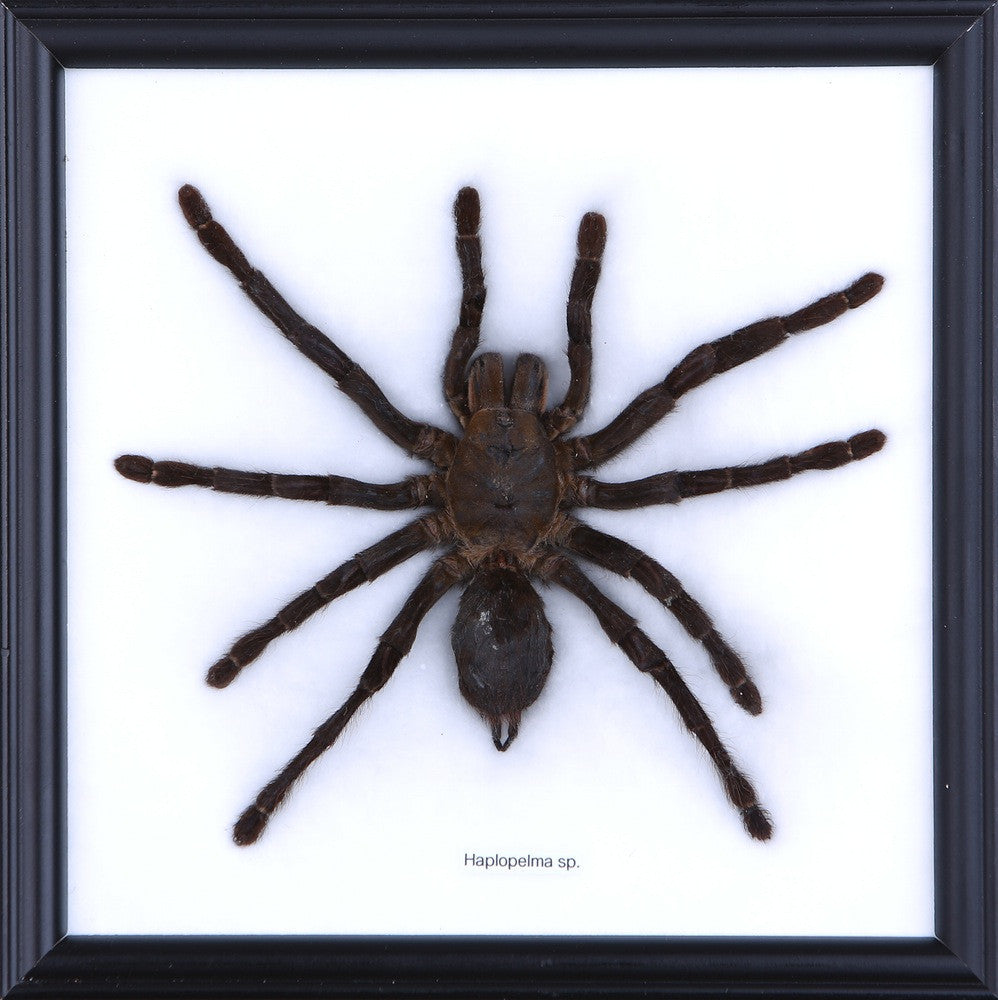
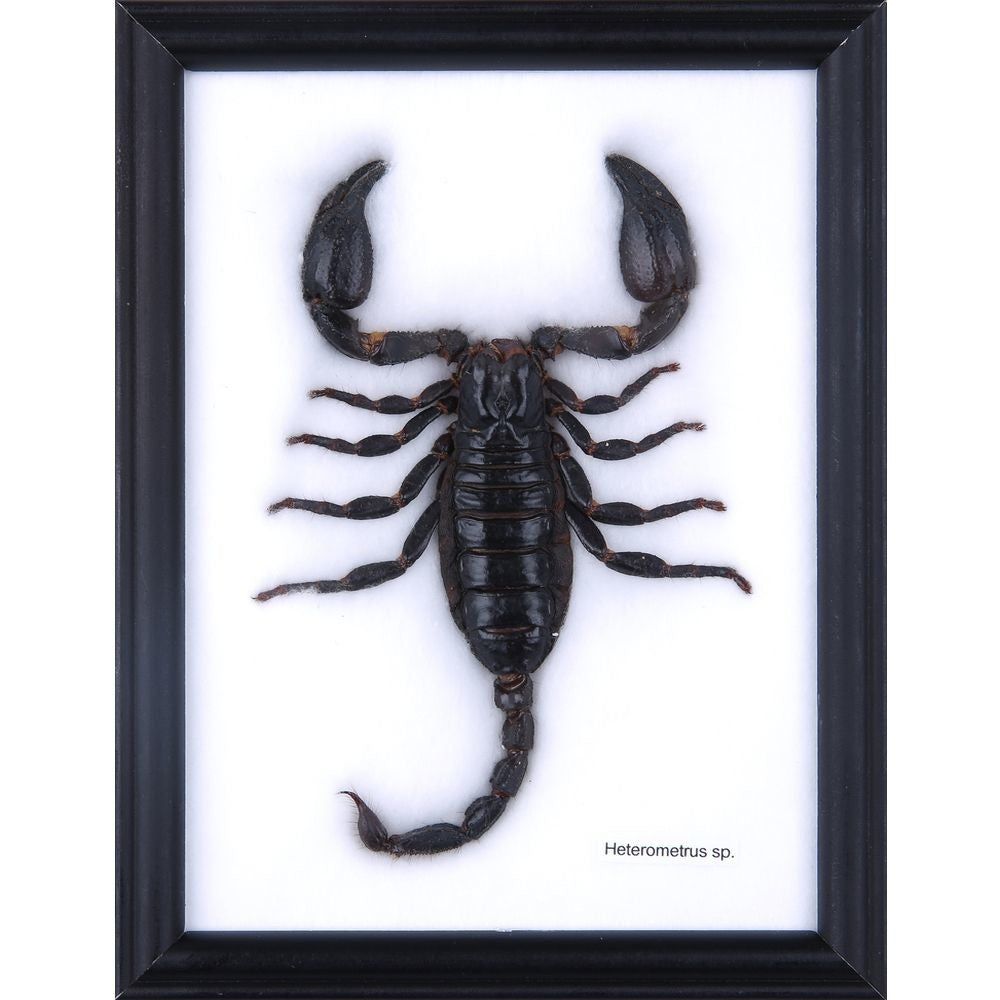
Properly preserved and stored pinned insects will not decay in the traditional sense—they can last for decades, centuries, or even indefinitely. Museum collections contain specimens over 200 years old that remain in excellent condition. However, pinned insects do face specific threats that can cause deterioration if not properly managed, including pest damage, mold, color fading, and physical breakdown.
Why Pinned Insects Don't Decay Like Other Organisms
The Exoskeleton Advantage
Insects have a chitinous exoskeleton that is naturally resistant to decomposition:
-
Chitin is extremely durable: This biological polymer resists bacterial and fungal breakdown
-
No soft tissues exposed: Internal organs dry out completely during preservation
-
Low moisture content: Properly dried specimens contain minimal water to support microbial growth
-
Natural preservation: The exoskeleton essentially mummifies the insect
Museum Evidence
Natural history museums worldwide maintain insect collections dating back to the 1700s and 1800s. These centuries-old specimens remain scientifically valuable and visually intact, proving that proper preservation creates essentially permanent specimens.
What Can Cause Deterioration
While pinned insects don't decay, they face other threats:
1. Pest Damage (The Primary Threat)
Dermestid beetles (carpet beetles) and clothes moths are the greatest danger to insect collections:
- Their larvae feed on dried insect specimens
- Can destroy entire collections if left unchecked
- Leave behind frass (insect droppings) and damaged specimens
- Particularly attracted to poorly sealed collections
Prevention:
- Store specimens in tightly sealed cases or frames
- Use paradichlorobenzene or naphthalene (mothballs) in storage boxes
- Inspect collections regularly for signs of infestation
- Freeze infested specimens at -20°C for 72 hours to kill pests
- Keep storage areas clean and dust-free
2. Mold and Fungal Growth
High humidity can cause mold to grow on specimens:
- Appears as white, fuzzy growth on body or wings
- Damages specimen structure and appearance
- Most common in tropical or humid climates
- Can spread rapidly through collections
Prevention:
- Maintain relative humidity below 50-60%
- Use silica gel packets in storage containers
- Ensure specimens are completely dry before storage
- Provide adequate air circulation
- Store in climate-controlled environments
3. Color Fading
Light exposure causes pigment-based colors to fade:
- UV radiation is particularly damaging
- Reds, yellows, and greens fade fastest
- Blues and blacks are more stable
- Structural colors (iridescence) never fade
Prevention:
- Display away from direct sunlight
- Use UV-protective glass in frames
- Store in dark or low-light conditions when not displayed
- Rotate displayed specimens periodically
- Consider LED lighting with minimal UV output
4. Physical Breakdown
Mechanical damage from handling or environmental stress:
- Antennae and legs can become brittle and break
- Wings may crack or tear if specimens are moved roughly
- Extreme temperature fluctuations cause expansion/contraction
- Very old specimens become increasingly fragile
Prevention:
- Minimize handling of specimens
- Maintain stable temperature (avoid fluctuations)
- Support delicate parts during any movement
- Use proper storage containers that prevent shifting
5. Grease Staining
Oil migration in some large-bodied insects:
- Internal fats can seep through body wall over time
- Creates dark, greasy stains on paper or labels
- Most common in large beetles and grasshoppers
- Doesn't destroy specimen but affects appearance
Prevention:
- Properly eviscerate large-bodied specimens during preparation
- Use absorbent materials beneath specimens
- Replace stained backing materials as needed
Lifespan by Insect Type
Indefinite Lifespan (With Proper Care)
-
Beetles: Hard exoskeletons make them extremely durable; can last centuries
-
True bugs: Similar durability to beetles
-
Cicadas: Robust bodies preserve well indefinitely
Very Long Lifespan (100+ Years)
-
Butterflies and moths: Delicate but can last centuries with care
-
Dragonflies: Fragile but stable once properly dried
-
Grasshoppers and mantids: Large bodies well-preserved
Considerations for Longevity
-
Preparation quality: Properly dried specimens last longer
-
Storage conditions: Climate control is critical
-
Pest management: The single most important factor
-
Handling frequency: Less handling = longer lifespan
Optimal Storage Conditions
Temperature
- Ideal: 18-22°C (64-72°F)
- Avoid fluctuations greater than 5°C
- Cooler is generally better (slows any degradation)
- Avoid freezing unless treating for pests
Humidity
- Ideal: 40-50% relative humidity
- Below 30%: specimens become brittle
- Above 60%: mold risk increases significantly
- Use hygrometers to monitor levels
Light
- Store in darkness when possible
- Display under low-UV lighting
- Limit light exposure to 50-150 lux for displayed specimens
- Use UV-filtering glass or acrylic
Air Quality
- Good ventilation prevents mold
- Avoid pollutants and chemical fumes
- Keep storage areas clean and dust-free
- Use sealed containers for long-term storage
Signs Your Specimens Need Attention
Regular inspection helps catch problems early:
Immediate Action Required
-
Live pests or larvae: Freeze entire collection immediately
-
Frass (insect droppings): Indicates active pest infestation
-
Mold growth: Isolate affected specimens and reduce humidity
-
Specimen collapse: May indicate internal decay or pest damage
Preventive Maintenance Needed
-
Fading colors: Reduce light exposure
-
Brittle antennae or legs: Increase humidity slightly or reduce handling
-
Dust accumulation: Clean storage area and seal containers better
-
Grease stains: Replace backing materials
Comparing Preservation Methods
Pinned and Dried (Standard Method)
-
Lifespan: Indefinite with proper care
-
Pros: Natural appearance, easy display, minimal maintenance
-
Cons: Requires pest management, some color fading possible
Alcohol Preservation (Wet Collections)
-
Lifespan: Indefinite if alcohol maintained
-
Pros: No pest issues, preserves soft tissues
-
Cons: Colors fade completely, not suitable for display, requires alcohol maintenance
Resin Embedding
-
Lifespan: Very long (decades to centuries)
-
Pros: Complete protection, no pest issues, durable
-
Cons: Cannot be studied scientifically, colors may change, expensive
Museum-Quality Preservation Standards
Professional collections follow strict protocols:
- Climate-controlled storage facilities
- Regular pest monitoring and treatment
- Archival-quality materials (acid-free papers, stainless pins)
- Detailed documentation and labeling
- Minimal handling with proper techniques
- Sealed storage in specialized cabinets
The Bottom Line
Pinned insects do not decay in the traditional biological sense. With proper care, they can last:
-
Decades: With basic care (sealed frame, moderate conditions)
-
Centuries: With museum-quality storage and pest management
-
Indefinitely: Under optimal conditions with active preservation
The primary threats are pests, mold, and light damage—all preventable with proper storage and care. The specimens themselves are inherently stable and non-perishable.
Professionally Preserved Specimens
Our collection features museum-quality specimens prepared using archival methods and materials designed for maximum longevity. Each insect is properly dried, mounted with stainless steel pins, and ready for long-term display. With basic care, these specimens will remain beautiful for generations.
Explore Our Lasting Collection