Straight to your door
Enjoy 15% off specimens in our Halloween Sale collection with code HALLOWEEN15 at checkout!

Turnix suscitator (Barred Buttonquail) – A museum-quality bird skeleton specimen in A1 condition, expertly dry-preserved and unmounted, ideal for natural history collectors, ornithologists, educators, and artists.
Turnix suscitator is one of the most widespread buttonquails in Asia, distributed from India and Sri Lanka through Southeast Asia to southern China, the Philippines, and the Indonesian archipelago. Despite their quail-like appearance, buttonquails are not true quails — they belong to the order Charadriiformes, more closely related to waders and gulls than to the gamebirds they superficially resemble, making them a remarkable example of convergent evolution. Among the most biologically unusual birds in Asia, buttonquails are polyandrous — females are larger, more brightly coloured, and compete for territories, while males incubate the eggs and raise the chicks alone. The turnicid skeleton is anatomically distinctive — notably lacking a hind toe (hallux), a unique feature among ground-dwelling birds that is clearly visible in this specimen, alongside the compact, robust body frame and short, powerful legs adapted for life in dense grassland. A scientifically exceptional and deeply fascinating addition to any serious natural history collection or ornithological study.
Perfect for ornithologists, naturalists, natural history collectors, educators, artists, and interior designers seeking authentic specimens with genuine scientific and aesthetic value.
$97.00 NZD
| /


I’ve probably ordered jewel beetle elytra from at least 15 different companies by now so when it comes to quality elytra I know my stuff and the quality that I just received from ArtButterflies is truly excellent. I would say that the average size from the 1,000 elytra package that I received is slightly larger than average, it’s a good mix of sizes. The shipping was also prompt considering that they are located in the UK and I live in Michigan. It took exactly 10 days to receive my order. If I ever need more jewel beetle elytra I will definitely buy from ArtButterflies again. Thank you!
Beautiful, and cute. Was packaged well!
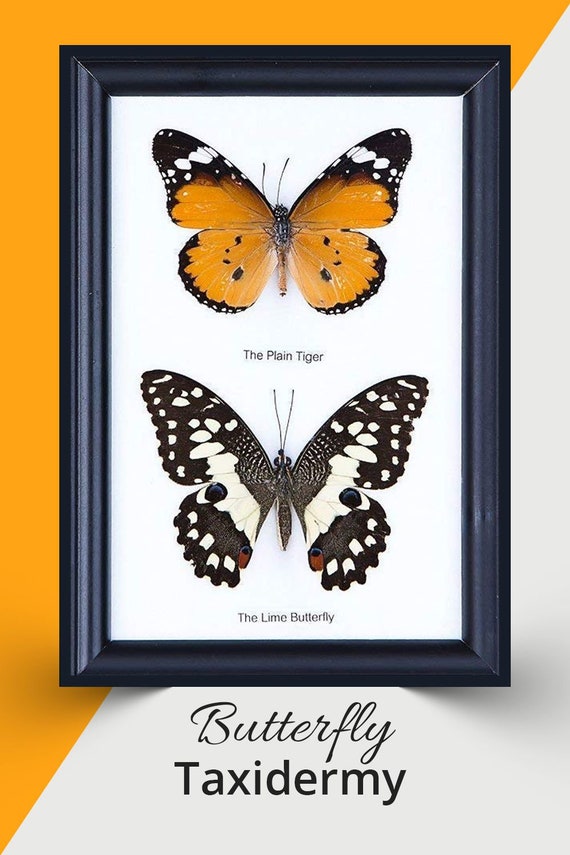
I was kinda bummed out that I got all beetles instead of the mixed specimens I ordered so I messaged the seller and they are making it right. Ill definitely be coming back to this seller in the near future 😁
Great specimens as always!!! My favorite local supplier
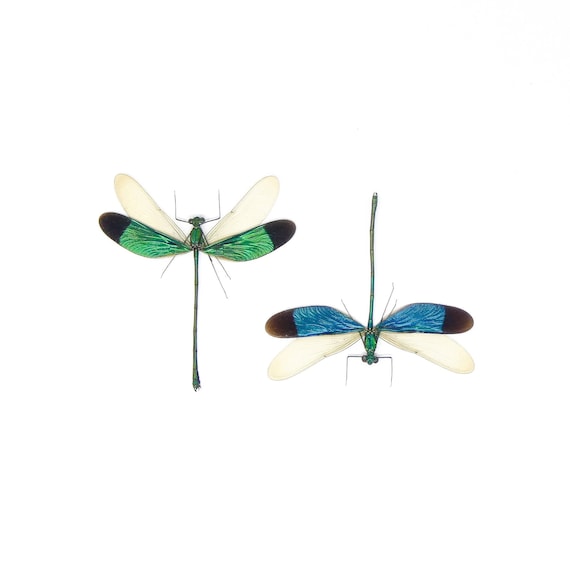
Beautiful piece!
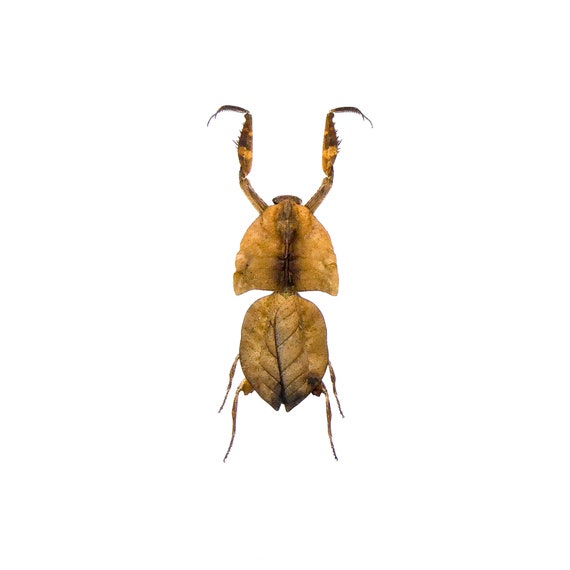

Excellent product as always - will order again!
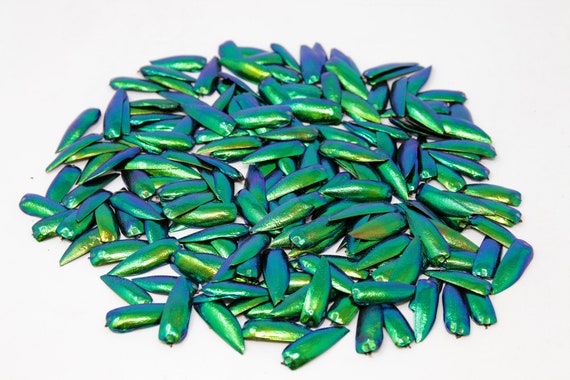
Excellent product as always - will order again!
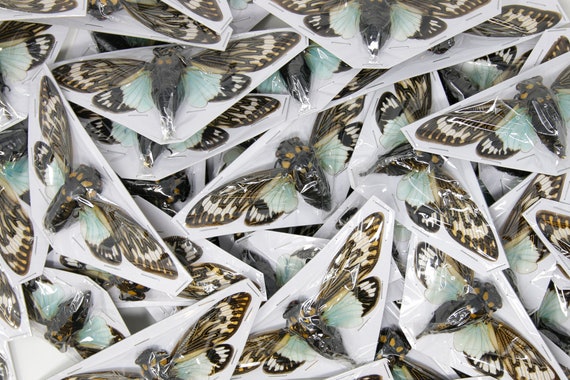
Beautiful wings, super fast shipping. Thank you!
Have a little issue with my order but was very quickly resolved. Highly recommend and will 100% be ordering again. Thank you so much
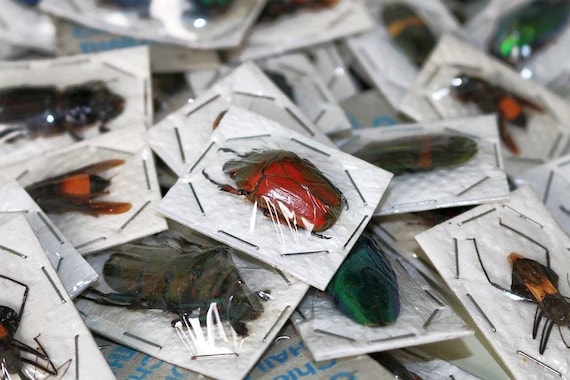
Great specimen but looks like some weighted object was used to flatten the centipede prior to drying, would like to see a thicker specimen hitting the shelves guys
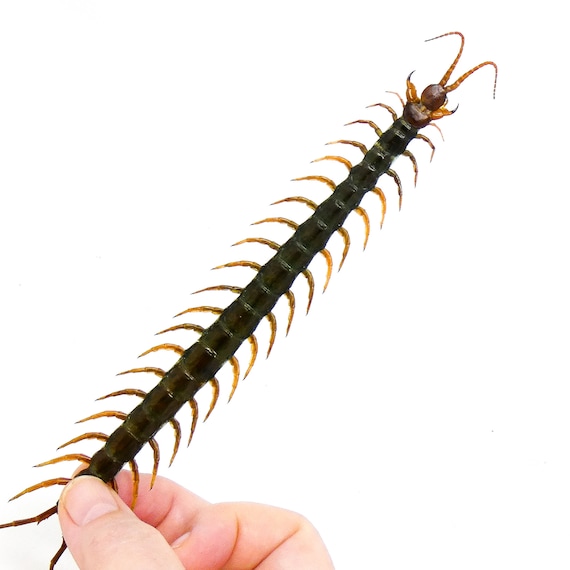

Llegaron perfectas!
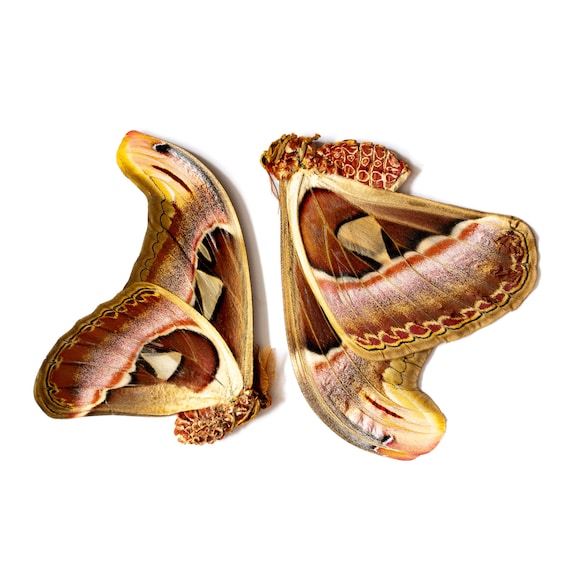
Thank you for the quick delay and wonderful selection of insects.
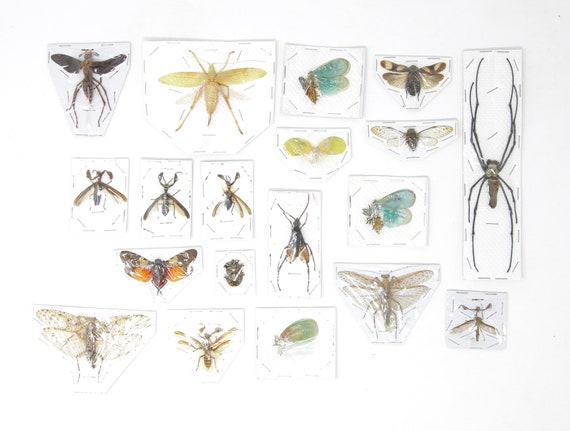
Amazing seller great packaging! Would definitely do business again.

Specimens arrived in good condition and quickly

I've ordered from this company many times, always great communication and quality. This time there was an issue with the package being opened and tampered with while in transit (no fault to the shop). Joseph quickly made things right and offered to re-ship the missing items.
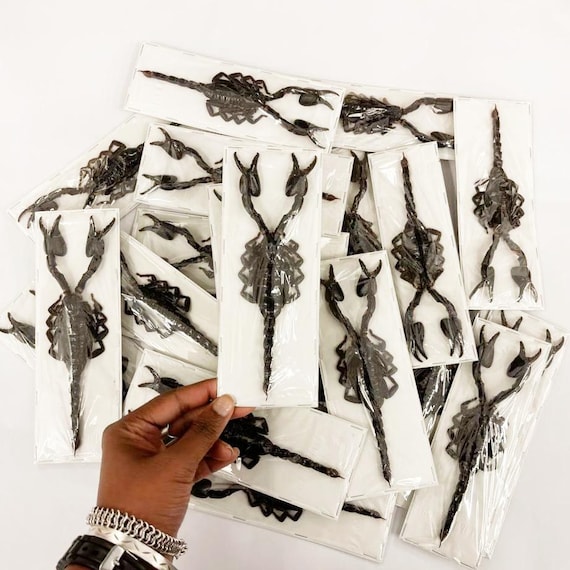
The beetles are beautiful and well preserved, I can’t wait to pin these!
Delivered quickly and arrived in peistine condition. Highly recommended

the 2 arrived in perfect shape! I love them so much they are beautiful, delivery was very nice and packaging was great! would buy again!
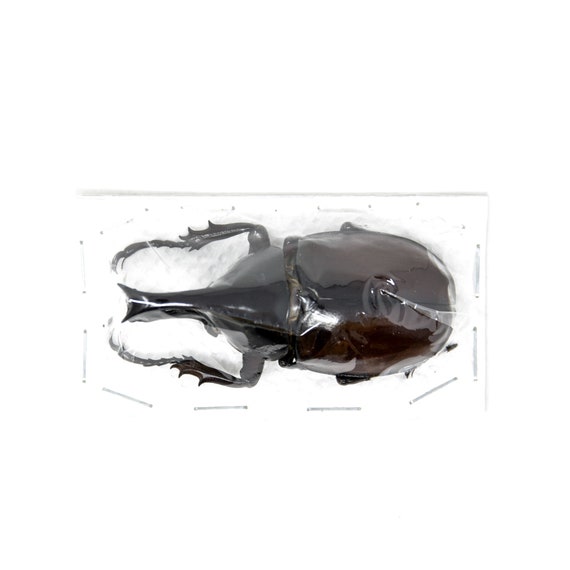

Good size, well padded in the frame ,nice placement .
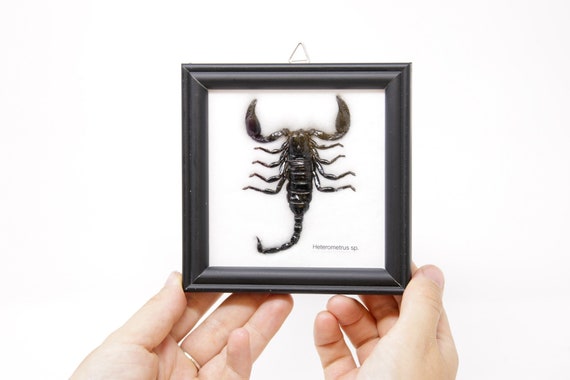
Perfect specimens. Very well packaged. Thank you!

Beautiful cicadas. Every specimen perfect. Thank you!

Perfect specimens. Good variety. Thank you!

Perfect specimens as always. Thank you!


So pretty and delicate — thank you
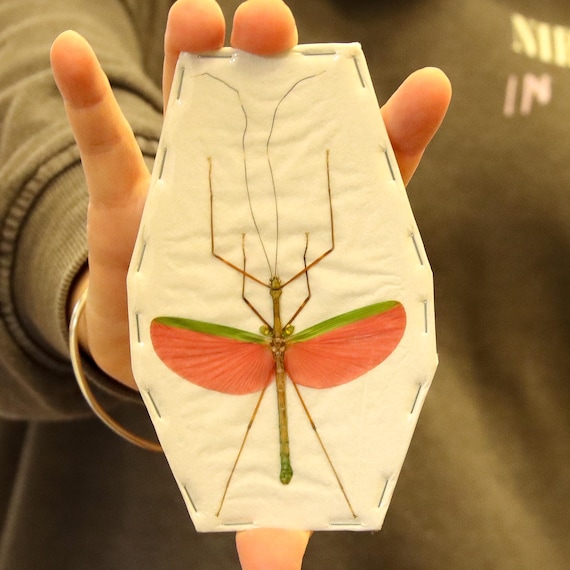
Great pieces. Very happy. Fast Shipping.
EXTRA 5% OFF
For first time customers (use code : FIRST5)


