Få pakken din hvor som helst!
Velkommen til BugsDirect Ltd. Ledende leverandør av entomologiske prøver verden over (detalj-/engros)


Eutropis multifasciata (Many-lined Sun Skink) – A museum-quality lizard skull specimen in A1 condition, expertly dry-preserved and unmounted, ideal for natural history collectors, herpetologists, educators, and artists.
Eutropis multifasciata is one of the largest and most widespread skinks in Southeast Asia — distributed from India and southern China through the Malay Peninsula, the Indonesian archipelago, and the Philippines, where it is a familiar, sun-basking inhabitant of forest edge, gardens, and open ground. The specific epithet multifasciata means ‘many-banded’, referring to the species’ characteristic lateral striping. A robust, diurnal omnivore, it feeds on invertebrates, small vertebrates, and fruit, and is notable for its viviparous reproduction — giving birth to live young rather than laying eggs, an unusual trait among lizards that reflects a significant evolutionary shift in reproductive strategy. The scincid skull is a robust and well-ossified example of lizard cranial osteology — distinctly different from the agamid skull in its pleurodont dentition — teeth set in shallow sockets along the inner jaw margin — a broad, heavily reinforced temporal region, and a compact, powerfully built overall structure adapted for processing hard-bodied prey — all clearly preserved in this specimen. A precise, scientifically instructive, and comparatively valuable addition to any serious natural history collection or herpetological study.
Perfect for herpetologists, naturalists, natural history collectors, educators, artists, and interior designers seeking authentic specimens with genuine scientific and aesthetic value.
£24.99 GBP
| /


Wow, such stunning beetles, amazing vibrant colours!
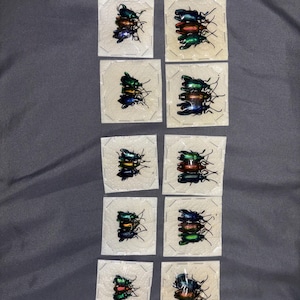
WHOLESALE 30 Colorful Frog Beetles | Sagra long...

As described arrived on time.

Ostrich Egg XL Top Grade, Natural History Art, ...
Perfect, matched description. Happy with my purchase

25 Loose Butterfly Wings A1 SPECIAL OFFER PRICE...

excellent lovely variety well packaged thanks

Mixed Pack of Insect Specimens | Assorted Unmou...

Great specimens as always, well packaged and in good condition.
Lot of 40 Giant Atlas Moths (Attacus atlas) A1/...
Always a perfect specimen sent

TWO (2) SPREAD Trichogomphus simson A1 Wings-open
Nice solid bug to work with

WHOLESALE 10 Clear-Wing Cicadas | Various Assor...
Perfectly spread. High quality. Great packaging

TWO (2) SPREAD Trichogomphus lunicollis alcides...
Perfect every time. Great quality

TWO (2) SPREAD Agestrata augusta A1 Wings-open
Always great quality! Will order again

5 x Draco volans volans Flying Lizard | A1 Qual...
Very solid and easyvto work with

25 x Bat wing Cicadas (Cryptotympana aquila), A...
Very impressive specimen. Nicely done
TWO (2) SPREAD Hexarthrius parryi A1 Wings-open
Everything as I hoped for, gratis item
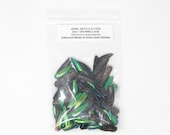
Jewel Beetle Elytra | Sternocera aequisignata |...
As described. Thank you so much!
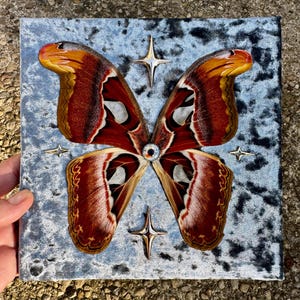
10 Atlas Moth Wings | Attacus atlas | Loose Ass...

Thank you! Beautiful bug specimens

Pack of 10 Jewel Bugs (Calliphara caesar) Indon...
Lovely dragon flies and all intact!

20 x Various Assorted Damselflies, A1 Spread En...
Great price and good quality too

Pack of 10 Giant Leaf Insects (Phyllium celebic...

Dispatched quickly, packaged securely and just as described, would highly recommend!

TWO (2) BLUE CICADAS Large Spread-Specimens A1 ...

Amazing specimens and at a great price. I love these bugs!
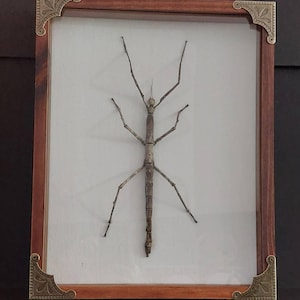
Pack of 10 Giant Asian Stick Bugs, Winged Stick...

Exactly as described. I like the boxes, great for making art.

DAMAGED BUTTERFLIES as seen in photo. Broken sp...
Very high quality with great customer service.

TWO (2) Morpho didius Giant Blue Butterflies Un...
Excellent quality. Arrived on time.
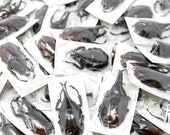
WHOLESALE 20 Thai Rhino Beetles | Xylotrupes gi...
Excellent quality and customer service as always.

50 x Java Blue Forest Scorpions (Javanimetrus c...
packaged safely and exactly as described and expected
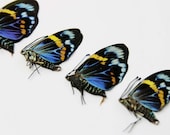
2 x Blue Day-flying Moths | Eterusia repleta | ...
It arrived right on the date indicated, even in 👉🏽🇲🇽 Excellent quality
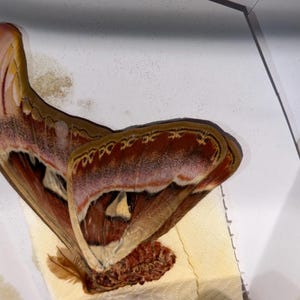
Giant Atlas Moth PAIRS (Attacus atlas) A1 Unmou...
EKSTRA 5 % RABATT
For førstegangskunder (bruk kode: FIRST5)


