Get your package anywhere!
Welcome to BugsDirect Ltd. Leading Suppliers of Worldwide Entomology Specimens (Retail/Wholesale)
Who Thinks of Insects As Heavy?
When one thinks of insects we think large or small, creepy or crawly but rarely, if ever do we think, “I wonder how much that bug weighs”? Well, let’s take a look at a couple.
One bug that certainly tops the list would be the giant Weta found in New Zealand and large enough to dine on carrots. This cricket character can weigh over 2.5 ounces (71 grams) and is over one-half foot long. The female crickets are larger than the male which is about half the size. They are only found in protected areas of New Zealand such as Little Barrier Island.
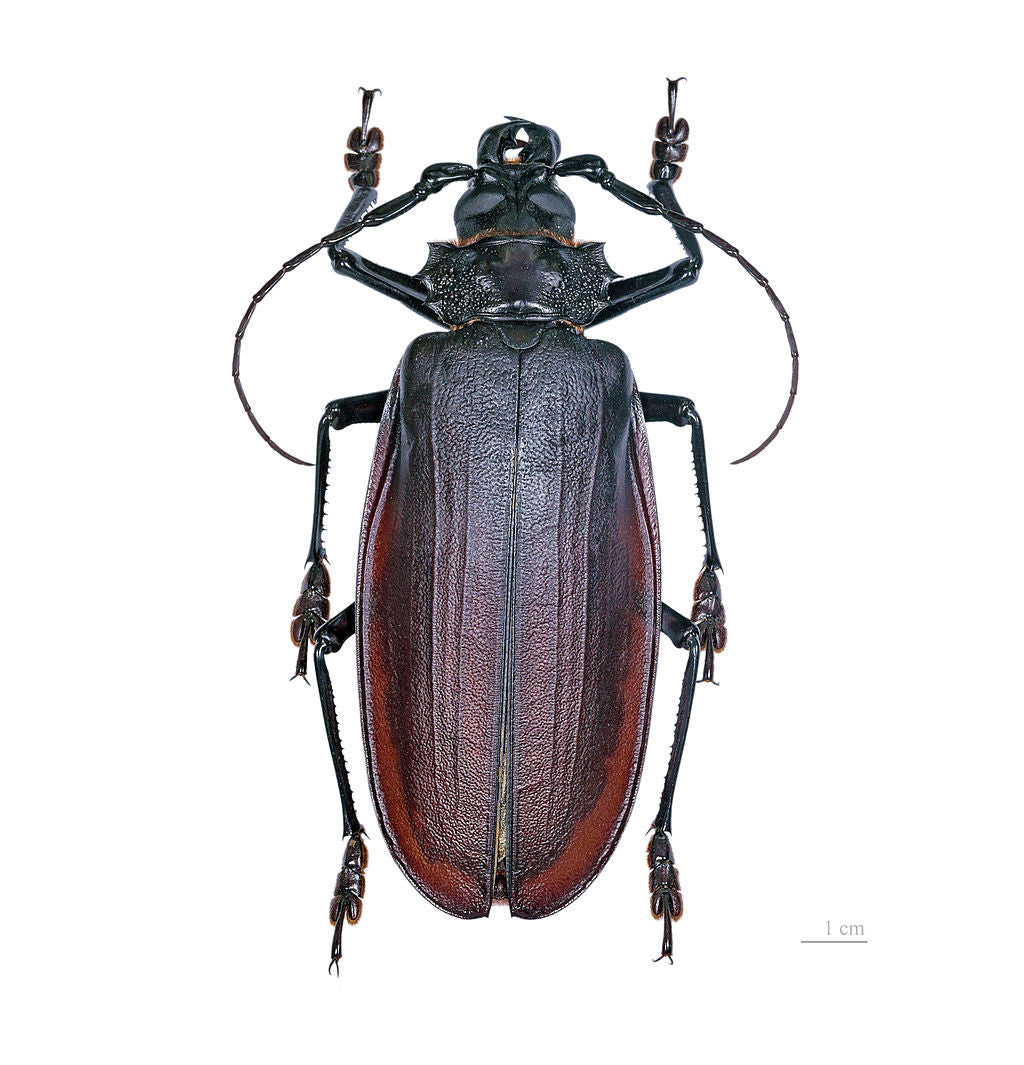
Pretty much the other heaviest insects are all beetles. The 9-inch Titan beetle from the rain forests of the Amazon, is the largest and heaviest of the beetles. The beetle larvae develop in decaying wood.
Coming in second in weight class would be the Elephant beetles. They range in size between 2.74 inches and 4.75 inches with the male being the heavier of the two. They are located in Mexico, South America and Australia. As the rain forests are in decline so too is the habitat for these giant beetles.
The final two heavy beetles are the adult male Goliath Beetles. They are unusual in that they are soil dwelling unlike many other beetle larvae that use decaying plant life where they begin development. The larvae itself can reach up to 5 inches and weigh up to 100 grams. Goliath beetles are a winged beetle that actually have two sets of wings. One set acts as protection for the underset actually used in flying.
So is insect weight important? Who knows but it sure is interesting.
List of Largest Insects - click here
Large and Heavy Insects Framed - click here
Tiny Insects Do Matter
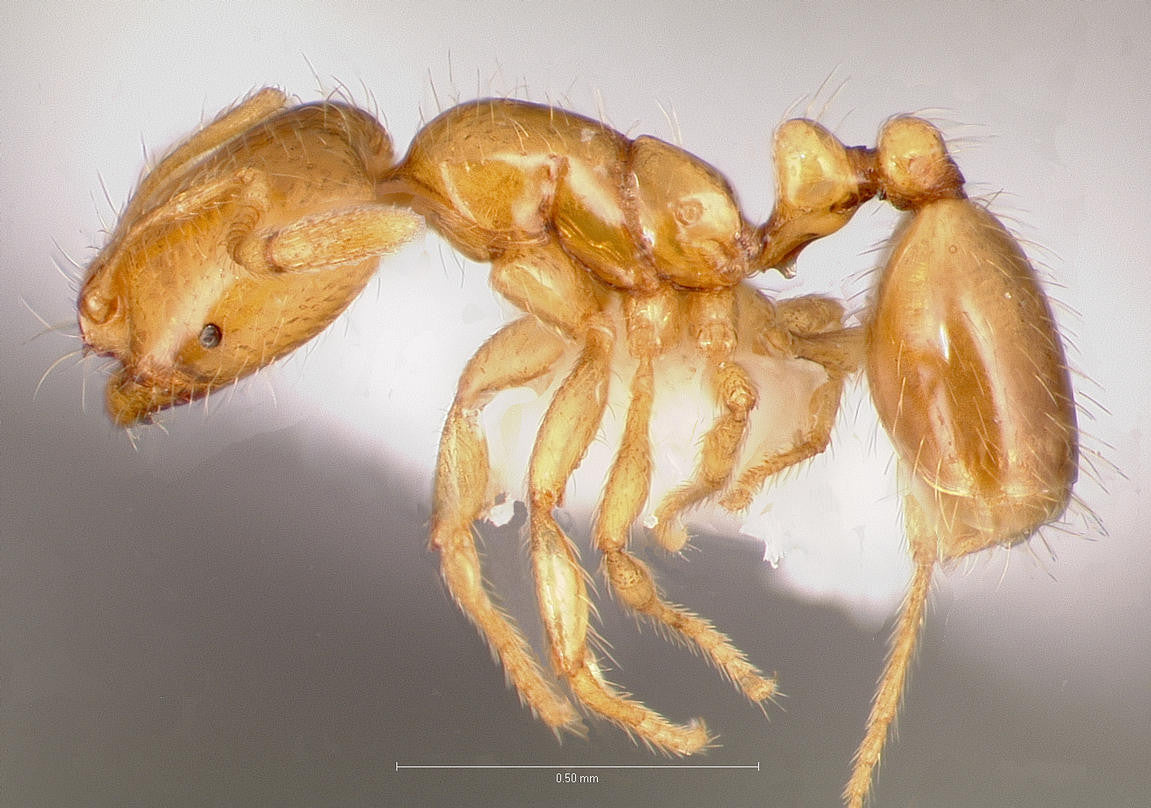
Sometimes it is the little things that matter most. For instance, insects may be tiny but they rule the world. They can be found in the air, beneath the ground, on your pet and even in your food (Ugh!). There are more than 1.6 billion insects for every man woman and child on earth. They can be found in Antarctica and in the Arctic.
Insects preceded humans by about 400 million years and have survived massive extinction since then yet over 56% of all known species on earth today are insects. Some are so small, however, they are all but invisible. Here are some interesting facts:
One final fact: Fleas can jump 200 times their body length. This would equate to a human being clearing a 70-story building. Now we can see why tiny insects rule the world.
There Is A Reason They Are Called Black Widows
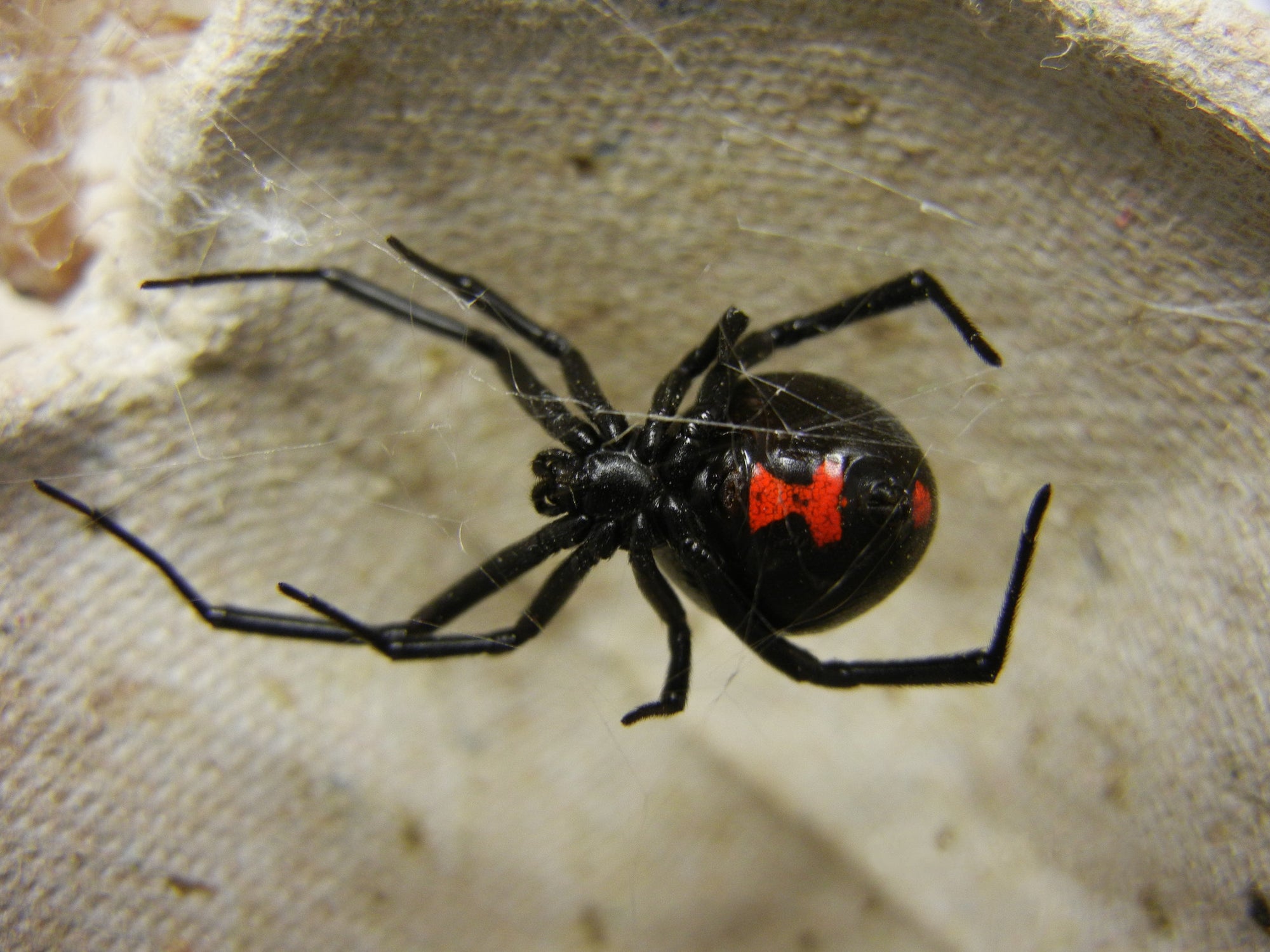
Perhaps the most venomous species of animal in the world is the North American Black Widow spider. Only the female carries the lethal bite and should be avoided at all costs. A single bite has the potential of being fatal. Thus, the reference to the woman being a “Black Widow” in thriller movies.
What to look for? Black widow spiders are typically dark brown or black with an orange hourglass on her abdomen although they also can have no markings at all. Unfortunately, not very helpful in determining who is and who isn’t. The advice would be to avoid all similar spiders if possible even though males cause no real potential harm to humans.
Her lethal blend of neurotoxins can kill smaller prey almost instantly and on humans can be fatal within hours. There will be an increase in blood pressure and breathing as the venom plays havoc with the victim’s nervous system. The venom is so strong it breaks down the skin, muscles and bone into liquid form so the spider can digest the target.
The question asked is if she is so lethal why are there not more deaths reported in the United States? Apparently she is afraid of humans and like many other dangerous animals, she tries to flee when provoked rather than attack which she does as a last resort. And in most cases it is reported she only injects a small amount of venom into her human victim before trying to escape. This is why the fatality rate from Black Widow bites only consist of about 1 per cent fatalities in the US.
More about the black widow here: https://en.wikipedia.org/wiki/Latrodectus_mactans
Learn more about insects, arachnids and invertebrates at the BugsDirect Learning Centre - click here.
What is Metamorphosis?
If you have been living for any amount of time the chances are you have heard the term “Metamorphosis” mentioned in one way or another. A simple definition is that the term means a major change in the appearance of something or someone. But the biological definition is usually applicable to insects or animals. And that is that there is a major change in form and structure as the animal changes from a juvenile to an adult.
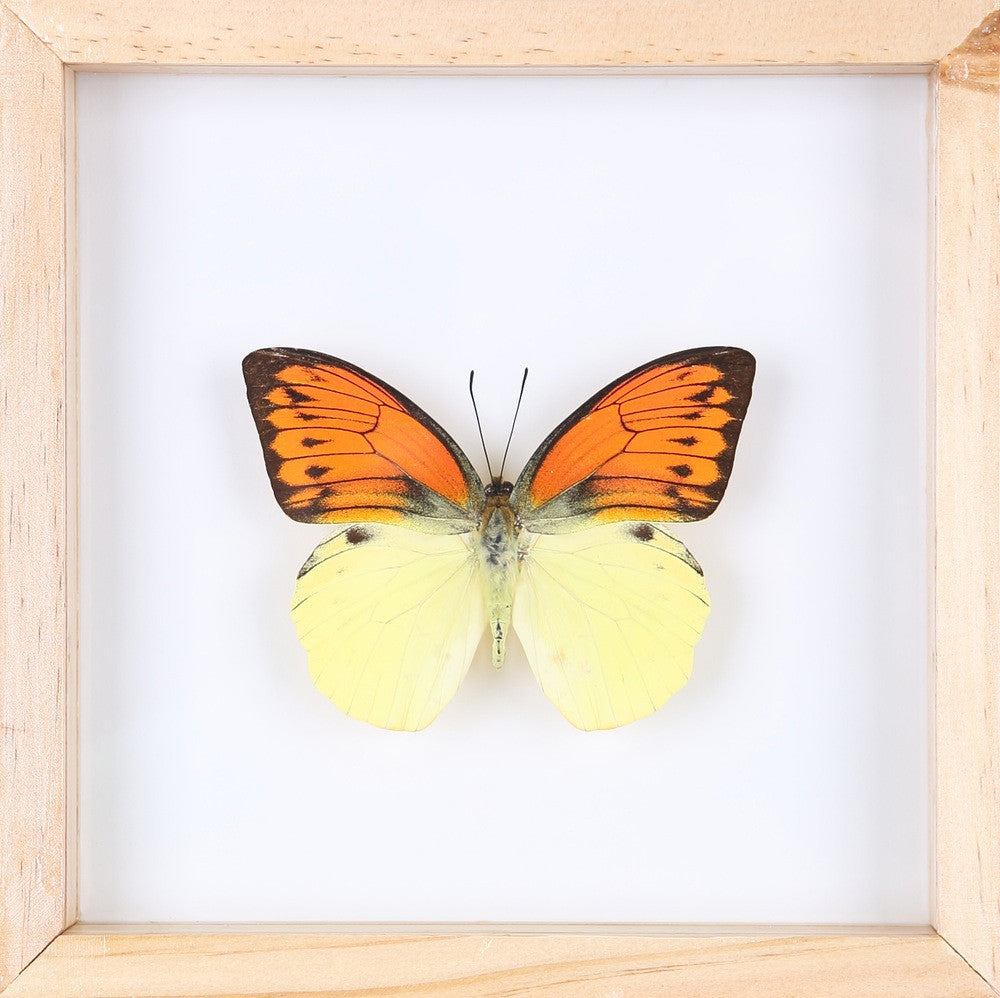
Perhaps the best know example is when the creepy, crawly caterpillar turns into the beautiful butterfly. There is no question about the drastic change in form and structure when this happens. Or what about the little tadpole that becomes a frog?
For the butterfly metamorphosis has four stages.
Of course this is an example of Metamorphosis in its most simple form but it is still a good example of how it works and what it means. So the next time you see that caterpillar in your garden or that colorful butterfly darting from flower to flower don’t forget that they are related and there would not be one without the other.
Learn more about the secret life of insects by reading our daily blog page at https://www.bugsdirect.com/blogs/entomology
How To Start An Insect Collection
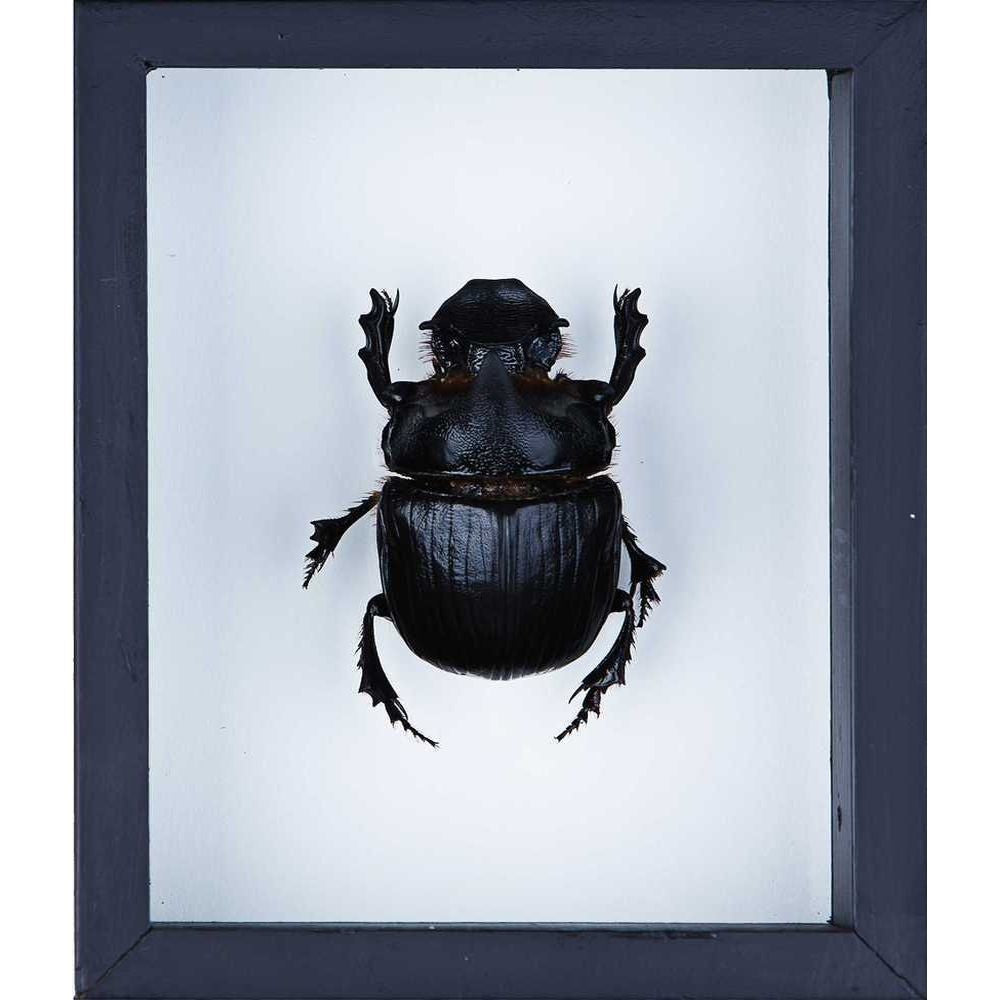
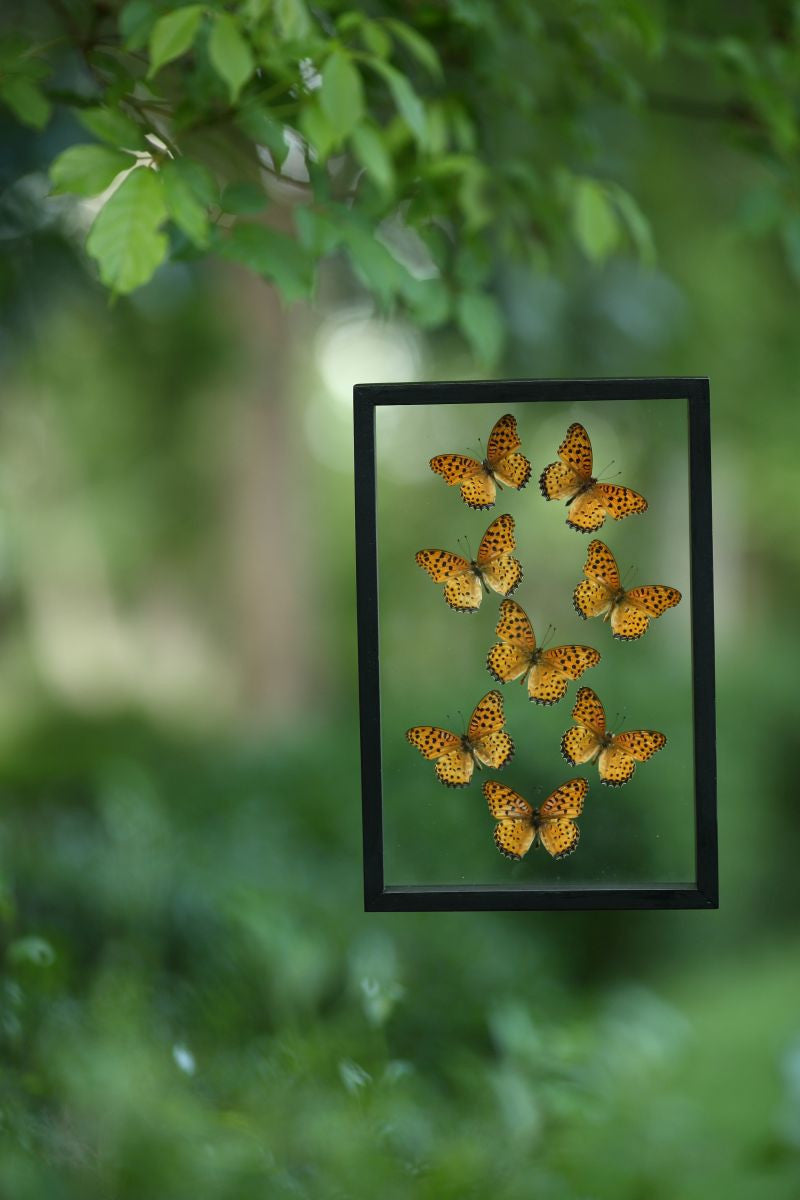
Are you interested in starting your own butterfly or insect collection? Pinning butterflies and other insects is a great hobby no matter your age.
Whether you are simply wanting a few unique pieces of art to add to your home or you want to create a large collection of the diverse insect habitat in your area, getting started is not extremely difficult.
There are a few things that you need to keep in mind before you begin. If you are going to start pinning or collecting insects, here is a basic overview of how the process works:
Capturing Insects
Before you can start pinning, you will need to capture the insects that you want to pin or preserve. There are a variety of ways to capture insects and the methods will depend on the type of bug you are trying to find. Butterflies, for example, can be captured with a nylon net. Other bugs may need to be attracted by using a light box. Beetles and other ground insects are typically captured by setting up small pitfall traps.
Using A Killing Jar
Once you have captured an insect, it will have to be killed before it can be preserved. The most effective way to do this is with a killing jar. To create a killing jar, take a jar that has a lid and place small strips of paper or pieces of cotton inside. You can also add Plaster of Paris to the bottom of the jar and allow it to dry for 2 days.
Once you have your absorbent material in the bottom of the jar, add approximately one tablespoon full of nail polish remover (ethyl acetate) over the paper, plaster, or cotton. Immediately close the jar so none of the fumes can escape.
Your jar is now ready to be used as a killing jar. Gently place the insect inside the jar and the fumes from the ethyl acetate will kill the insects without causing damage to them. For butterflies, you may need to pinch their thorax for 20 seconds to stun them so they do not damage their wings inside the jar.
Pinning and Preservation
Once the insect his been killed it will be time for pinning. Pinning insects require special pins that are considerably longer than ordinary pins and typically much thinner. Depending on the type of insect you are pinning, the placement of the pin will differ. Some insects, such as wasps, will need the pin inserted to the right of center. Butterflies and moths can be pinned directly in the center of the thorax.
When pinning butterflies, getting the wing spread correctly is also important. The best way to do this is by using a spreading board. A spread board allows you to pin the butterfly onto cork that is surrounded by tilted wood on either side. The wings can be placed flat on the wood and held in place by pinned paper. Allowing butterflies to dry on a spreading board will stiffen their wings in the proper way so they are displayed correctly.
How To Start Pinning Butterflies and Insects
If you plan on starting any type of insect collection, pinning your bugs is the most effective way of preservation for most types of insects with exoskeletons. At first glance you may think that pinning insects is as simple as taking your dried insect, poking it to a board and being finished. While that basic principle may be true, the exact details to ensure your displays look beautiful and natural are much more advanced. Here’s a basic overview of pinning butterflies and other insects:
Using The Right Pins
When you are pinning butterflies or any other type of insect, you need to use the proper pins. Insect preservation pins are different than a standard pin because they are much longer and thinner. By being thinner it ensures the pin is not visible so it does not detract from the overall appearance of your collection. Long pins also allow you to add depth to your displays and even hold insect labels if you choose.
Different Types Of Pinning Techniques
Depending on the type of insect that you will be pinning, the actual way that you pin them to your board will differ. No matter which type of order you are pinning, you want to make sure that the insect being pinned is perfectly perpendicular to the pin itself so it is parallel on the display.
The proper pinning technique for beetles is to pass the pin directly through the outer right wing, through the thorax. For flies and wasps, the pin should go between the bases of each forewing. Other insects, such as butterflies need special requirements to ensure the wings will appear correctly but the pin eventually is placed directly in the center of the thorax.
For extremely delicate insects or ones that are very small, you may not pass the pin through the body at all. Instead, the insect may be glued onto the tip of the pin or to a small card with identification data.
Spreading Board Use For Pinning Butterflies
If you are pinning butterflies, moths, or other insects you must take extra care to ensure the wings are displayed properly. To do this, a process that uses a spreading board is necessary. With a spreading board, you will be able to position the wings of the butterfly into their desired position and hold them against include wood.
This allows the wings to dry spread out so they stiff in a natural and appealing way. If you do not use a spreading board to pin your butterflies, their wings may droop or eventually become damaged and ruin your specimen.
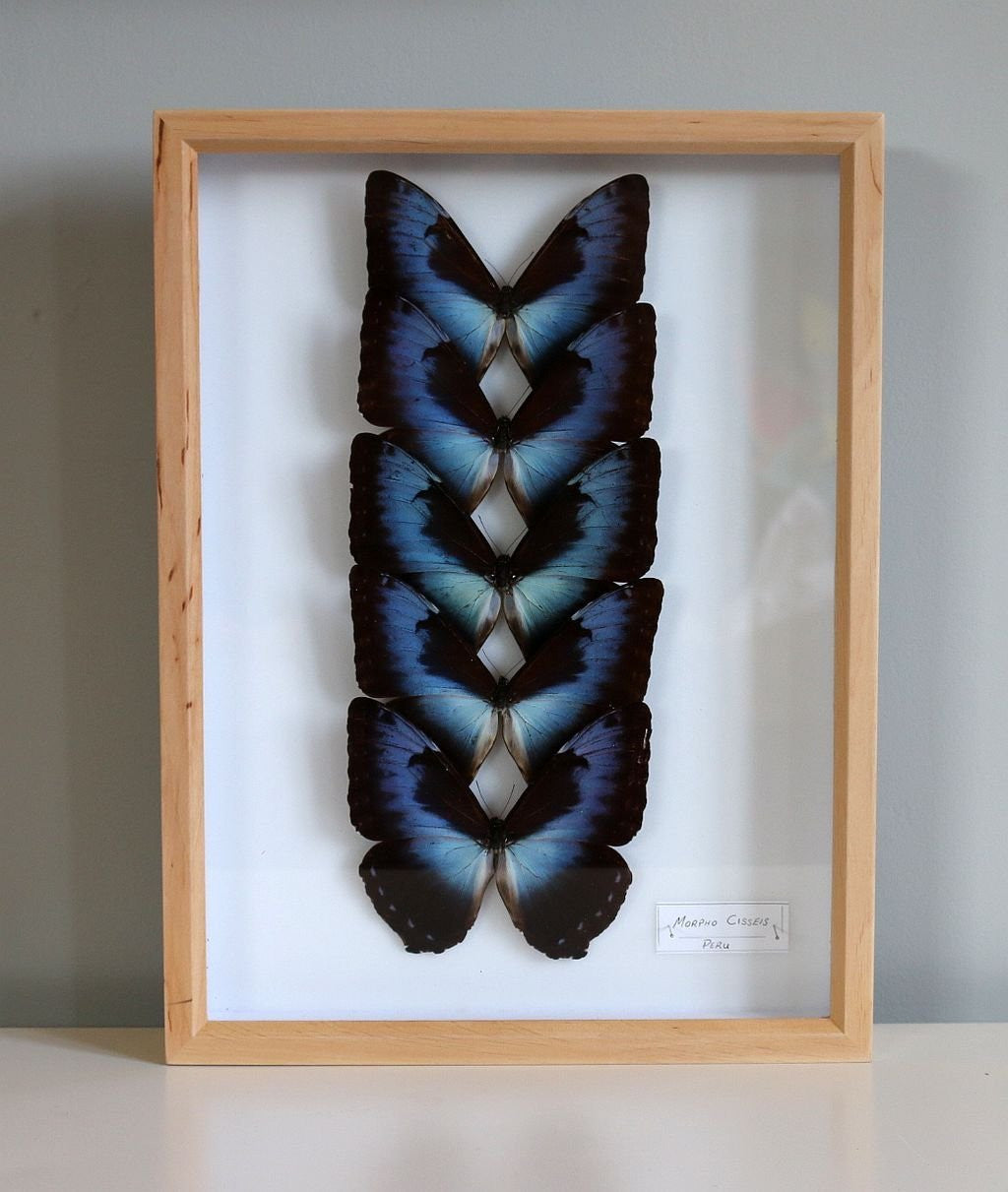
How To Display Framed Butterflies and Moths At Home
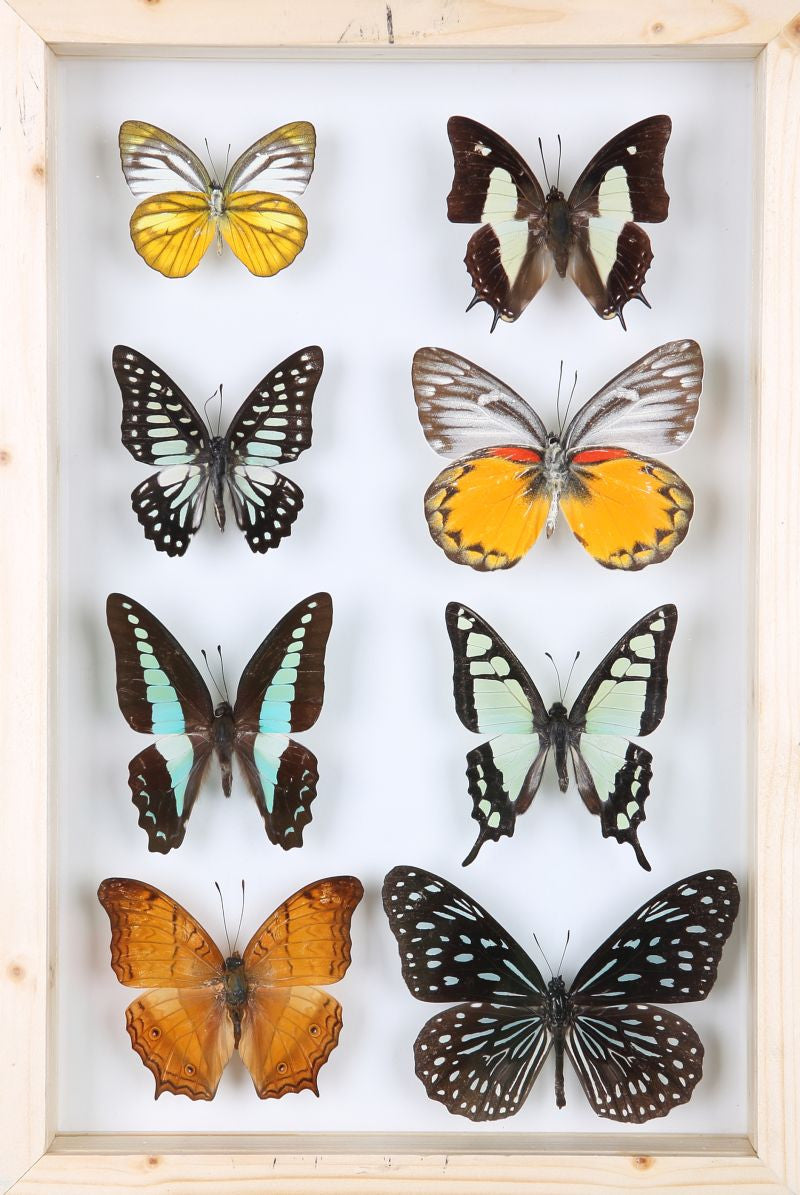
There’s no better way to get close to nature while adding unique charm to your home than with a framed butterfly or moth display. With so many varieties of butterflies, unique displays, and multiple frame sizes you can find framed butterflies and moths to accent any room. Here are a few things you should keep in mind if you plan on purchasing framed butterfly displays in your space:
Why Display Framed Butterflies?
If you are looking for unique home décor, framed butterflies are the perfect option. Because there are so many types of butterflies and moths in the world, you will be able to find a display that perfectly suits your space. Whether you are looking for something bold such as a banded blue morpho or you want to find artistically crafted displays that add a unique sense of style, you will be able to find something suitable.
Not only do framed butterflies make visually impactful home décor, they allow you to get closer to nature by bringing it inside your home. Framed butterflies and moths are also excellent conversation starters for guests and make perfect gifts.
Best Places To Display Your Butterflies And Moths
There are a lot of options when displaying your framed butterflies and moths. Ultimately they should be treated like you would art, placing them in areas that you want to create visual appeal and used to tie a room together. For small displays, consider hanging them in a pattern along the wall.
If you want to truly create a unique accent piece, you may want to hang a large butterfly display. Instead of a single butterfly or small collection, there are many framing options that have huge collections of butterflies and moths that are perfect for large walls.
Discover framed butterflies and moths at www.BugsDirect.com

How To Get Over A Fear Of Spiders
The fear of spiders is one of the most common phobias in the world. In Western countries, arachnophobia is something that more than 55% of respondents in a recent survey said they have. While it is a mild issue for some people, for others the fear of spiders can be extremely hard to deal with and affect daily activities.
If you are someone that has a fear of spiders, there are ways that you can overcome your fear and no longer have the feelings of anxiety or stress when around spiders. No matter how severe your fear of spiders are, here is what you need to know about getting over arachnophobia:
The Importance Of Progressive Exposure
When you are afraid of spiders, one of the most effective ways of overcoming your fear is through progressive exposure. The concept of progressive exposure is simple: you begin by becoming exposed to your fear slowly over time. The way this works for the fear of spiders is you start out with basic exposure. This can be as simple as looking at pictures of spiders.
Over time, you increase this amount of exposure. From looking at pictures of spiders, you move to watching a video of spiders. The next step in a classic exposure hierarchy will be to hold a toy spider.
A Simple Way To Get Close To A Real Spider
Once you have had simple exposure to spiders, it is very important that you are exposed to the real thing in some capacity. While picking up any type of spider may still be a long ways away, there is a very simple way to get close to a real spider without any risk: acrylic preserved spiders.
You can purchase spiders that are preserved in acrylic that are used as paperweights so you may handle a spider that is not alive but looks completely realistic. By become more familiar with spiders and handling a real (but dead) spider, it is a very important step in overcoming your fear of spiders.
Learn more at bugsdirect.com click here
Do Butterflies Pollinate Flowers?
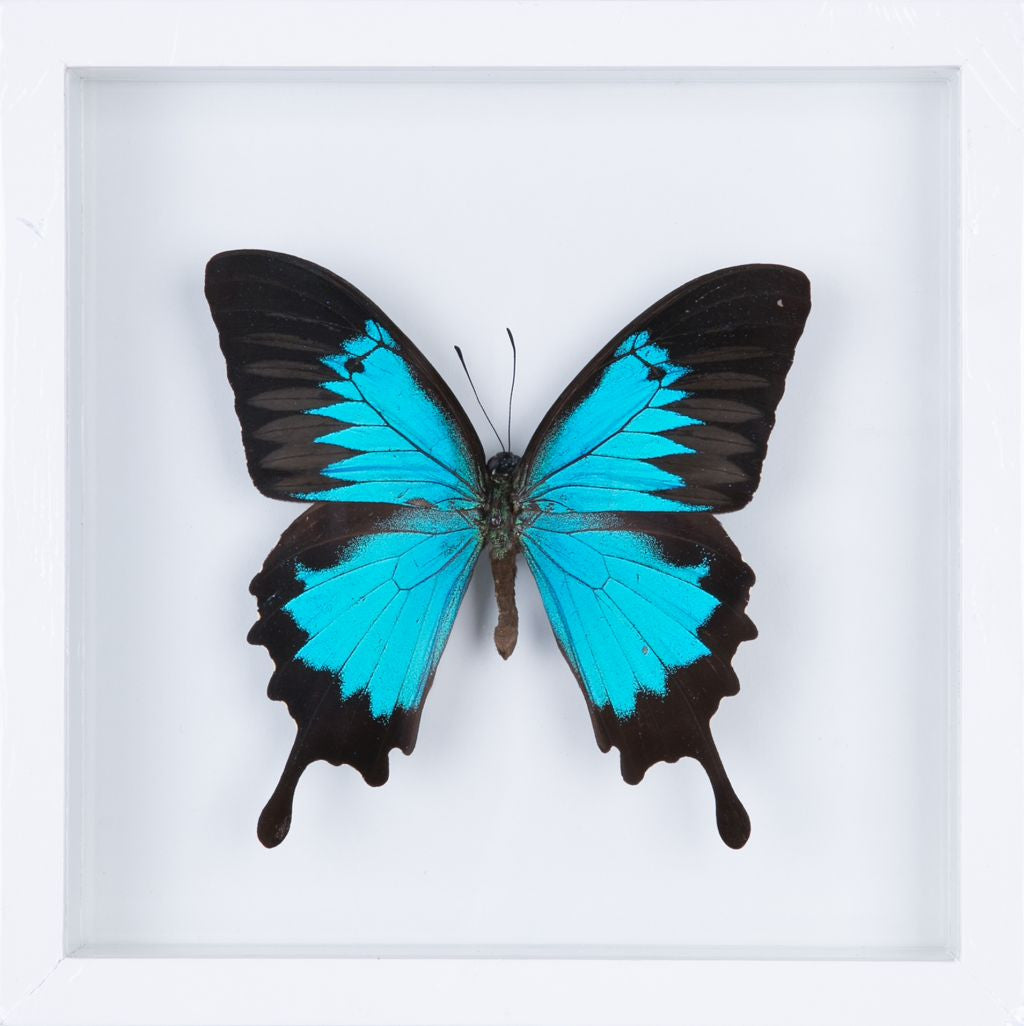
For a vast majority of plants in the world today, pollination is required to produce fruit and reproduce. Without pollination, new plants would not be able to grow and entire plant species could die out. So how does this pollination occur? For a lot of plants in the world, it is done by insects. The most famous pollinator in the world is the bee but not far behind the bee are the many varieties of butterflies. Here is what you need to about butterflies and their role in pollination:
While Not As Effective As Bees, Butterflies Pollinate Many Flowers
The reason bees are so effective and useful as pollinators is that their body is close to the ground and very wide. Their physical characteristics also make it extremely easy to collect pollen across their entire body and transport it between flowers. But that does not mean bees are the only pollinators. With their long legs and different body structure, butterflies are attracted to different types of flowers and are not as efficient at pollinating flowers, but they still pollinate many different plant species. With the current crisis with the world bee population, the role butterflies play in pollination is becoming more significant.
Some Flowers Are Exclusively Pollinated By Butterflies
While the shape of a butterfly’s body prevents it from pollinating some plants as well as other insects, they have certain characteristics that make them perfect for some flowers. One such flower is the firecracker plant. The flowers of this plant are very slender and tubular and hang at a variety of angles. Because of this, most insects are unable to maneuver to the plant and cannot reach inside its petals. The orange barred sulfur butterfly, on the other hand, is perfectly designed to reach inside the flower. Ultimately the orange barred sulfur butterfly will get pollen on its legs and body that is then transported to other flowers. Without the pollination from butterflies, this plant—along with many others—may not exist today.
Discover more at www.BugsDirect.com - click here

The Importance Of Butterflies In Our Ecosystem
In every continent across the world other than Antarctica, you will find butterflies fluttering around. Across the globe, there are over 17,000 different species of butterflies in a wide array of beautiful colors, shapes, and sizes. Not only are these iconic insects beautiful to look at, they are extremely important part of our ecosystem as well. Here are some of the critical roles that butterflies play in our ecosystem and why their survival is vital:
Butterflies and Pollination
Today, over 90 percent of all plants need a pollinator to move pollen from a male plant to a female plant in order to set seeds. The main workforce that takes care of this process is composed of insects. With the world bee population in disarray, much of this crucial pollination is left to butterflies. Without butterflies, many plants would not be pollinated which would result in less plant life.
Due to the way butterflies pollinate plants, it also helps spur cross pollination which can lead to plant diversity. This means plants will be more resilient, increasing their chances of long-term survival in nature.
Pest Control
In addition to pollinating plants, many species of butterflies are also a form of natural pest control which keeps unwanted bugs away from certain plants, allowing them to flourish without the need for chemical insecticides.
Members Of The Food Chain
Butterflies are also extremely important to the food chain. They are the source of food for many animals, birds in particular. Without butterflies, these animals would lose a significant portion of their diet. In turn, animals that they are food for would also lose their natural food source. Ultimately the loss of butterflies could result in the entire collapse of certain ecosystems just based on their use as a food source.


