Straight to your door
Welcome to BugsDirect Ltd. Leading Suppliers of Worldwide Entomology Specimens (Retail/Wholesale)


Properly preserved and stored pinned insects will not decay in the traditional sense—they can last for decades, centuries, or even indefinitely. Museum collections contain specimens over 200 years old that remain in excellent condition. However, pinned insects do face specific threats that can cause deterioration if not properly managed, including pest damage, mold, color fading, and physical breakdown.
Insects have a chitinous exoskeleton that is naturally resistant to decomposition:
Natural history museums worldwide maintain insect collections dating back to the 1700s and 1800s. These centuries-old specimens remain scientifically valuable and visually intact, proving that proper preservation creates essentially permanent specimens.
While pinned insects don't decay, they face other threats:
Dermestid beetles (carpet beetles) and clothes moths are the greatest danger to insect collections:
Prevention:
High humidity can cause mold to grow on specimens:
Prevention:
Light exposure causes pigment-based colors to fade:
Prevention:
Mechanical damage from handling or environmental stress:
Prevention:
Oil migration in some large-bodied insects:
Prevention:
Regular inspection helps catch problems early:
Professional collections follow strict protocols:
Pinned insects do not decay in the traditional biological sense. With proper care, they can last:
The primary threats are pests, mold, and light damage—all preventable with proper storage and care. The specimens themselves are inherently stable and non-perishable.
Our collection features museum-quality specimens prepared using archival methods and materials designed for maximum longevity. Each insect is properly dried, mounted with stainless steel pins, and ready for long-term display. With basic care, these specimens will remain beautiful for generations.

Softening dried insects—a process called "relaxing"—is essential for pinning and spreading specimens that have become stiff and brittle. Using a relaxing chamber to rehydrate dried insects allows you to position wings, legs, and antennae without damage, making it possible to create museum-quality displays from specimens collected days, months, or even years earlier.
When insects die and dry out naturally, they become rigid and brittle:
1. Prepare the Moisture Source
2. Add Mold Prevention
3. Create a Platform
4. Add Your Specimens
5. Seal and Wait
Small, Delicate Insects (12-24 hours)
Medium Insects (24-48 hours)
Large, Robust Insects (48-72 hours)
Very Old or Extremely Dry Specimens (3-7 days)
Check specimens periodically to avoid over-relaxing:
For urgent situations or very small insects:
For grasshoppers, mantids, and large beetles:
For very old or stubborn specimens:
Causes:
Solutions:
Causes:
Solutions:
Causes:
Solutions:
Causes:
Solutions:
Work quickly once specimens are relaxed:
Relaxing and pinning insects requires patience, proper equipment, and considerable skill. Many collectors prefer professionally prepared specimens that eliminate the need for relaxing chambers and technical preparation, offering:
Our collection features professionally prepared insects that have been expertly relaxed, spread, and mounted by skilled entomologists. Every specimen is ready for immediate display, eliminating the complexity of the relaxing process while ensuring museum-quality results.

Insect pinning follows standardized rules developed over centuries to ensure specimens are scientifically useful, aesthetically pleasing, and consistently prepared across collections worldwide. These rules cover pin placement, specimen height, pin angle, labeling, and handling techniques—creating a universal language for entomological preparation that allows specimens to be studied, compared, and displayed effectively.
The most fundamental rule: where you insert the pin depends on the insect's taxonomic group.
Lepidoptera (Butterflies and Moths)
Coleoptera (Beetles)
Hemiptera (True Bugs)
Hymenoptera (Bees, Wasps, Ants)
Diptera (Flies)
Orthoptera (Grasshoppers, Crickets, Mantids)
Odonata (Dragonflies and Damselflies)
Specimens must be positioned at a consistent height on the pin for uniform appearance and proper labeling.
Standard Height:
Why This Matters:
General Rule:
Why Vertical Matters:
Insect pins come in standardized sizes (000 to 7), with specific sizes for different insects.
Pin Size Chart:
Selection Guidelines:
Handling Rules:
Butterflies and moths must be spread according to specific standards.
Wing Position Rules:
Why Symmetry Matters:
For All Insects:
Specific Guidelines:
Unlabeled specimens have minimal scientific or educational value.
Required Label Information:
Label Placement Rules:
Timing Rules:
Drying Standards:
When to Use:
Point Mounting Rules:
Minuten Pin Method:
Large-Bodied Insects:
Dragonflies:
Resources for Beginners:
Essential Skills to Develop:
Mastering insect pinning rules requires practice, specialized equipment, and considerable time investment. Many collectors prefer professionally prepared specimens that guarantee:
Our collection features insects prepared by expert entomologists who follow strict museum standards for pinning, spreading, and labeling. Every specimen demonstrates proper technique, ensuring both scientific accuracy and aesthetic excellence—ready for display or study.


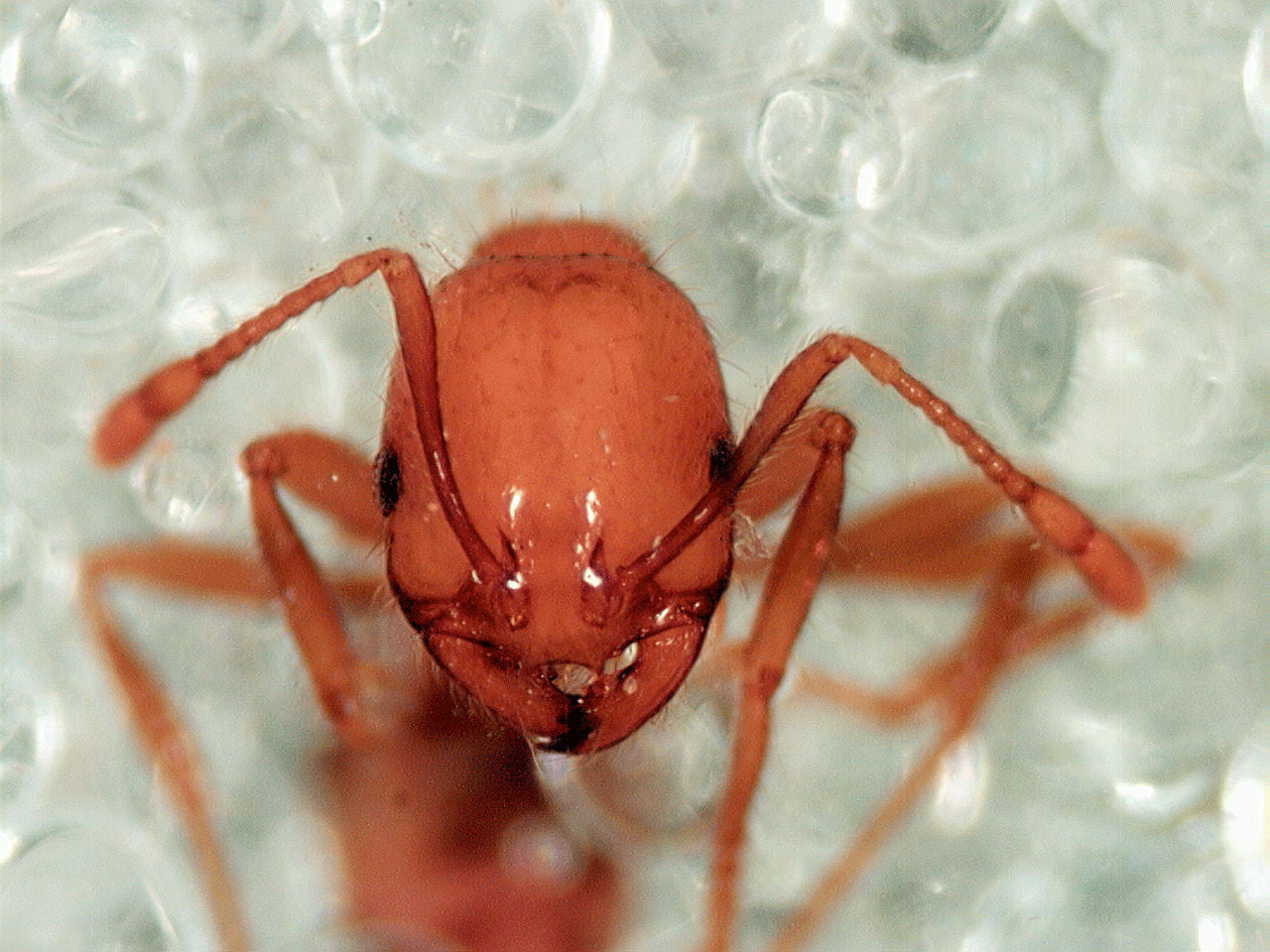
Interesting Facts about the Fire Ant
No matter where you live in the world chances are you have come across ants in your yard or home at one time or another. You would think ants are just ants and are no more than an annoyance. A little spray will take care of the problem. Maybe not so with the Fire Ant. Believe it or not they are one of the most destructive insects on the planet. There are four species of ants in the US but the red Fire Ant is the most common species and is domineering over the other species by interbreeding.
They are located primarily throughout the southern and southeastern United States but they have spread as far north as Maryland and as far west as California. Why are they more than just a pesky pest?
If a person happens to step on a mound in their yard the Fire Ant will viciously attack the target and to some humans the bites instead of just stinging can become infected and even leave scars.
Here is a little trick if you are up to it to distinguish if you are dealing with Fire Ants or some other type. If you find a mound out in the yard or elsewhere, take a stick and put it down the center of the mound then back away. If the ants scatter they are not fire ants because they are trying to protect the queen. But if they climb up the stick it is time to run like hell!
Ofcourse i dont reccomend disturbing an ants nest in any way - they are best left alone!


