We deliver worldwide

Get your package anywhere!

Free shipping

On orders over $100 USD / €85 EURO / £75 GBP

Happiness guaranteed

30 day money back guarantee

100% Secure payments

Visa, Mastercard, Amex, PayPal, Google Pay, Apple Pay, Shop Pay, Discover, Maestro & more

We deliver worldwide

Get your package anywhere!

Free shipping

On orders over $100 USD / €85 EURO / £75 GBP

Happiness guaranteed

30 day money back guarantee

100% Secure payments

Visa, Mastercard, Amex, PayPal, Google Pay, Apple Pay, Shop Pay, Discover, Maestro & more

Welcome to BugsDirect Ltd. Leading Suppliers of Worldwide Entomology Specimens (Retail/Wholesale)
Can Butterflies Be Taxidermy?

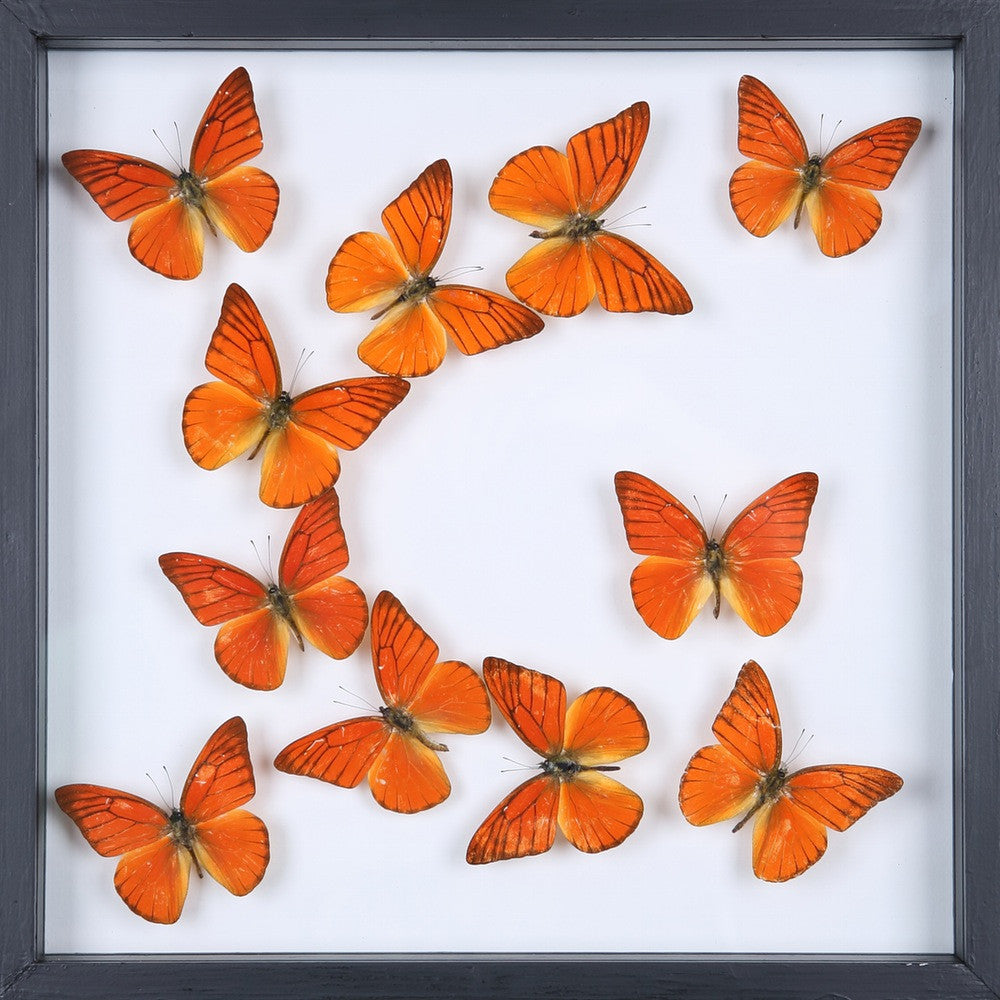
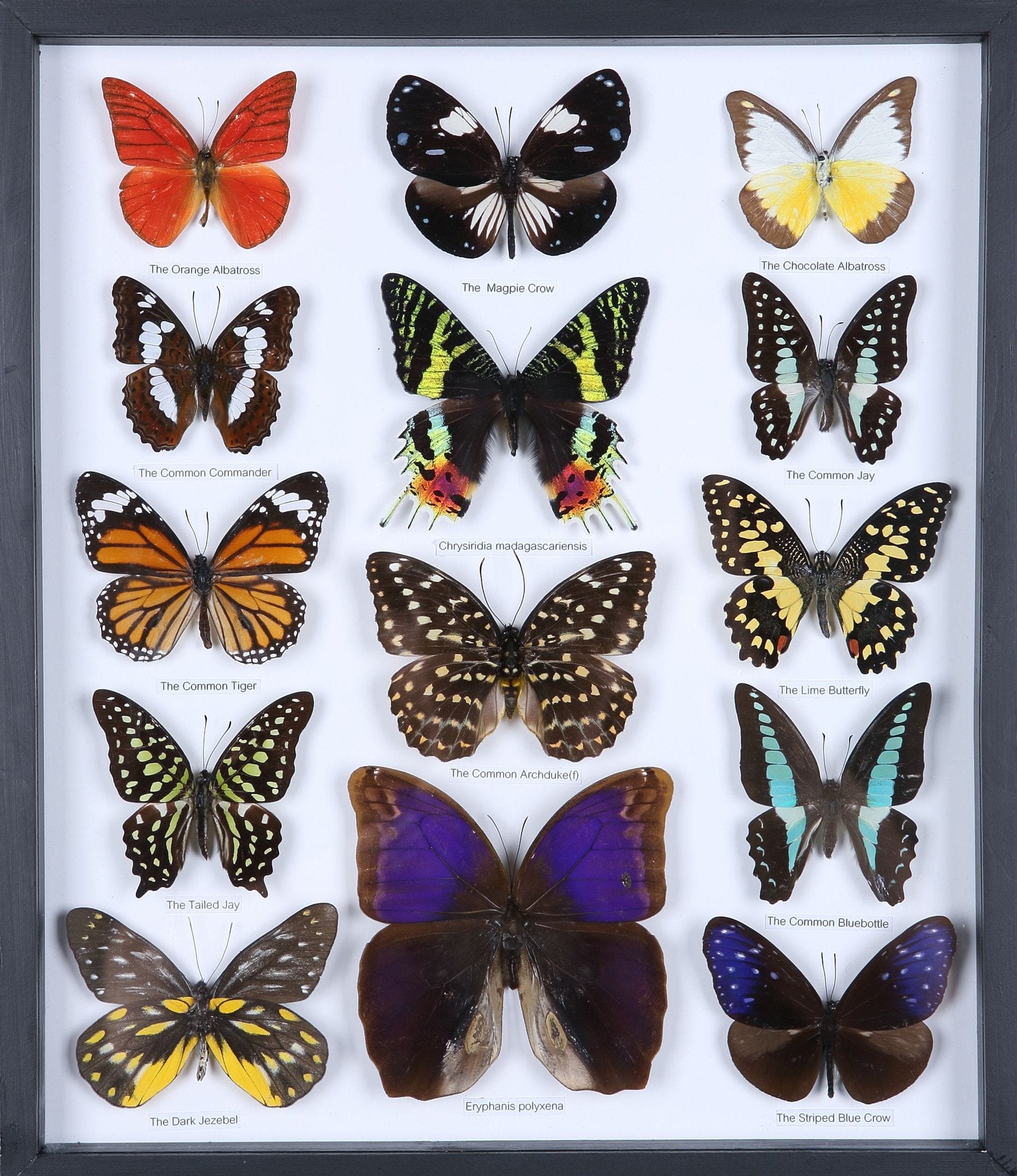
Professionally preserved butterfly specimen

Technically, butterflies are not taxidermy in the traditional sense—they're preserved using specialized entomological techniques. While taxidermy involves preserving vertebrate animals by removing and replacing internal tissues, butterfly preservation is a distinct process that maintains the insect's natural structure through careful drying and mounting.


The Difference Between Taxidermy and Insect Preservation

Traditional Taxidermy

Taxidermy is used for vertebrate animals (mammals, birds, reptiles, fish) and involves:

  • Removing the skin from the body
  • Treating and preserving the hide
  • Creating an artificial body form
  • Mounting the preserved skin over the form

Entomological Preservation

Butterfly and insect preservation is simpler because of their exoskeleton structure:

  • The entire body is preserved intact
  • No skin removal or artificial forms needed
  • Specimens are dried and positioned while pliable
  • The natural exoskeleton provides permanent structure


How Butterflies Are Preserved


The Spreading Process

Professional butterfly preservation involves carefully positioning the wings and body while the specimen is fresh or relaxed:

  1. Relaxing: If dried, specimens are placed in a humidity chamber to soften
  2. Positioning: The butterfly is placed on a spreading board with wings carefully arranged
  3. Pinning: Wings are held in position with pins and paper strips
  4. Drying: The specimen air-dries for 1-2 weeks until permanently set
  5. Mounting: Once dry, it's ready for display or framing


Why This Isn't Taxidermy

Unlike taxidermy, butterfly preservation doesn't require:

  • Removing internal organs or tissues
  • Chemical preservation treatments
  • Artificial body forms or armatures
  • Skin tanning or curing processes

The butterfly's chitinous exoskeleton naturally preserves the body structure, making the process more akin to botanical pressing than traditional taxidermy.


Professional vs. Amateur Preservation


Museum-Quality Preparation

Professional entomologists and preparators create specimens with:

  • Symmetrical wing positioning at precise angles
  • Proper body alignment and antenna placement
  • Minimal damage to delicate scales and structures
  • Appropriate labeling with species and origin data


Common Amateur Challenges

DIY preservation often results in:

  • Asymmetrical or unnatural wing positions
  • Broken antennae or damaged wings
  • Color loss from improper handling
  • Mold or pest damage from incomplete drying


Other Insects and Entomological Specimens

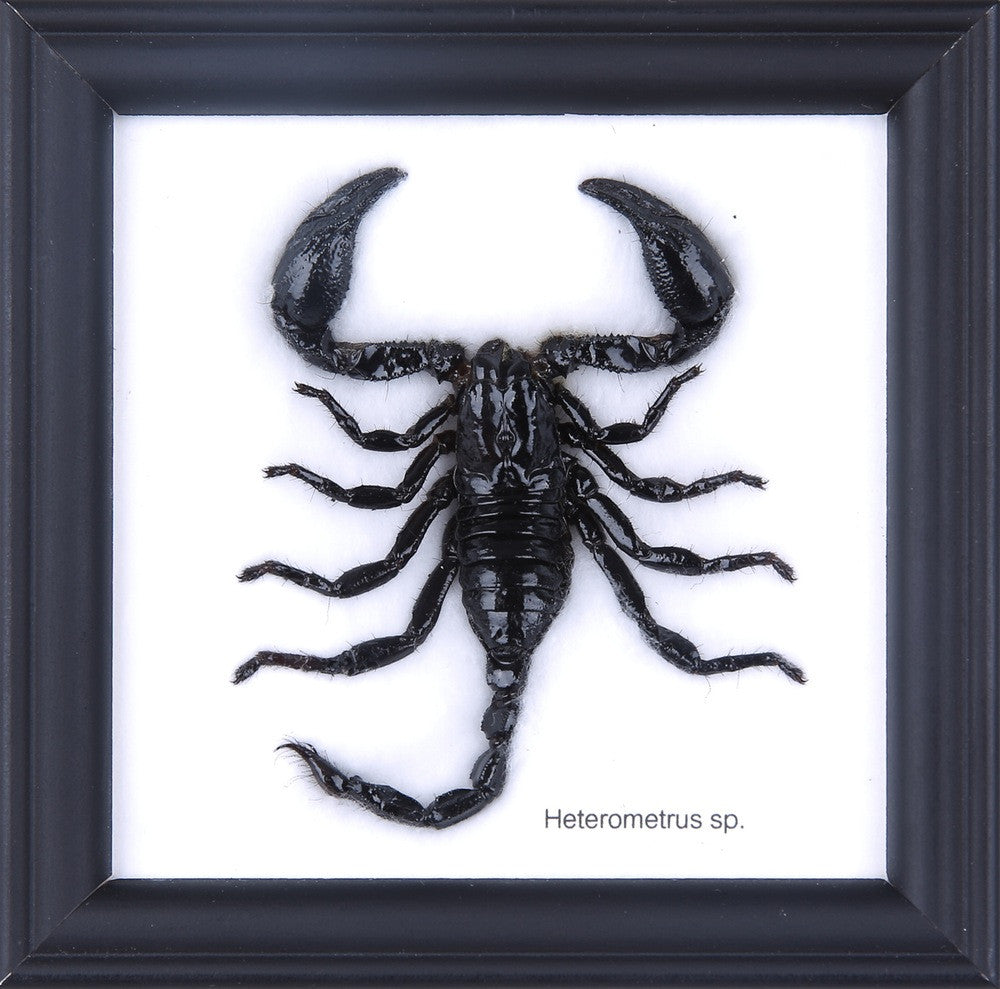
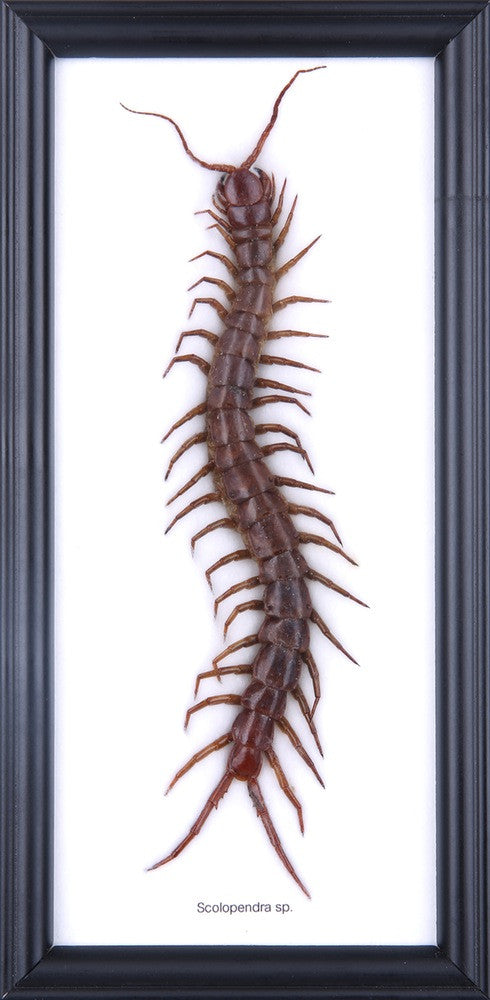
The same preservation techniques apply to other insects:

  • Beetles: Often pinned directly without spreading
  • Moths: Spread like butterflies with wings displayed
  • Dragonflies: Require careful positioning of wings and body
  • Stick insects: Preserved in natural poses


Caring for Preserved Butterfly Specimens

Properly preserved butterflies can last indefinitely with correct care:

  • Store in sealed frames or display cases to prevent pest damage
  • Keep away from direct sunlight to prevent fading
  • Maintain low humidity to prevent mold
  • Use mothballs or cedar in storage areas
  • Handle only by the body, never touching wings


The Art and Science of Lepidoptera Display

While not technically taxidermy, butterfly preservation is both an art and a science. It requires knowledge of anatomy, patience, and skill to create museum-quality displays that showcase these magnificent insects in their full natural beauty.


Ethically Preserved Specimens

Whether you call it taxidermy or entomological preservation, the most important consideration is ethical sourcing. Our collection features only specimens from sustainable farms, licensed breeders, and conservation programs—never wild-caught endangered species.

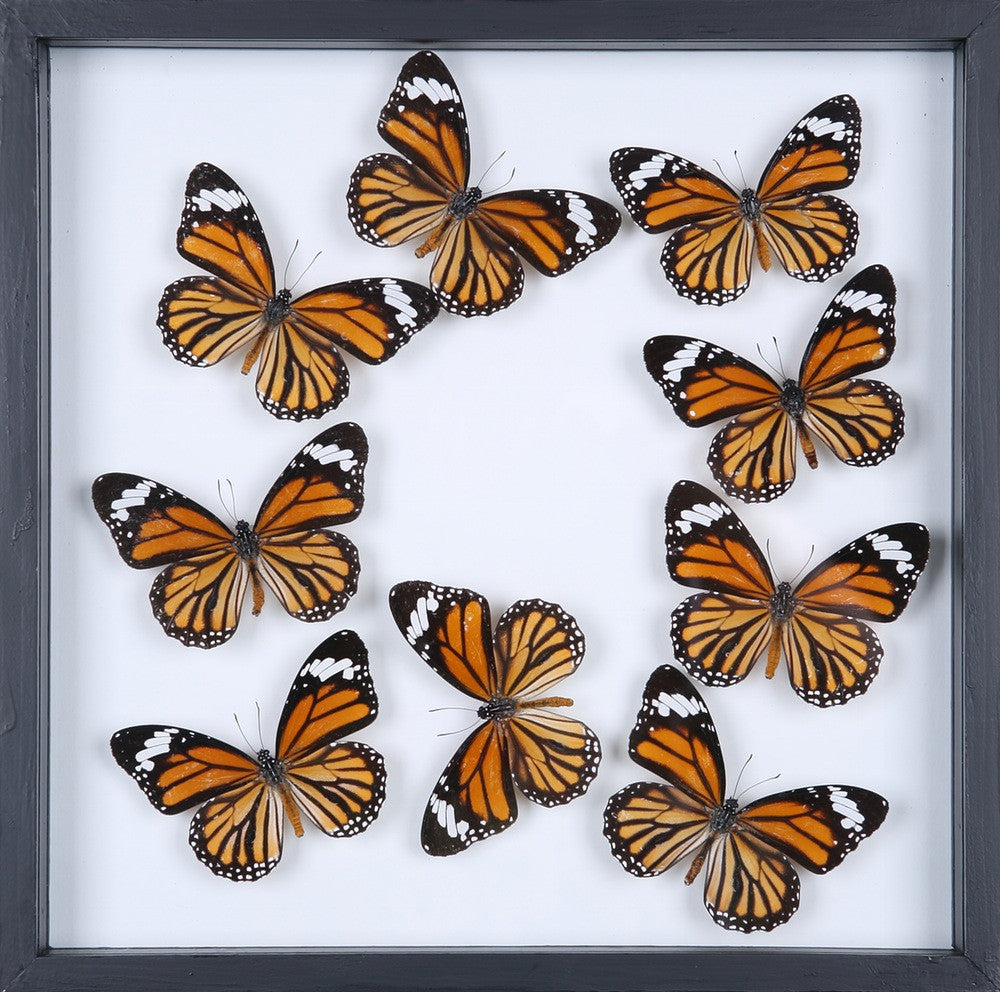
 

Explore Our Preserved Butterfly Collection