We deliver worldwide

Get your package anywhere!

Free shipping

On orders over $100 USD / €85 EURO / £75 GBP

Happiness guaranteed

30 day money back guarantee

100% Secure payments

Visa, Mastercard, Amex, PayPal, Google Pay, Apple Pay, Shop Pay, Discover, Maestro & more

We deliver worldwide

Get your package anywhere!

Free shipping

On orders over $100 USD / €85 EURO / £75 GBP

Happiness guaranteed

30 day money back guarantee

100% Secure payments

Visa, Mastercard, Amex, PayPal, Google Pay, Apple Pay, Shop Pay, Discover, Maestro & more

Welcome to BugsDirect Ltd. Leading Suppliers of Worldwide Entomology Specimens (Retail/Wholesale)

Can You Put a Dead Butterfly in a Picture Frame?

Framing a preserved butterfly specimen

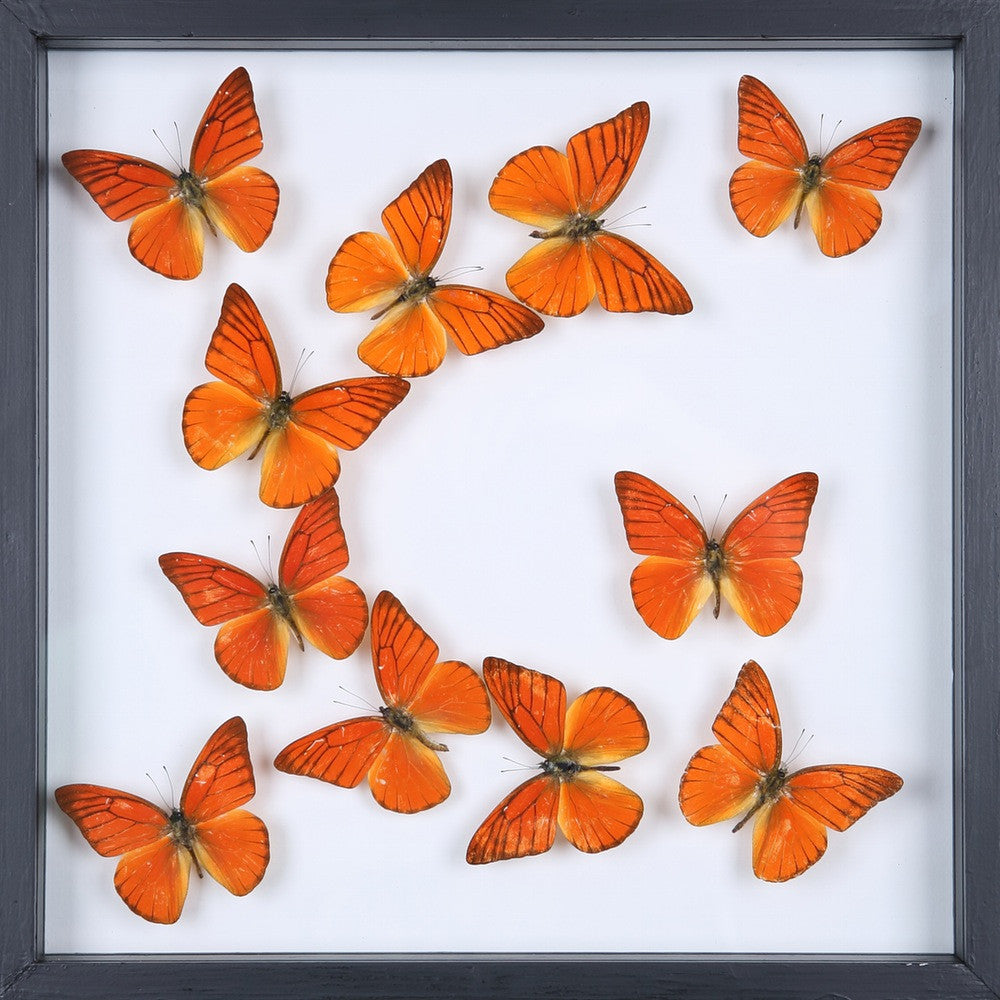
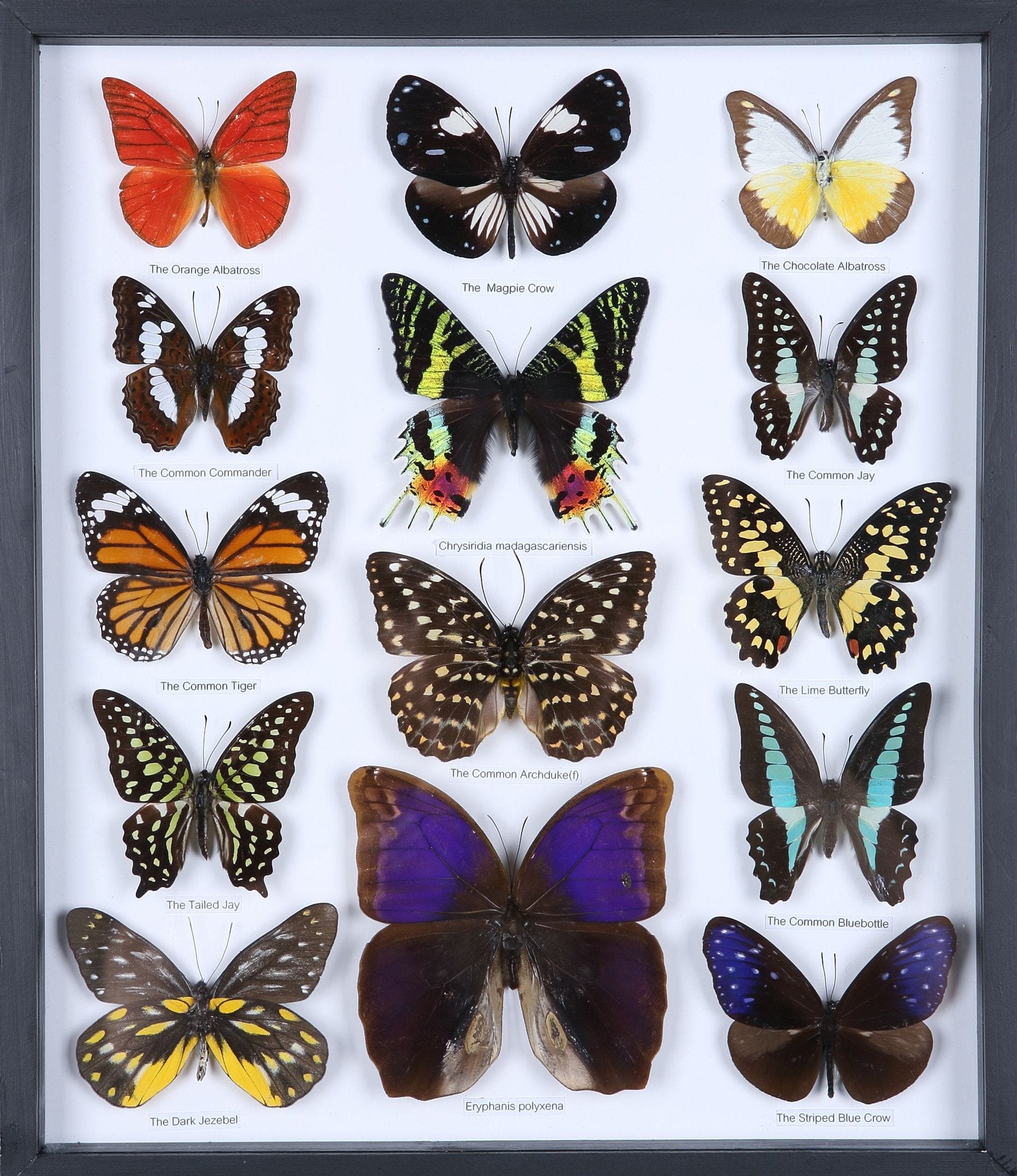
Yes, you absolutely can put a preserved butterfly in a picture frame—and when done properly, it creates a stunning piece of natural history art that can last for generations. Framing butterflies is a time-honored tradition that combines scientific preservation with decorative display.

What You Need to Frame a Butterfly

Essential Materials

  • Shadow box or deep frame - Provides depth to protect delicate wings
  • UV-protective glass - Prevents fading and sun damage
  • Archival backing board - Acid-free foam board or cotton rag board
  • Insect pins or archival adhesive - For secure mounting
  • Cotton or foam spacers - To prevent glass contact with wings

Step-by-Step Framing Process

1. Prepare Your Butterfly Specimen

The butterfly must be properly preserved and dried before framing. If you have a dried specimen that's become brittle, you may need to relax it first in a humidity chamber to prevent damage during positioning.


2. Choose the Right Frame

Select a shadow box or deep frame (at least 1-2 cm depth) to ensure the glass doesn't touch the butterfly's wings. Standard picture frames are too shallow and can crush delicate specimens.


3. Mount the Butterfly

Position your butterfly on the archival backing board using one of two methods:

  • Pin mounting: Insert an insect pin through the thorax into the backing board
  • Adhesive mounting: Use small dots of archival glue on the body (never on wings)


4. Add Protective Spacing

Place small foam or cotton spacers around the edges to ensure the glass sits away from the butterfly, preventing contact that could damage wings or antennae.


5. Seal and Display

Seal the frame backing to prevent dust and humidity. Display your framed butterfly away from direct sunlight, even with UV-protective glass, to maximize longevity.

Common Mistakes to Avoid

  • Using shallow frames - Wings will press against glass and become damaged
  • No UV protection - Colors will fade rapidly in sunlight
  • Non-archival materials - Acidic backing boards cause deterioration
  • Touching wings - Oils from fingers damage delicate scales
  • High humidity locations - Bathrooms and kitchens promote mold growth

DIY vs. Pre-Framed Specimens

While framing your own butterfly can be rewarding, it requires patience, proper materials, and careful handling. Many collectors prefer professionally framed specimens that offer:

  • Expert spreading and positioning for optimal display
  • Museum-quality materials and UV protection
  • Proper species identification and labeling
  • Ready-to-hang convenience
  • Guaranteed ethical sourcing documentation

Caring for Your Framed Butterfly

With proper care, framed butterflies can remain vibrant for decades:

  • Display away from direct sunlight and heat sources
  • Maintain stable humidity (avoid damp rooms)
  • Dust the frame exterior gently with a soft cloth
  • Check periodically for signs of pests or mold
  • Store in climate-controlled environments if not displayed

Ready-to-Frame and Pre-Framed Options

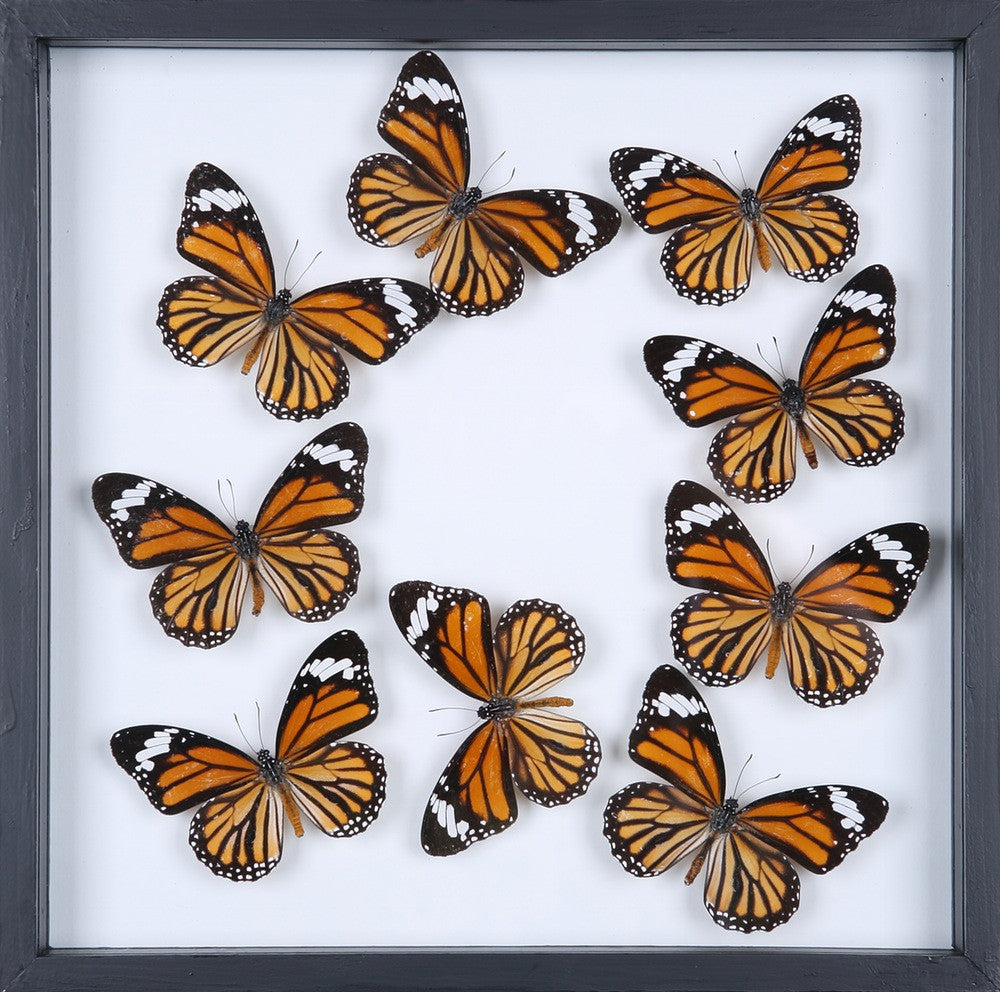
Browse our collection of ethically sourced butterfly specimens, available both ready-to-frame and in museum-quality frames. Each specimen is professionally preserved and comes with full documentation of its sustainable origin.

 

Explore Our Collection