Our Commitment to Ethical Sourcing
How Responsible Collecting Supports Conservation and Local Communities
Modern butterfly collecting faces an important question: Can we ethically collect and preserve these beautiful creatures whilst supporting conservation efforts? The answer is yes—when done responsibly. Sustainable butterfly farming, CITES compliance, and ethical sourcing practices ensure that collecting contributes to conservation rather than threatening wild populations.
The Conservation Paradox
Understanding the Concerns
Critics of butterfly collecting raise legitimate concerns:
- Habitat loss threatens many species
- Over-collection can impact local populations
- Illegal trade in protected species continues
- Climate change adds additional pressure
However, responsible collecting addresses these issues whilst providing tangible conservation benefits.
The Conservation Benefits of Ethical Collecting
-
Economic incentive for habitat preservation – Butterfly farms protect rainforest land
-
Alternative income for local communities – Reduces pressure on destructive industries
-
Species monitoring and documentation – Collections track population changes
-
Public education and awareness – Specimens inspire conservation support
-
Funding for research – Trade revenues support scientific studies
Sustainable Butterfly Farming
How Butterfly Farms Work
Sustainable butterfly farms operate in tropical regions where species naturally occur:
-
Habitat preservation – Farms maintain native vegetation and forest cover
-
Breeding programs – Butterflies reproduce in protected enclosures
-
Larval rearing – Caterpillars are fed appropriate host plants
-
Natural lifecycle – Butterflies live full lives before preservation
-
Selective harvesting – Only surplus specimens are collected
Environmental Benefits
Butterfly farming creates positive environmental outcomes:
-
Forest conservation – Land remains forested rather than cleared for agriculture
-
Biodiversity protection – Native plants and ecosystems are maintained
-
Reduced wild collection – Farmed specimens decrease pressure on wild populations
-
Corridor creation – Farms can connect fragmented habitats
-
Reforestation incentive – Degraded land is replanted with native species
Community Impact
Butterfly farming provides sustainable livelihoods:
- Stable income for rural families in developing countries
- Alternative to logging, mining, or slash-and-burn agriculture
- Employment for women and indigenous communities
- Skills development in entomology and business management
- Pride in conservation and cultural heritage
CITES and Legal Compliance
What is CITES?
The Convention on International Trade in Endangered Species (CITES) regulates wildlife trade to ensure sustainability:
-
Appendix I: Most endangered species, commercial trade generally prohibited
-
Appendix II: Species requiring permits to ensure trade doesn't threaten survival
-
Appendix III: Species protected in specific countries
CITES-Listed Butterflies
Protected species include:
- Queen Alexandra's Birdwing (Ornithoptera alexandrae) – Appendix I
- Many other birdwing species (Ornithoptera spp.) – Appendix II
- Some swallowtails (Papilionidae) – Appendix II
- Apollo butterflies (Parnassius apollo) – Appendix II in some regions
Responsible Dealers Ensure Compliance
Ethical suppliers:
- Obtain proper export and import permits
- Work only with licensed farms and collectors
- Provide documentation with every specimen
- Refuse to trade in illegally obtained butterflies
- Educate customers about regulations
Wild Collection vs. Farmed Specimens
When Wild Collection is Sustainable
Not all wild collection is harmful. Responsible wild collection:
- Targets abundant, non-threatened species
- Operates under government quotas and monitoring
- Employs local collectors with traditional knowledge
- Avoids breeding seasons and critical habitats
- Contributes data to scientific research
The Case for Farmed Specimens
Butterfly farming offers advantages:
- Zero impact on wild populations
- Consistent quality and availability
- Direct economic benefit to source communities
- Habitat preservation incentive
- Easier regulatory compliance
How to Collect Ethically
Choose Reputable Dealers
Work with suppliers who:
- Transparently disclose specimen sources
- Provide CITES documentation when required
- Support sustainable farming operations
- Refuse to sell illegally obtained specimens
- Educate customers about conservation
Prioritize Farmed and Abundant Species
- Start collections with common, farmed species
- Research conservation status before purchasing rare specimens
- Avoid species from threatened habitats
- Support dealers who invest in farming infrastructure
Demand Documentation
- Request CITES permits for regulated species
- Ask about specimen origin and collection methods
- Verify dealer credentials and certifications
- Report suspicious or illegal trade to authorities
Support Conservation Initiatives
- Purchase from dealers who donate to conservation organizations
- Contribute directly to butterfly habitat protection
- Participate in citizen science and monitoring programs
- Educate others about sustainable collecting
The Educational Value of Collections
Inspiring Conservation Through Beauty
Well-curated collections serve conservation by:
- Connecting people emotionally to biodiversity
- Demonstrating the value of habitat protection
- Teaching about ecosystems and ecological relationships
- Inspiring future naturalists and scientists
- Documenting species for research and education
Historical and Scientific Importance
Private collections contribute to science:
- Document historical distributions and population changes
- Provide specimens for DNA analysis and research
- Preserve genetic diversity information
- Support taxonomic studies and species descriptions
- Serve as reference material for identification
The Future of Ethical Collecting
Emerging Best Practices
- Blockchain tracking for specimen provenance
- DNA barcoding to verify species and origin
- Expanded butterfly farming in source countries
- Stronger enforcement of CITES regulations
- Collector education and certification programs
Your Role as a Responsible Collector
Every purchasing decision matters:
- Choose quality over quantity
- Research before buying rare or expensive specimens
- Support dealers with transparent, ethical practices
- Share knowledge about sustainable collecting
- Advocate for habitat protection and conservation funding
Our Commitment to Ethical Sourcing
We source exclusively from:
- CITES-compliant suppliers with proper documentation
- Sustainable butterfly farms in source countries
- Licensed collectors operating under government quotas
- Suppliers who support local communities and conservation
Every specimen purchase supports habitat preservation and provides sustainable income to farming communities. We believe that ethical collecting and conservation are not just compatible—they're complementary.
Collect Responsibly, Conserve Beautifully
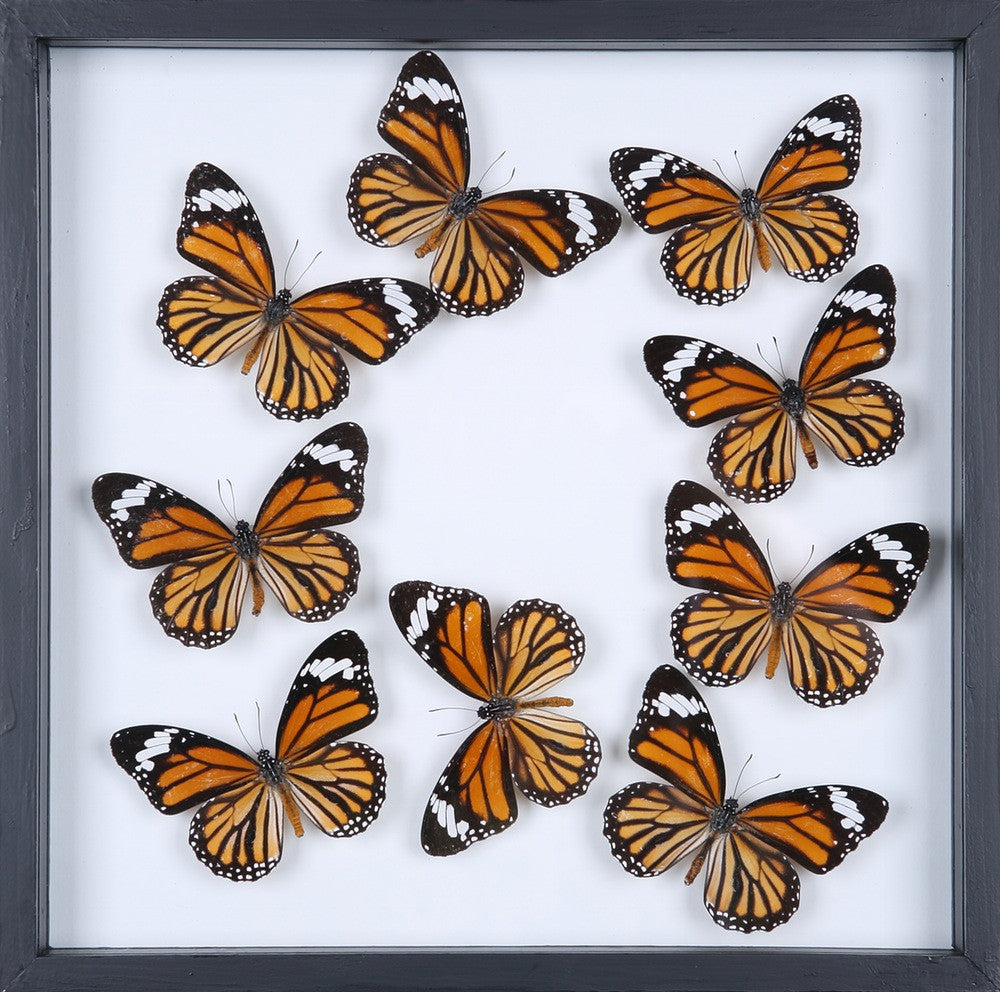
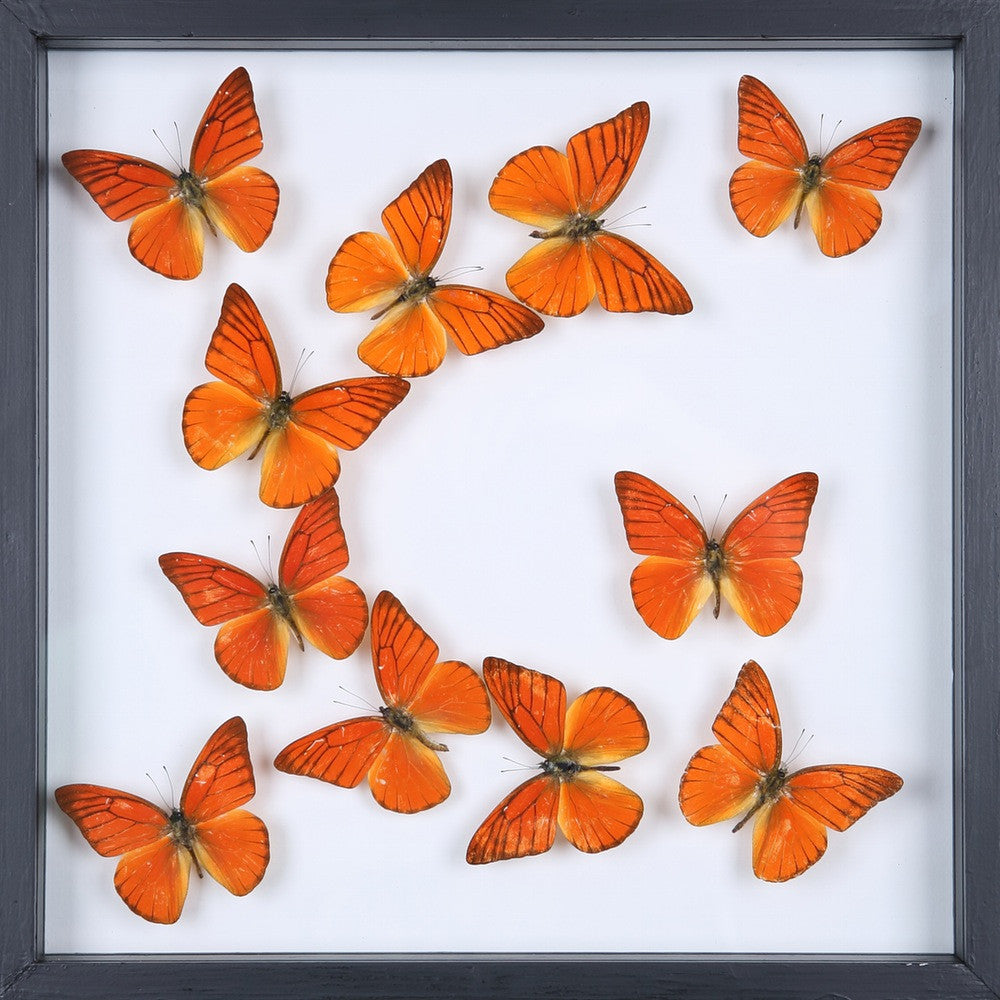
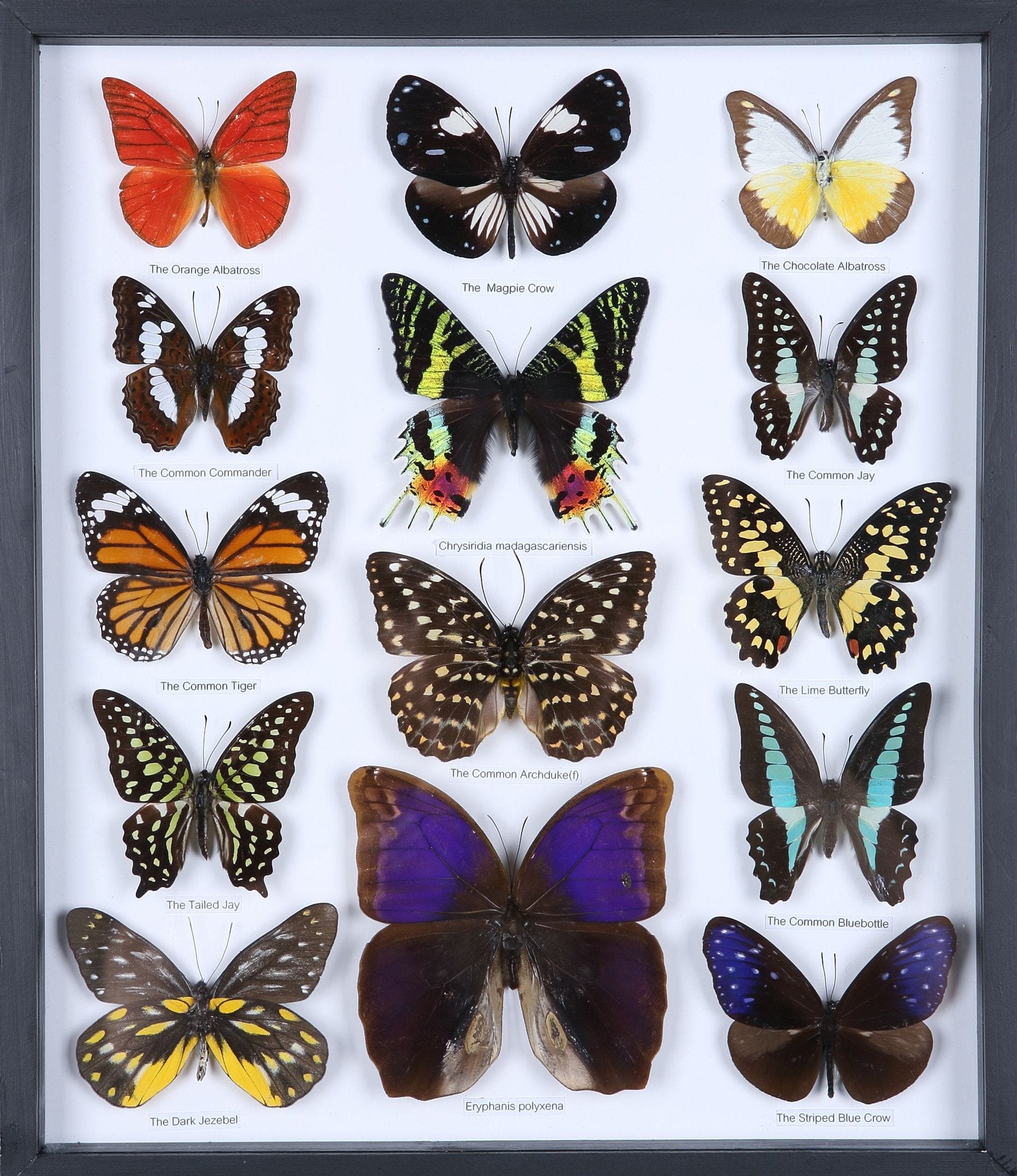
Browse our ethically sourced collection of museum-quality specimens. Every purchase supports sustainable farming and habitat conservation.
Shop Ethically Sourced Specimens →