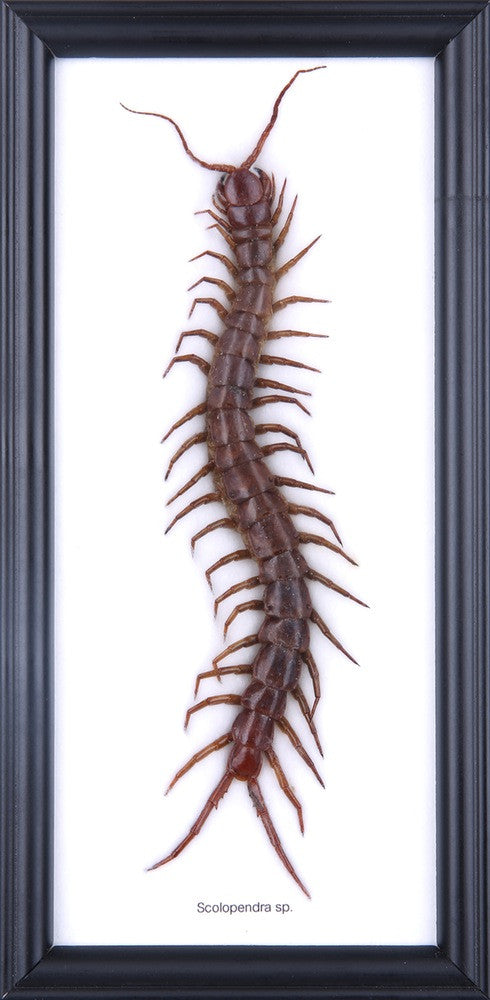
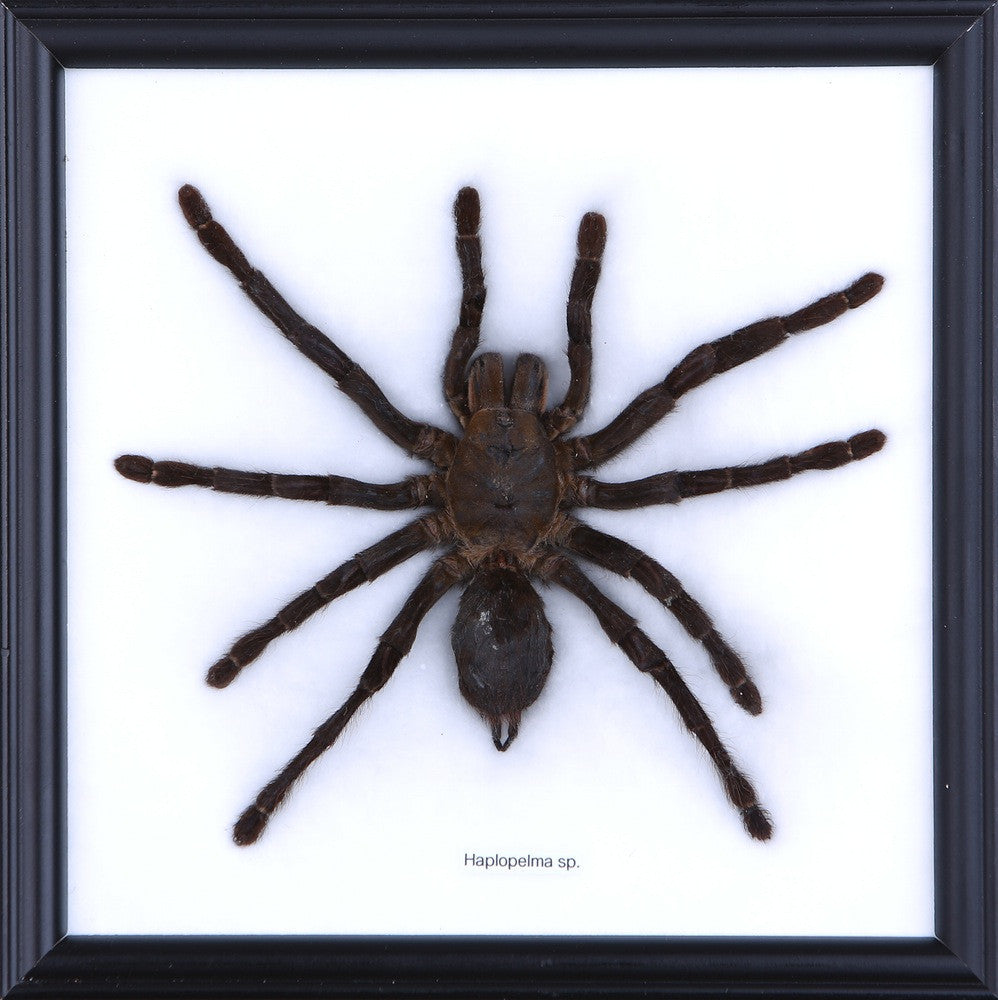
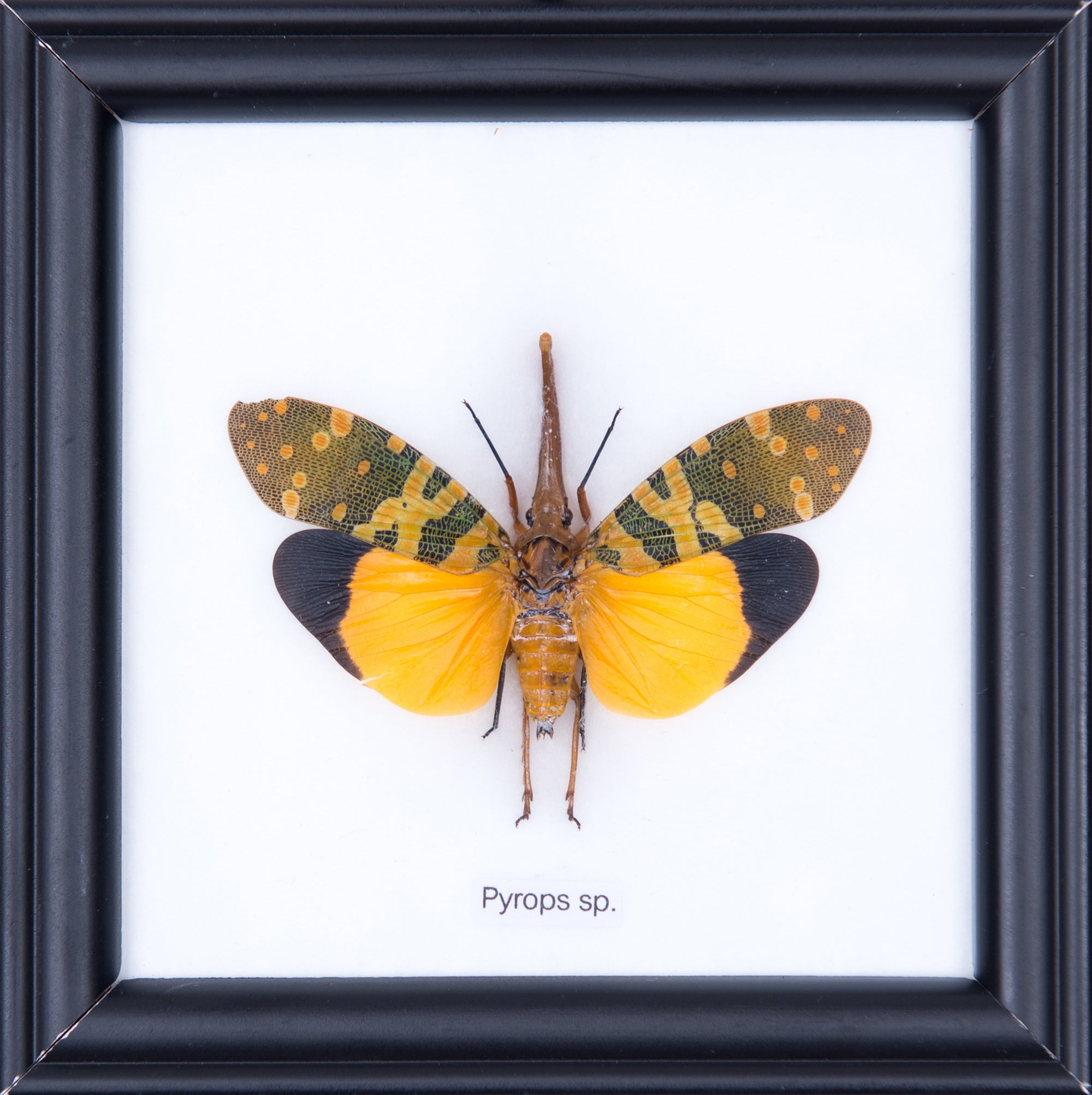
Get your package anywhere!
Welcome to BugsDirect Ltd. Leading Suppliers of Worldwide Entomology Specimens (Retail/Wholesale)

Europe is home to approximately 440 butterfly species, representing a diverse and well-documented fauna ranging from Arctic Scandinavia to Mediterranean islands and from Atlantic coasts to the Ural Mountains. From the iconic Apollo of alpine meadows to the brilliant Purple Emperor of ancient woodlands, European butterflies showcase remarkable adaptations to the continent's varied climates, landscapes, and millennia of human influence.
This comprehensive guide explores the natural history, identification features, and ecology of Europe's most notable butterfly families and species.
European butterflies belong to five main families: Papilionidae (swallowtails and apollos), Pieridae (whites and yellows), Lycaenidae (blues, coppers and hairstreaks), Nymphalidae (brushfoots including fritillaries, admirals and browns), and Hesperiidae (skippers). The fauna reflects Europe's position at the western edge of the Palearctic region, with strong connections to Asian species and unique Mediterranean endemics.
Butterfly diversity peaks in southern Europe, particularly in the Mediterranean basin, Iberian Peninsula, and mountain regions like the Alps and Pyrenees. Northern Europe has fewer species but often spectacular abundance during brief summer seasons. Many European butterflies have declined dramatically due to agricultural intensification, making conservation a critical priority.
Large, spectacular butterflies with 12 species in Europe. Includes both lowland swallowtails and mountain apollos.
Notable Species:
Swallowtail (Papilio machaon)
Europe's most widespread swallowtail, found from Britain to the Urals. Large butterfly (wingspan 65-86mm) with yellow wings marked with black and blue, and distinctive tail streamers. British subspecies britannicus is restricted to Norfolk Broads fenland. Continental populations are widespread in meadows, gardens, and mountains up to 2,000 metres. Larvae feed on umbellifers including wild carrot, fennel, and milk-parsley. Adults are powerful fliers, often seen hilltoping and visiting thistles, knapweeds, and scabious.
Scarce Swallowtail (Iphiclides podalirius)
Elegant pale yellow butterfly with bold black stripes and long tail streamers (wingspan 70-90mm). Found in southern and central Europe in warm, flowery hillsides and orchards. Larvae feed on blackthorn and other Prunus species. Adults have distinctive sailing flight.
Apollo (Parnassius apollo)
Iconic mountain butterfly with white wings marked with black spots and red eyespots (wingspan 70-84mm). Found in alpine and subalpine meadows from Spain to Scandinavia, typically above 1,000 metres. Highly variable with over 600 described subspecies and forms. Larvae feed on stonecrops (Sedum spp.). Protected throughout Europe; populations have declined due to habitat loss and collecting pressure. Adults are slow fliers, often seen basking on rocks.
Small Apollo (Parnassius phoebus)
Smaller than Apollo (wingspan 50-60mm) with more extensive red markings. Found in high mountain regions of Alps and Pyrenees, typically above 1,800 metres. Larvae feed on saxifrages. Extremely localized and vulnerable to climate change.
Medium-sized butterflies with about 40 European species. Includes some of the continent's most familiar and abundant butterflies.
Notable Species:
Large White (Pieris brassicae)
Common and widespread butterfly (wingspan 60-70mm) found throughout Europe. White with black wingtips; females have two black spots on forewings. Migratory species, with continental populations supplementing British residents. Larvae are the familiar yellow and black caterpillars that feed gregariously on cabbages and other brassicas. Adults are strong fliers, often seen in gardens and agricultural areas.
Small White (Pieris rapae)
Europe's most abundant butterfly, found in virtually every habitat (wingspan 40-50mm). Smaller and daintier than Large White with grey-black wingtips. Introduced to North America, Australia, and New Zealand. Larvae feed on brassicas. Multiple generations from March to October.
Green-veined White (Pieris napi)
Similar to Small White but with greenish veins on underwings (wingspan 40-52mm). Prefers damper habitats including woodland rides, hedgerows, and damp meadows. Larvae feed on garlic mustard, cuckooflower, and watercress. Less associated with gardens than other whites.
Orange-tip (Anthocharis cardamines)
Distinctive spring butterfly with males showing brilliant orange wingtips (wingspan 40-50mm). Females lack orange and are often confused with other whites. Found in damp meadows, woodland edges, and hedgerows across Europe. Larvae feed on garlic mustard, cuckooflower, and other crucifers. Adults emerge April-June, flying in a single generation.
Brimstone (Gonepteryx rhamni)
One of Europe's longest-lived butterflies, with adults surviving up to 13 months (wingspan 52-60mm). Males are bright sulphur-yellow; females are pale greenish-white. Distinctive leaf-shaped wings. Found in woodland edges, hedgerows, and scrub across Europe. Larvae feed on buckthorn and alder buckthorn. Adults hibernate and are often the first butterfly seen in spring, flying on warm February days.
Cleopatra (Gonepteryx cleopatra)
Southern European relative of Brimstone. Males have brilliant orange flush on forewings (wingspan 50-65mm). Found in Mediterranean regions. Larvae feed on buckthorns.
Clouded Yellow (Colias croceus)
Migrant species from North Africa and southern Europe (wingspan 50-58mm). Males are golden-yellow with dark borders; females show pale forms. Cannot survive northern European winters but arrives in spring and breeds during summer. Numbers vary dramatically between years. Larvae feed on clovers and other legumes.
Small, delicate butterflies with over 100 European species. Many exhibit brilliant metallic colours and complex ecological relationships.
Blues:
Common Blue (Polyommatus icarus)
Europe's most widespread blue butterfly (wingspan 28-36mm). Males are violet-blue; females are brown with orange spots. Found in grasslands, meadows, and coastal areas across Europe. Larvae feed on bird's-foot trefoil and other legumes, attended by ants. Two or three generations per year.
Adonis Blue (Polyommatus bellargus)
Spectacular butterfly with males showing brilliant sky-blue upperwings (wingspan 30-40mm). Found on chalk and limestone grasslands in southern and central Europe. Larvae feed on horseshoe vetch and are obligately associated with specific ant species. Two generations: May-June and August-September. Highly vulnerable to habitat loss.
Chalkhill Blue (Polyommatus coridon)
Large blue with males showing pale silvery-blue colouration (wingspan 33-40mm). Restricted to chalk and limestone grasslands. Larvae feed on horseshoe vetch with ant attendance. Single generation in July-August. Declining due to grassland loss and abandonment.
Large Blue (Phengaris arion)
Remarkable butterfly with extraordinary life cycle (wingspan 38-48mm). Larvae initially feed on thyme flowers, then drop to ground and are adopted by Myrmica sabuleti ants. Larvae spend 10 months in ant nests feeding on ant larvae. Extinct in Britain in 1979, successfully reintroduced from Sweden. Found in warm grasslands across Europe. Highly threatened throughout range.
Holly Blue (Celastrina argiolus)
Common garden butterfly (wingspan 26-34mm) with pale violet-blue colouration. Two generations: spring generation uses holly; summer generation uses ivy. Found in gardens, parks, and woodland edges across Europe. Less dependent on ants than other blues.
Coppers:
Small Copper (Lycaena phlaeas)
Brilliant copper-orange butterfly with black spots (wingspan 26-32mm). Common and widespread in grasslands, heaths, and gardens across Europe. Larvae feed on sorrels and docks. Multiple generations from April to October. Adults are territorial and aggressive despite small size.
Large Copper (Lycaena dispar)
Spectacular large copper (wingspan 35-40mm) with brilliant orange males. Extinct in Britain since 1851; continental subspecies introduced to fenland reserves. Found in wetlands and damp meadows. Larvae feed on great water dock. Highly threatened by wetland drainage.
Hairstreaks:
Green Hairstreak (Callophrys rubi)
Distinctive butterfly with emerald-green underwings (wingspan 27-34mm). Found in diverse habitats including heaths, grasslands, and woodland edges across Europe. Larvae feed on various plants including gorse, broom, and bilberry. Adults rest with wings closed, showing only green underside.
Purple Hairstreak (Favonius quercus)
Canopy-dwelling butterfly (wingspan 36-39mm) with purple iridescence on upperwings. Found in oak woodlands across Europe. Larvae feed on oak buds and leaves. Adults rarely descend from treetops, feeding on honeydew. Often overlooked despite being common.
White-letter Hairstreak (Satyrium w-album)
Small brown hairstreak (wingspan 30-36mm) with distinctive white W-mark on underwing. Associated with elm trees; declined dramatically following Dutch elm disease. Found in woodland edges and hedgerows. Larvae feed on elm flowers and leaves.
The largest and most diverse family with over 150 European species. Includes fritillaries, admirals, tortoiseshells, and browns.
Silver-washed Fritillary (Argynnis paphia)
Large, spectacular fritillary (wingspan 60-70mm) with orange wings marked with black spots and silver streaks on underwings. Found in woodland rides and clearings across Europe. Larvae feed on violets. Adults are powerful fliers, often seen feeding on bramble flowers and visiting woodland edges. Males patrol territories, investigating passing butterflies.
High Brown Fritillary (Argynnis adippe)
Large fritillary (wingspan 54-65mm) similar to Silver-washed but with different underwing pattern. Declining severely across Europe due to habitat loss. Found in warm grasslands and woodland edges. Larvae feed on violets. Requires complex habitat mosaic of bracken, scrub, and grassland.
Pearl-bordered Fritillary (Boloria euphrosyne)
Medium-sized fritillary (wingspan 42-46mm) of woodland clearings and moorland. Named for pearl-like spots on underwing borders. Declining due to woodland management changes. Larvae feed on violets. Requires early successional habitats with warm microclimates.
Marsh Fritillary (Euphydryas aurinia)
Distinctive fritillary (wingspan 42-50mm) with orange, yellow, and brown checkered pattern. Found in damp grasslands and moorland across Europe. Larvae feed gregariously on devil's-bit scabious, creating conspicuous silk webs. Populations fluctuate dramatically. Protected throughout Europe; highly vulnerable to agricultural intensification.
Purple Emperor (Apatura iris)
Magnificent canopy butterfly (wingspan 70-80mm). Males have iridescent purple sheen visible only at certain angles; females are larger and lack purple. Found in mature oak and sallow woodlands across Europe. Larvae feed on sallow. Adults rarely descend from canopy except to feed on carrion, dung, and tree sap. Males are territorial, spiraling upward in aerial combat. One of Europe's most sought-after butterflies.
Red Admiral (Vanessa atalanta)
Striking butterfly with velvety black wings marked with red bands and white spots (wingspan 56-62mm). Migratory species, moving northward from Mediterranean each spring. Found in gardens, parks, and woodland edges across Europe. Larvae feed on nettles. Adults feed on rotting fruit, tree sap, and nectar. Increasingly overwinters in northern Europe due to climate change.
Painted Lady (Vanessa cardui)
Cosmopolitan migrant found across Europe (wingspan 54-58mm). Orange, black, and white patterned wings. Cannot survive European winters; arrives from North Africa in spring, sometimes in enormous numbers. Larvae feed on thistles. One of the world's most widespread butterflies.
Small Tortoiseshell (Aglais urticae)
Familiar garden butterfly (wingspan 45-50mm) with orange wings marked with black and yellow patches and blue marginal spots. Found across Europe in gardens, meadows, and woodland edges. Larvae feed gregariously on nettles. Adults hibernate in buildings and hollow trees. Declining in parts of Europe, possibly due to parasitoid fly attacks.
Peacock (Aglais io)
Spectacular butterfly with large eyespots in red, yellow, blue, and black on russet background (wingspan 54-58mm). Found across Europe in gardens, parks, and woodland edges. Larvae feed on nettles. Adults hibernate and are long-lived. Eyespots serve as anti-predator defense, startling birds. Common garden visitor, especially to buddleia.
Comma (Polygonia c-album)
Distinctive butterfly with ragged wing edges and white comma mark on underwing (wingspan 44-48mm). Found in woodland edges, gardens, and hedgerows across Europe. Larvae feed on nettles, hops, and elms. Adults hibernate. Has expanded range northward in recent decades, likely due to climate change.
Camberwell Beauty (Nymphalis antiopa)
Large, striking butterfly with maroon wings bordered in cream-yellow (wingspan 62-75mm). Resident in Scandinavia and eastern Europe; rare migrant to Britain. Found in woodlands, particularly near birch and willow. Larvae feed gregariously on birch, willow, and elm. Adults are long-lived, hibernating and sometimes surviving over a year.
White Admiral (Limenitis camilla)
Elegant butterfly with black wings marked with white bands (wingspan 54-60mm). Found in shaded woodland rides across Europe. Larvae feed on honeysuckle. Adults have graceful, gliding flight and feed on bramble flowers and honeydew. Requires woodland with dappled shade and honeysuckle.
Meadow Brown (Maniola jurtina)
One of Europe's most abundant butterflies (wingspan 50-54mm). Brown with orange patches and eyespots. Found in grasslands, meadows, and woodland edges across Europe. Larvae feed on grasses. Adults fly June-September in a single long generation. Males patrol territories searching for females.
Gatekeeper (Pyronia tithonus)
Small brown butterfly (wingspan 40-48mm) with orange patches and distinctive double-pupiled eyespots. Found in hedgerows, woodland edges, and scrubby grassland. Larvae feed on grasses. Adults fly July-August, often seen basking on bramble leaves.
Ringlet (Aphantopus hyperantus)
Dark brown butterfly (wingspan 42-48mm) with distinctive rings of eyespots on underwings. Found in damp grasslands, woodland rides, and hedgerows. Larvae feed on grasses. Adults fly June-July, often in dull weather when other butterflies are inactive.
Speckled Wood (Pararge aegeria)
Woodland butterfly (wingspan 47-50mm) with brown wings marked with cream spots and eyespots. Unlike most butterflies, thrives in dappled shade rather than full sun. Found in woodland rides, shaded hedgerows, and gardens across Europe. Larvae feed on grasses. Males are highly territorial, spiraling upward in combat with rivals. Can overwinter as either larva or pupa.
Wall Brown (Lasiommata megera)
Orange-brown butterfly with eyespots (wingspan 44-46mm). Named for habit of basking on walls and bare ground. Found in grasslands, heaths, and coastal areas. Larvae feed on grasses. Declining severely across northern Europe, possibly due to climate change affecting larval development.
Marbled White (Melanargia galathea)
Distinctive black and white checkered butterfly (wingspan 46-56mm). Despite name and appearance, actually a member of the brown family. Found in unimproved grasslands, particularly on chalk and limestone. Larvae feed on fescues and other fine grasses. Single generation in July-August. Benefits from traditional hay meadow management.
Grayling (Hipparchia semele)
Large brown butterfly (wingspan 48-62mm) with cryptic underwing pattern. Found in heaths, coastal dunes, and rocky areas. Larvae feed on grasses. Adults rest with wings closed, tilted to minimize shadow—remarkable camouflage adaptation. Declining due to habitat loss and succession.
About 40 European species. Small butterflies with rapid, darting flight and distinctive hooked antennae.
Notable Species:
Large Skipper (Ochlodes sylvanus)
Common orange-brown skipper (wingspan 28-34mm) found in grasslands, woodland edges, and hedgerows. Larvae feed on grasses. Adults fly June-August, often seen basking with wings in distinctive half-open position.
Small Skipper (Thymelicus sylvestris)
Small orange skipper (wingspan 27-34mm) very similar to Essex Skipper. Found in grasslands and meadows. Larvae feed on grasses. Adults fly June-August.
Dingy Skipper (Erynnis tages)
Small grey-brown skipper (wingspan 27-34mm) resembling a moth. Found in grasslands, heaths, and woodland edges. Larvae feed on bird's-foot trefoil. Declining due to habitat loss.
Grizzled Skipper (Pyrgus malvae)
Small black and white checkered skipper (wingspan 23-29mm). Found in grasslands, woodland rides, and heaths. Larvae feed on wild strawberry, cinquefoils, and other rosaceous plants. Declining due to habitat loss and management changes.
Highest butterfly diversity in Europe, with many endemic species. Hot, dry summers and mild winters. Includes maquis, garrigue, and mountain habitats. Species adapted to drought and fire.
Unique high-altitude fauna including apollos, mountain ringlets, and alpine blues. Short growing season, harsh climate. Many species are glacial relicts isolated on mountain peaks. High endemism.
Mild, wet climate with year-round growth. Includes British Isles, western France, and Iberia. Grassland and heathland specialists. Lower diversity than continental Europe but important populations of declining species.
Historically rich butterfly fauna of steppes and meadows. Severely impacted by agricultural intensification. Remaining fragments support blues, coppers, and fritillaries.
Low diversity but unique fauna adapted to short summers and long winters. Includes arctic fritillaries, northern blues, and bog specialists. Biennial life cycles common.
European butterfly populations have declined dramatically, with studies showing 50% decline in grassland butterfly abundance since 1990. Key threatened species include:
Habitat restoration, agri-environment schemes, nature reserve management, reintroduction programs (Large Blue, Large Copper), and extensive monitoring through schemes like the UK Butterfly Monitoring Scheme and European Butterfly Monitoring Scheme.
Butterflies feature prominently in European art, literature, and folklore from ancient times. Greek mythology associated butterflies with the soul (psyche). Victorian collectors amassed vast butterfly collections, driving early taxonomy and biogeography. Modern Europe leads global butterfly conservation efforts.
Many European countries have national butterfly monitoring schemes and active conservation organizations. Butterflies serve as flagship species for grassland and woodland conservation.
Europe has the world's most extensive butterfly monitoring networks:
These programs provide critical data on population trends, climate change impacts, and conservation effectiveness.
Attract butterflies by planting native species:
Nectar Plants: Buddleia (native species), lavender, marjoram, thyme, knapweeds, scabious, thistles, hemp-agrimony, verbena, sedum
Larval Foodplants:
Garden Design: Create sunny, sheltered areas for basking, provide bare ground for puddling, avoid pesticides, leave areas of long grass, plant in masses, include early and late season flowers, create habitat diversity.
Recommended field guides and resources:
BugsDirect specializes in museum-quality entomological specimens from around the world, including ethically sourced European butterfly specimens. Explore our butterfly collection or contact us for information about Palearctic Lepidoptera specimens for educational and collection purposes.