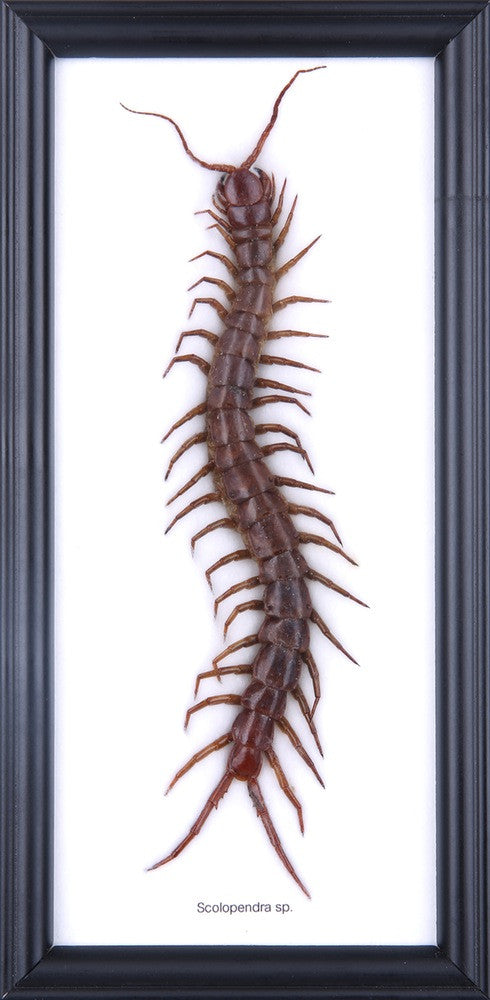
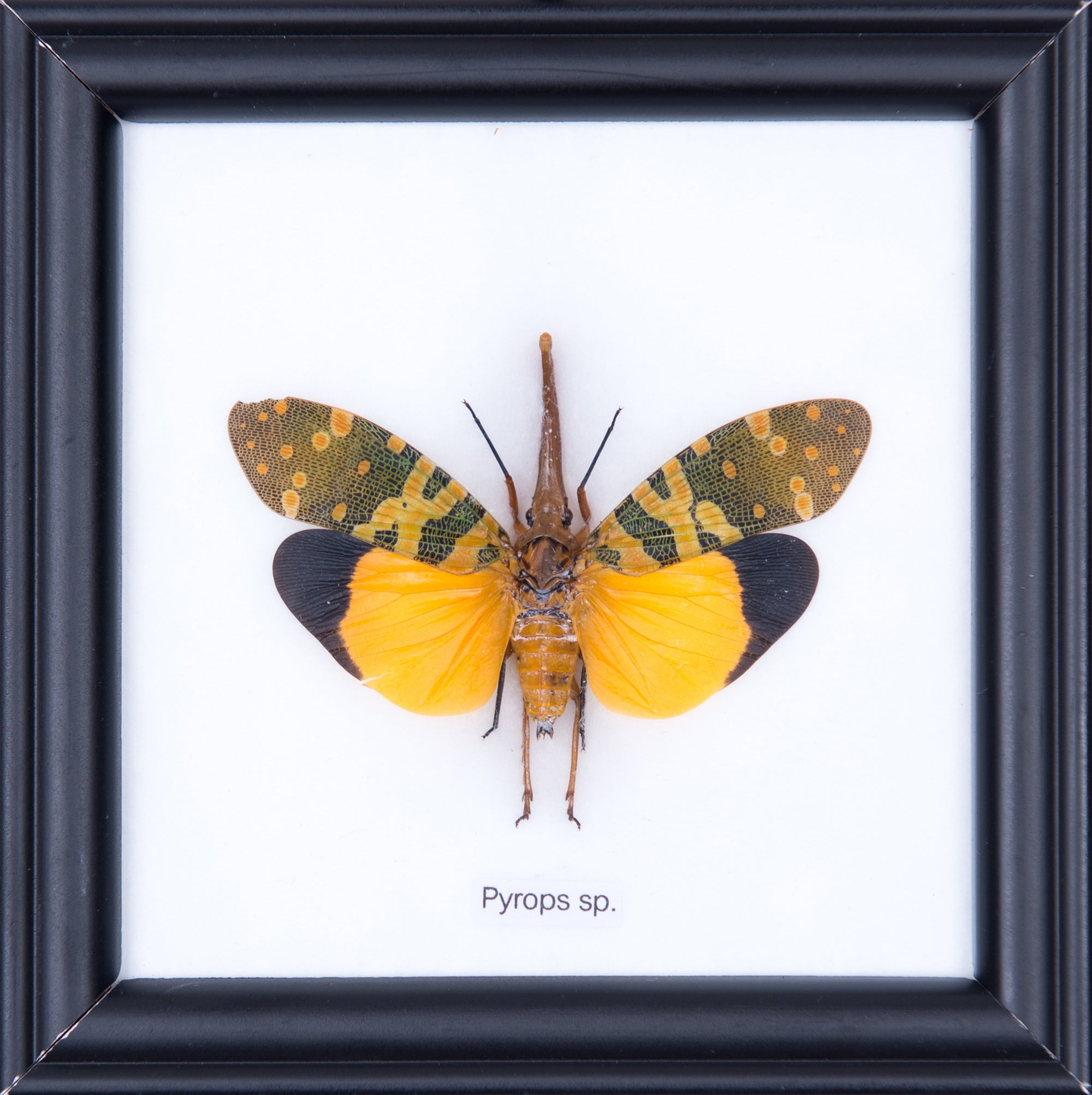
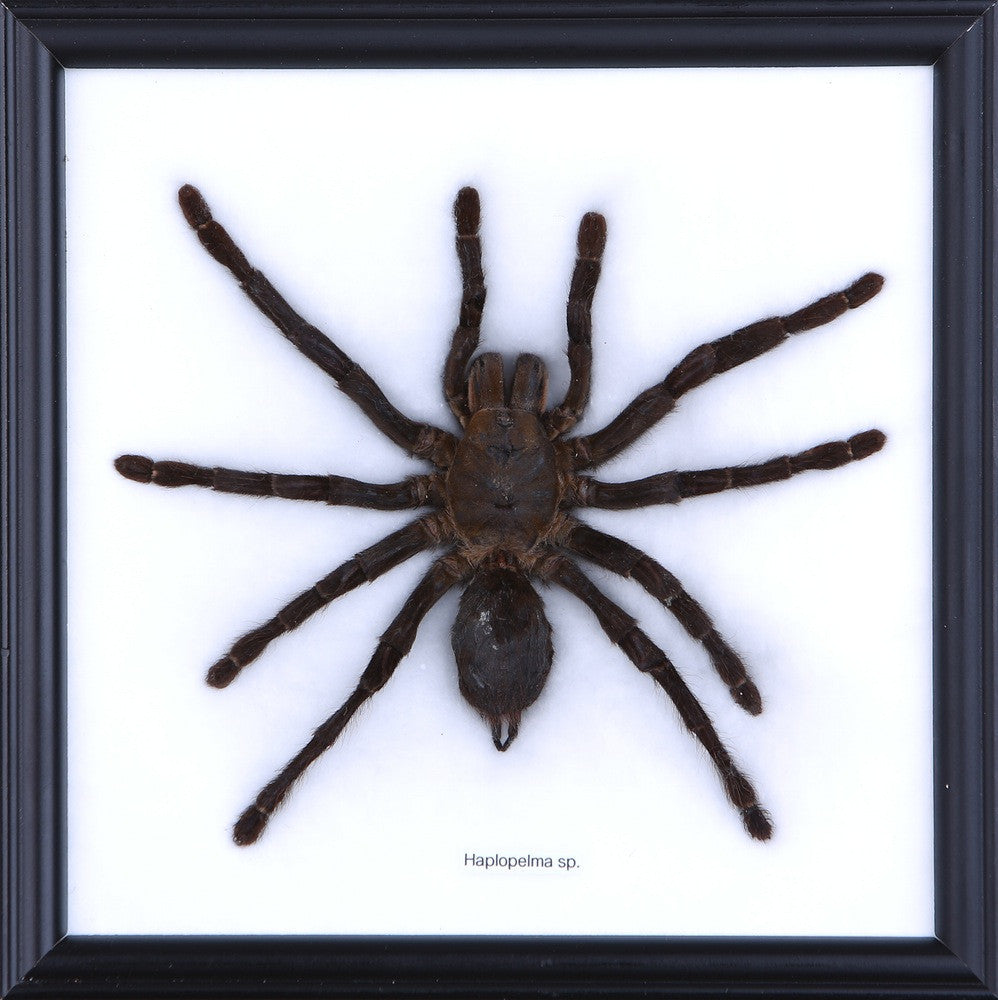
Softening dried insects—a process called "relaxing"—is essential for pinning and spreading specimens that have become stiff and brittle. Using a relaxing chamber to rehydrate dried insects allows you to position wings, legs, and antennae without damage, making it possible to create museum-quality displays from specimens collected days, months, or even years earlier.
Why Insects Need to Be Softened
The Problem with Dried Insects
When insects die and dry out naturally, they become rigid and brittle:
- Wings become stiff and impossible to spread without breaking
- Legs and antennae snap off with minimal pressure
- Bodies become hard and difficult to pin
- Attempting to position dried specimens causes irreparable damage
When Relaxing Is Necessary
- Specimens stored in envelopes (papered butterflies)
- Insects collected in the field and dried for transport
- Old specimens that need repositioning or repair
- Beetles and bugs stored loose in boxes
- Any specimen that has been dry for more than 24-48 hours
The Relaxing Chamber Method (Standard Technique)
What You'll Need
- Airtight container (plastic storage box with tight-fitting lid)
- Moisture source: wet sand, damp paper towels, or sponge
- Platform or screen to elevate specimens above water
- Mold inhibitor: white vinegar, phenol, or thymol
- Paper towels or tissue
- Labels to track specimens
Step-by-Step Setup
1. Prepare the Moisture Source
- Add 1-2 inches of clean sand to container bottom and saturate with water
- OR place several layers of damp (not dripping) paper towels in bottom
- Sand method is preferred—maintains more consistent humidity
- Ensure no standing water pools in container
2. Add Mold Prevention
- Add 1-2 tablespoons of white vinegar to the water/sand
- OR add a few drops of phenol or carbolic acid
- OR place a small amount of thymol crystals in the chamber
- This prevents mold growth during the relaxing process
3. Create a Platform
- Place a screen, mesh, or perforated platform above the moisture source
- Specimens should not touch the water directly
- Platform allows humidity to reach specimens from below
- Crumpled paper towels can work as a simple platform
4. Add Your Specimens
- Place dried insects on the platform
- Don't overcrowd—allow air circulation around each specimen
- Keep specimens in their envelopes if papered
- Include labels so you can track which specimens are which
5. Seal and Wait
- Close the container tightly to maintain humidity
- Place in a warm location (20-25°C / 68-77°F)
- Warmth speeds the relaxing process
- Do not place in direct sunlight
Relaxing Time by Insect Type
Small, Delicate Insects (12-24 hours)
- Small butterflies and moths
- Flies and small bees
- Delicate-bodied insects
Medium Insects (24-48 hours)
- Most butterflies and moths
- Medium beetles
- Dragonflies and damselflies
- True bugs
Large, Robust Insects (48-72 hours)
- Large moths (Atlas, Luna, etc.)
- Large beetles (Goliath, Hercules, etc.)
- Grasshoppers and mantids
- Cicadas
Very Old or Extremely Dry Specimens (3-7 days)
- Specimens dried for months or years
- Very large-bodied insects
- Check daily and extend time as needed
Testing for Readiness
Check specimens periodically to avoid over-relaxing:
- Gently try to move a leg or antenna with forceps
- Should bend smoothly without resistance or breaking
- Wings should flex slightly when touched
- Body should have some give when gently pressed
- If still stiff, return to chamber for 12-24 more hours
- If too soft or limp, remove and allow to dry slightly (1-2 hours)
Alternative Relaxing Methods
Hot Water Method (Quick Relaxing)
For urgent situations or very small insects:
- Boil water and let cool to just below boiling
- Hold specimen over steam for 30-60 seconds using forceps
- OR place in sealed container with hot damp towel for 15-30 minutes
- Works quickly but risks damage if overheated
- Not recommended for delicate butterflies
Injection Method (For Large-Bodied Insects)
For grasshoppers, mantids, and large beetles:
- Use a fine syringe to inject water or relaxing solution into body cavity
- Inject through soft membranes between body segments
- Softens from inside out
- Speeds relaxing of thick-bodied specimens
- Requires practice to avoid damage
Ammonia Method (Museum Technique)
For very old or stubborn specimens:
- Add a few drops of household ammonia to relaxing chamber
- Ammonia helps break down dried tissues
- Use sparingly—too much can damage specimens
- Work in well-ventilated area
- Not necessary for most specimens
Common Relaxing Problems and Solutions
Problem: Mold Growth on Specimens
Causes:
- Insufficient mold inhibitor in chamber
- Specimens left too long in high humidity
- Chamber too warm
Solutions:
- Add more vinegar or phenol to chamber
- Check specimens more frequently
- Remove and gently brush off mold with soft brush
- Re-dry specimen and start over with fresh chamber
Problem: Specimens Still Brittle After 72 Hours
Causes:
- Insufficient humidity in chamber
- Specimens very old or heavily dried
- Container not properly sealed
Solutions:
- Add more water to sand/towels
- Check seal on container
- Try injection method for large specimens
- Continue relaxing for several more days
Problem: Wings or Legs Falling Off
Causes:
- Over-relaxing (too soft)
- Specimen damaged before relaxing
- Rough handling during testing
Solutions:
- Remove from chamber immediately
- Allow to dry slightly before pinning
- Handle only with fine forceps
- Reattach parts with archival glue if necessary
Problem: Uneven Softening
Causes:
- Thick body vs. thin wings relax at different rates
- Some parts touching moisture source
Solutions:
- This is normal—wings relax faster than bodies
- Pin when wings are pliable even if body still slightly stiff
- Ensure specimens elevated evenly on platform
After Relaxing: Immediate Pinning
Work quickly once specimens are relaxed:
- Remove specimens from chamber one at a time
- Pin and spread immediately while still pliable
- Relaxed specimens will re-stiffen within hours if not pinned
- If you can't pin immediately, return to chamber
- Don't leave relaxed specimens sitting out—they'll dry unevenly
Tips for Success
Best Practices
- Label specimens before placing in chamber
- Check daily to prevent over-relaxing and mold
- Keep a log of when each specimen entered the chamber
- Use separate chambers for different insect types if possible
- Replace sand/towels if they develop mold
- Clean and dry chamber completely between uses
What Not to Do
- Don't submerge specimens in water—damages colors and structure
- Don't use hot water directly on delicate butterflies
- Don't leave specimens in chamber for weeks—mold will develop
- Don't skip mold inhibitor—it's essential
- Don't overcrowd the chamber—reduces air circulation
Relaxing Specific Insect Types
Butterflies and Moths
- Keep in glassine envelopes during relaxing
- 24-48 hours typically sufficient
- Test by gently flexing wing base
- Spread immediately after removing from chamber
Beetles
- Can be placed directly on platform
- Legs and antennae relax faster than body
- 24-48 hours for most species
- Large species may need 3-5 days
Dragonflies and Damselflies
- Very delicate—check frequently
- 24-36 hours usually sufficient
- Wings relax quickly but abdomen takes longer
- Handle with extreme care when relaxed
Grasshoppers and Mantids
- Large bodies require 48-72 hours minimum
- Consider injection method to speed process
- Legs relax before body
- May need internal support when pinning
Professional Alternative
Relaxing and pinning insects requires patience, proper equipment, and considerable skill. Many collectors prefer professionally prepared specimens that eliminate the need for relaxing chambers and technical preparation, offering:
- Expert spreading and positioning
- No risk of mold or damage during relaxing
- Immediate display readiness
- Museum-quality results
- Ethical sourcing documentation
Ready-to-Display Specimens
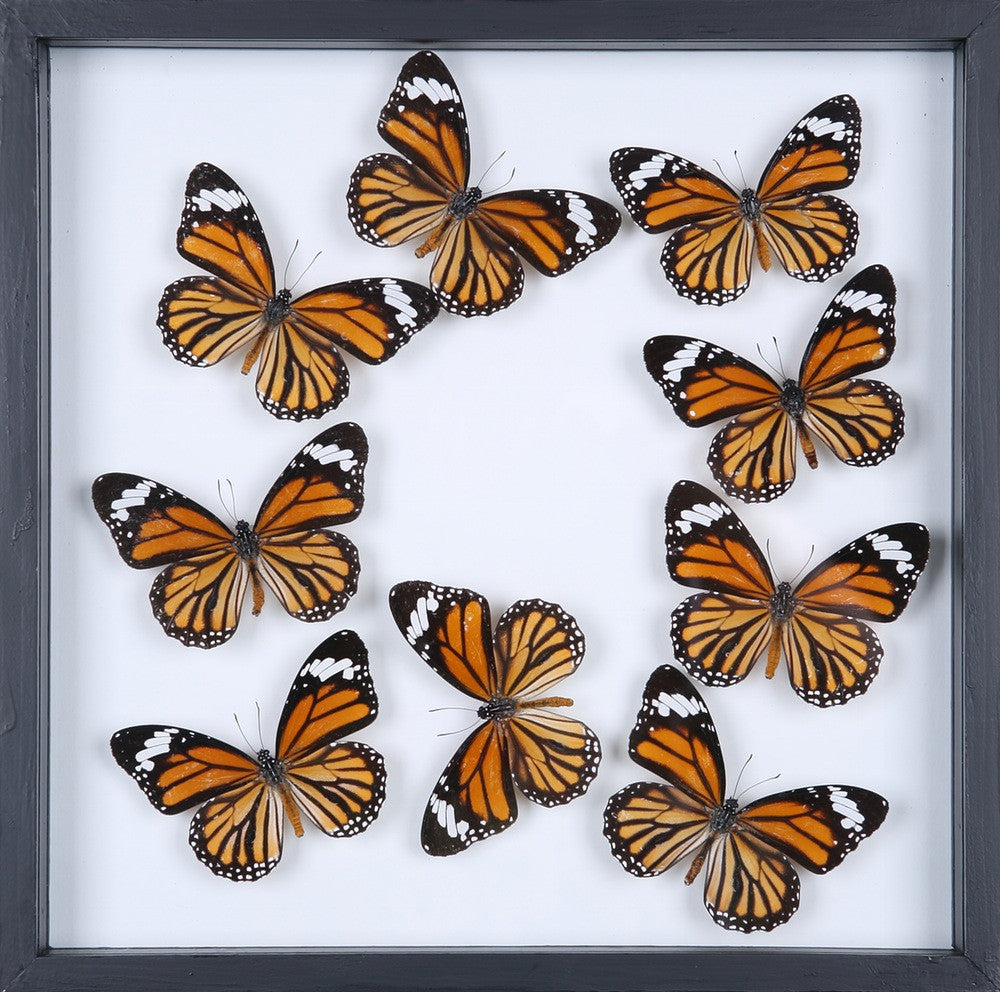
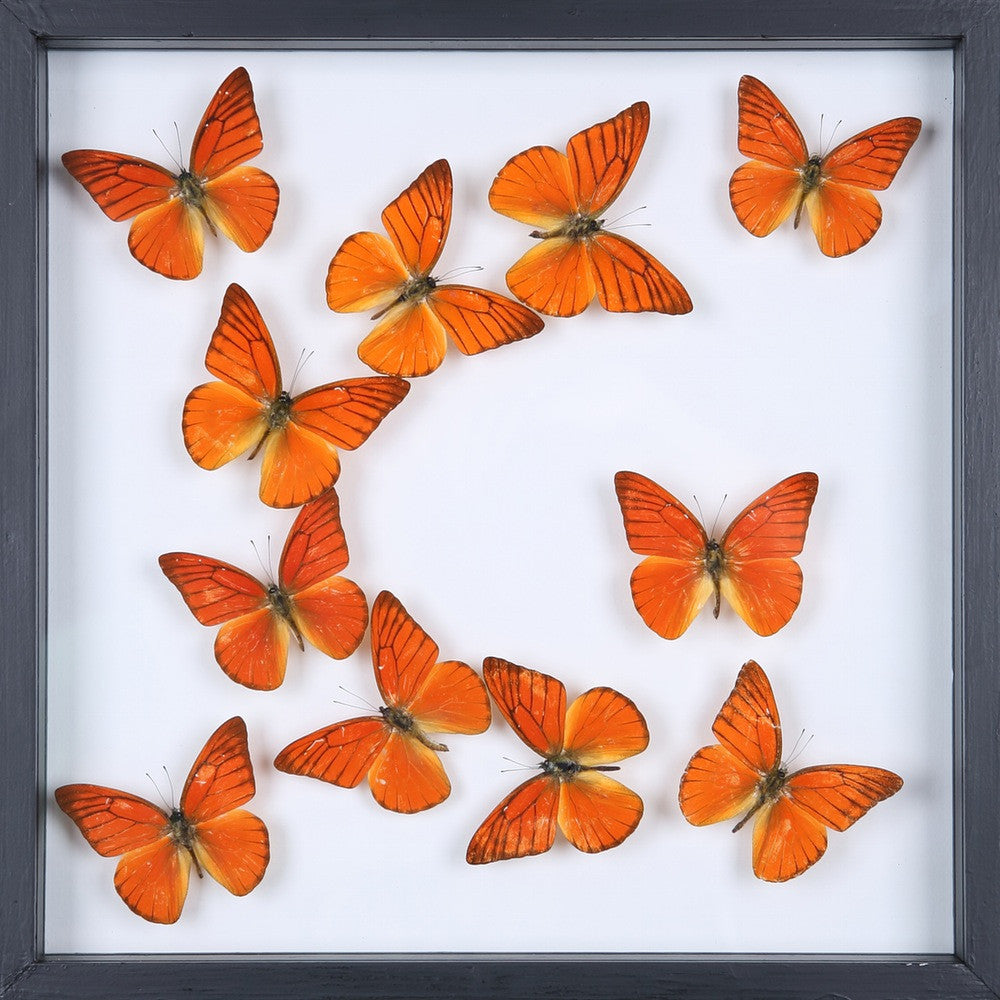
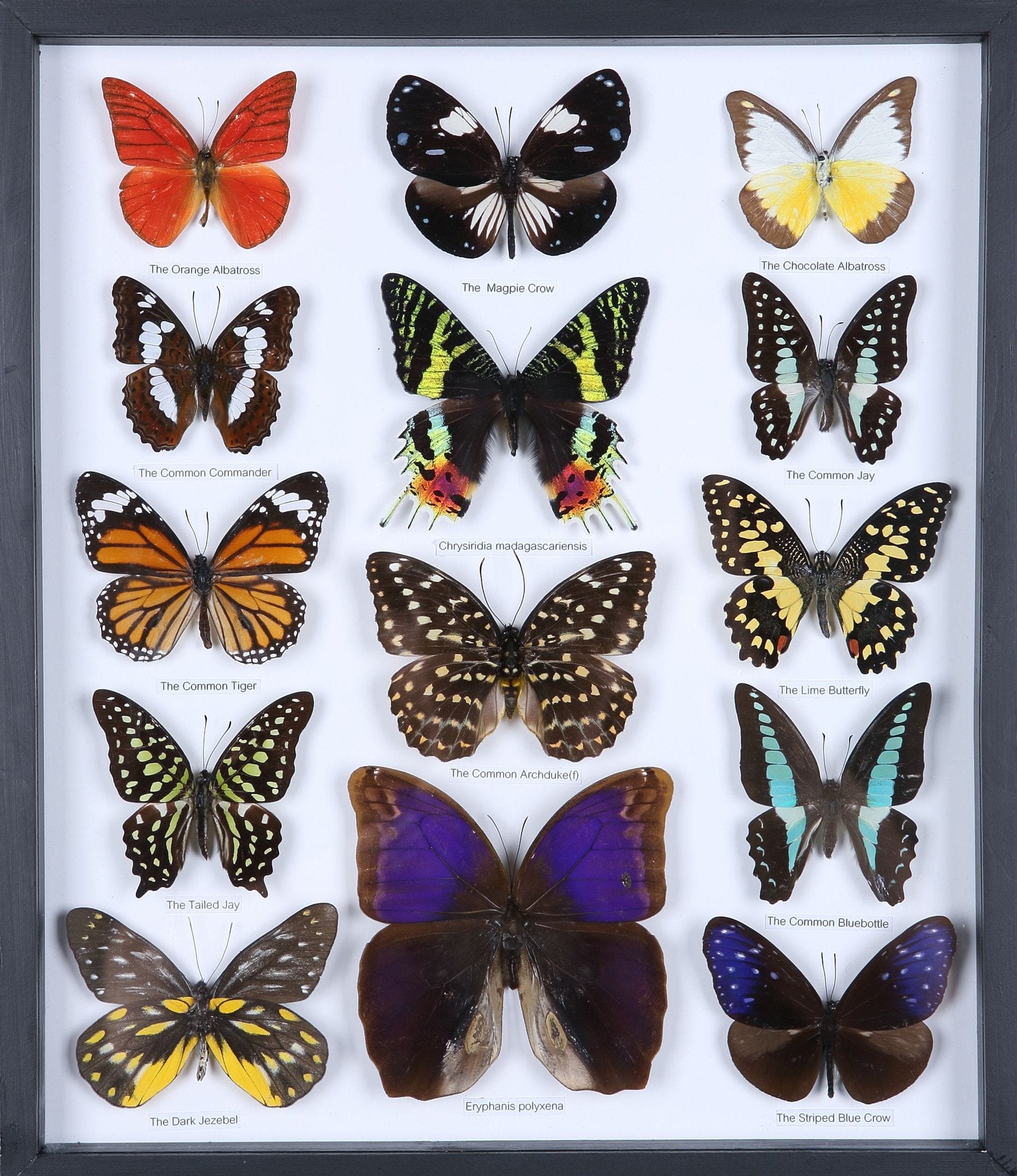
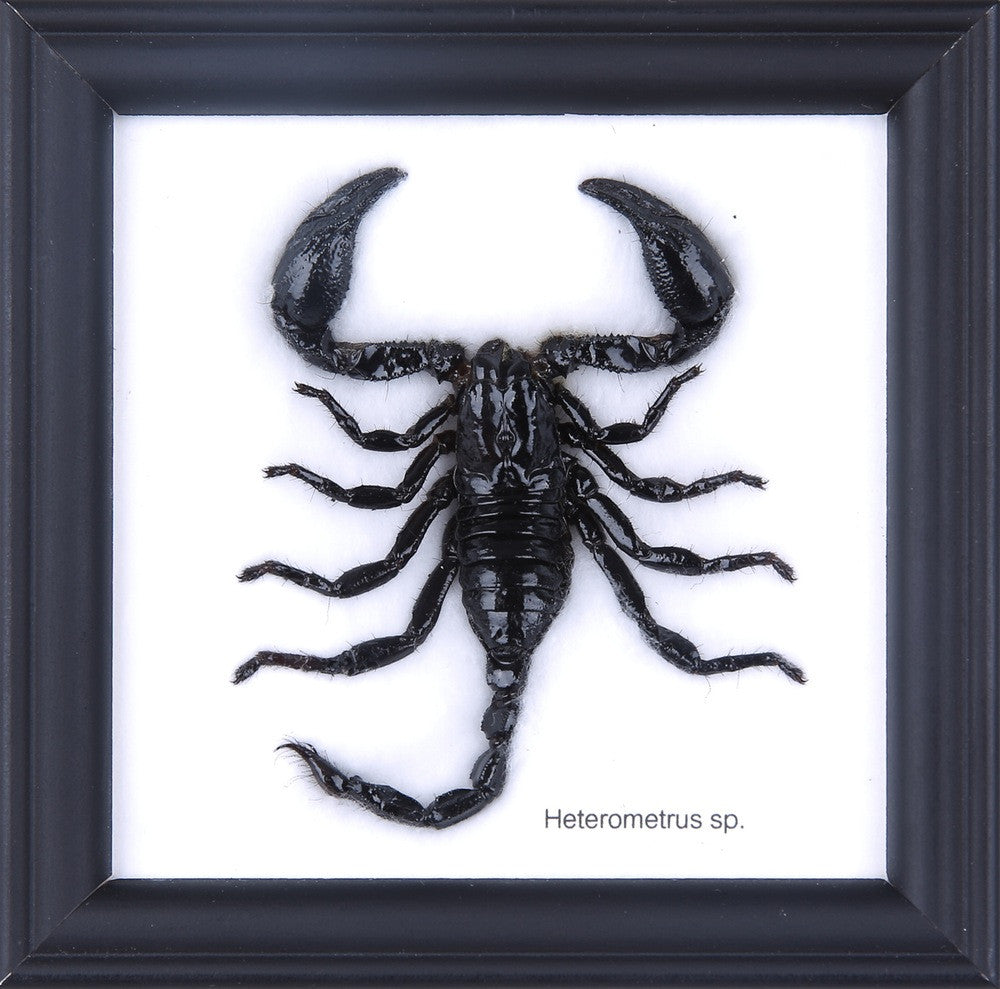
Our collection features professionally prepared insects that have been expertly relaxed, spread, and mounted by skilled entomologists. Every specimen is ready for immediate display, eliminating the complexity of the relaxing process while ensuring museum-quality results.
Explore Our Professional Collection