Understanding Our Specimen Quality Grades
At Bugs Direct, we maintain rigorous quality standards for all our preserved specimens. Our grading system ensures transparency and helps you select the perfect specimens for your collection, whether you're seeking museum-quality display pieces or study specimens for educational purposes.
Every specimen is carefully inspected and graded according to strict criteria before being listed for sale. Understanding our grading system will help you make informed purchasing decisions and ensure your expectations are met.
Our Three-Tier Grading System
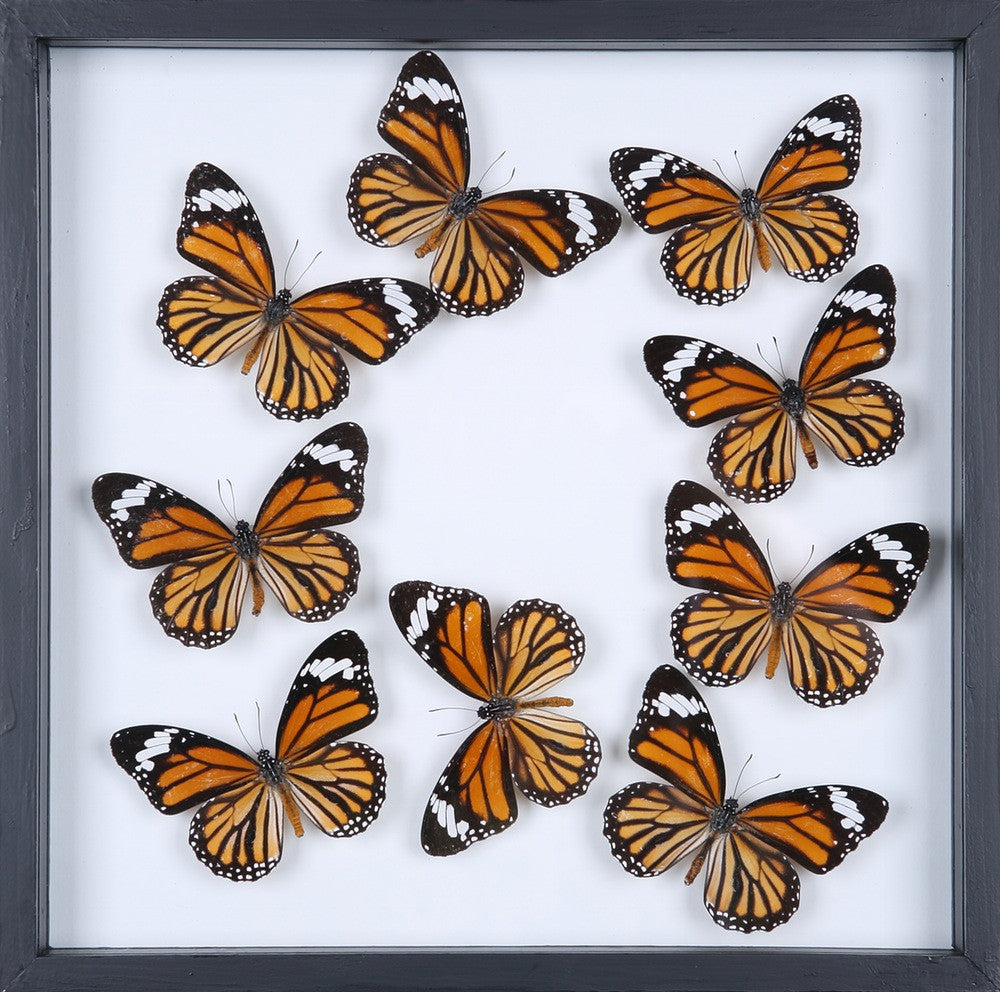
A1 Grade - Museum Quality (Premium)
Definition: Perfect specimens with no damage, complete antennae/legs, vibrant colours, and museum-quality preservation.
Characteristics:
-
Perfect symmetry - Wings spread evenly with precise alignment
-
Complete anatomy - All antennae, legs, and body segments intact
-
No damage - Zero tears, holes, or missing scales on wings
-
Vibrant colours - Full colour saturation with no fading
-
Flawless preservation - Expert mounting with proper pinning technique
-
Clean condition - Free from dust, debris, or handling marks
Best For:
- High-end collectors seeking investment-quality pieces
- Framed display specimens for homes and offices
- Gallery and museum exhibitions
- Gift purchases where presentation is paramount
- Photography and professional documentation
Pricing: Premium pricing reflects the rarity and perfection of these specimens. A1 grade represents the top 10-15% of available specimens.
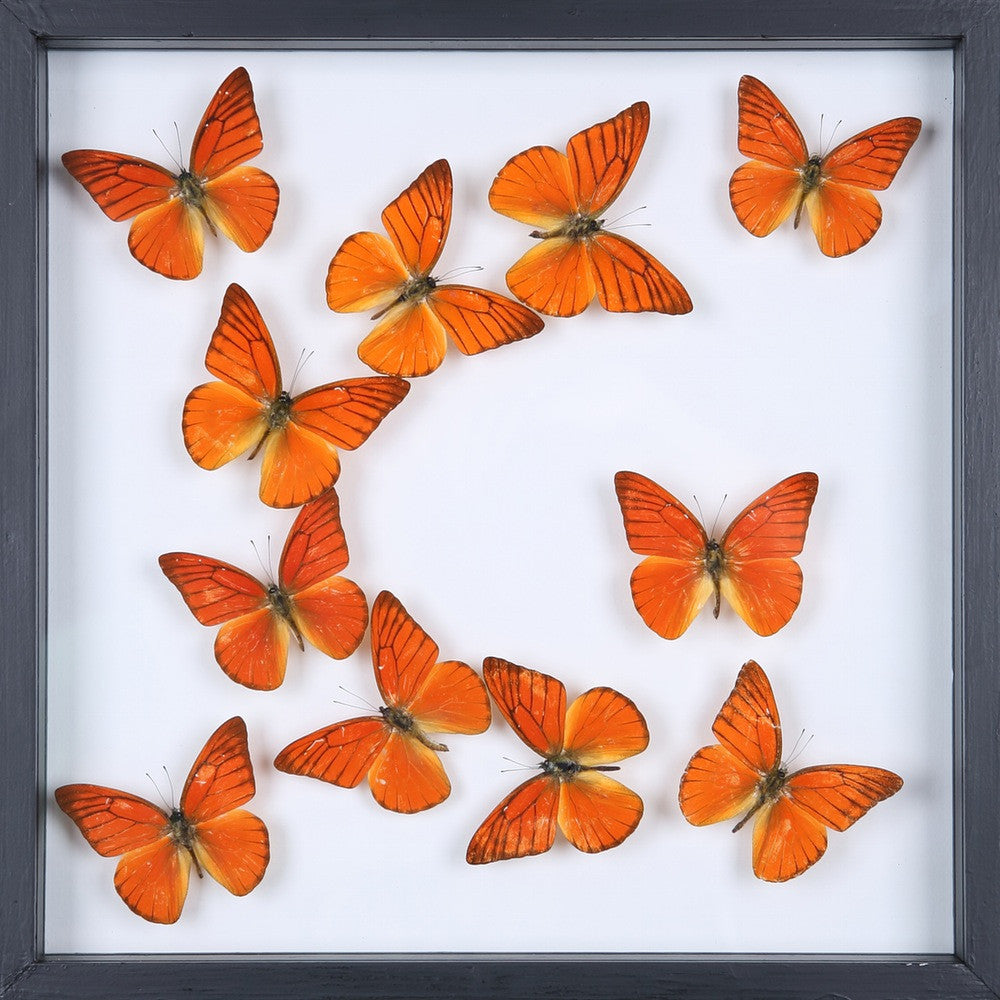
A1- Grade - Near-Perfect Quality (Excellent)
Definition: Near-perfect specimens with minor imperfections that don't affect overall display quality.
Characteristics:
-
Excellent overall condition - 95%+ perfect with very minor flaws
-
Nearly complete anatomy - May have one minor antenna tip missing or slight leg damage
-
Minimal imperfections - Tiny scale loss in non-prominent areas, slight asymmetry
-
Strong colours - Vibrant with perhaps very minor fading in small areas
-
Professional preservation - Properly mounted with expert technique
-
Display-worthy - Imperfections not noticeable from normal viewing distance
Common Minor Imperfections:
- Single antenna tip missing (less than 10% of length)
- One or two tarsal segments missing from legs
- Tiny scale loss on wing edges (less than 2mm)
- Very slight wing asymmetry (1-2mm difference)
- Minor colour variation within natural range
Best For:
- Collectors seeking excellent quality at better value
- Display specimens where minor flaws won't be noticed
- Building larger collections cost-effectively
- Educational displays and teaching collections
- Wholesale customers requiring high standards
Pricing: Typically 10-20% less than A1 grade, offering excellent value for near-perfect quality.
A2 Grade - Good Quality (Study Grade)
Definition: Good quality specimens with slight damage or missing minor appendages, suitable for study or budget collections.
Characteristics:
-
Solid overall condition - 80-90% intact with noticeable but limited damage
-
Mostly complete anatomy - May be missing antennae, several legs, or have body damage
-
Visible imperfections - Wing tears, holes, or significant scale loss in some areas
-
Good colours - May show some fading or colour variation
-
Acceptable preservation - Properly dried and mounted, though may show age or handling
-
Functional for study - All key identification features remain visible
Common Imperfections:
- Missing one or both antennae
- Multiple legs missing or damaged
- Wing tears or holes (typically 5-15mm)
- Noticeable scale loss affecting pattern visibility
- Colour fading in portions of wings
- Slight body damage or separation
- Minor asymmetry in wing positioning
Best For:
- Educational institutions and teaching collections
- Scientific study and research specimens
- Budget-conscious collectors building reference collections
- Craft projects and artistic applications
- Practice specimens for learning preservation techniques
- Customers prioritizing species diversity over perfection
Pricing: Significantly discounted (30-50% less than A1), making rare species accessible to more collectors.
How We Grade Specimens
Inspection Process:
-
Visual examination - Specimens inspected under bright lighting from multiple angles
-
Anatomical assessment - All body parts checked for completeness and condition
-
Wing evaluation - Symmetry, scale integrity, colour vibrancy, and damage assessed
-
Preservation quality - Mounting technique, pin placement, and overall presentation reviewed
-
Photographic documentation - Images taken to accurately represent condition
-
Grade assignment - Specimen classified according to strictest applicable criteria
Grading Standards:
- We grade conservatively - borderline specimens receive the lower grade
- All imperfections are disclosed in product descriptions
- Photos accurately represent actual specimen condition
- Grades are consistent across all species and product types
Choosing the Right Grade for Your Needs
Choose A1 Grade If:
- You're purchasing a centerpiece specimen for prominent display
- You collect for investment or resale value
- You require perfection for photography or professional use
- You're buying a gift and want guaranteed excellence
- You're willing to pay premium prices for flawless quality
Choose A1- Grade If:
- You want excellent quality at better value
- You're building a larger collection and need cost efficiency
- Minor imperfections won't affect your enjoyment or display
- You prioritize overall appearance over absolute perfection
- You're purchasing wholesale and need consistent high quality
Choose A2 Grade If:
- You're focused on species diversity over specimen perfection
- You need study specimens for educational purposes
- You're working within a tight budget
- You're using specimens for craft or artistic projects
- You want to acquire rare species at accessible prices
Grade-Specific Guarantees
All Grades Include:
- Pest-free guarantee - All specimens treated and inspected
- Accurate species identification with scientific names
- Proper preservation using museum-quality techniques
- Secure packaging to prevent shipping damage
- Satisfaction guarantee - Returns accepted if grade misrepresented
Photography Policy:
- Product photos show actual specimens or representative examples
- Multiple angles provided when possible
- Imperfections visible in photos are disclosed in descriptions
- Wholesale lots may show sample specimens; individual variation expected
Grading Across Different Specimen Types
Our grading system applies to all specimen categories with type-specific criteria:
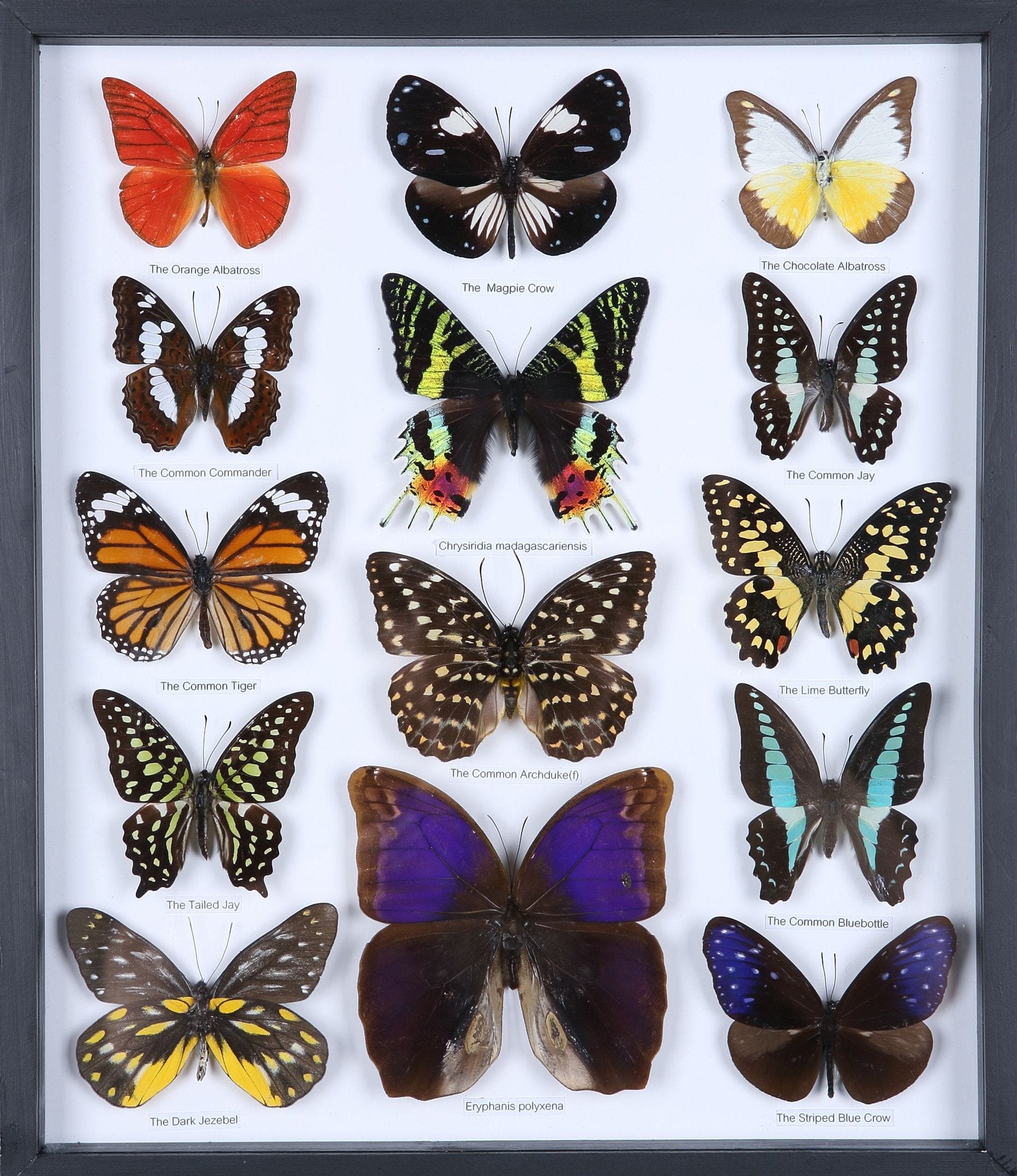
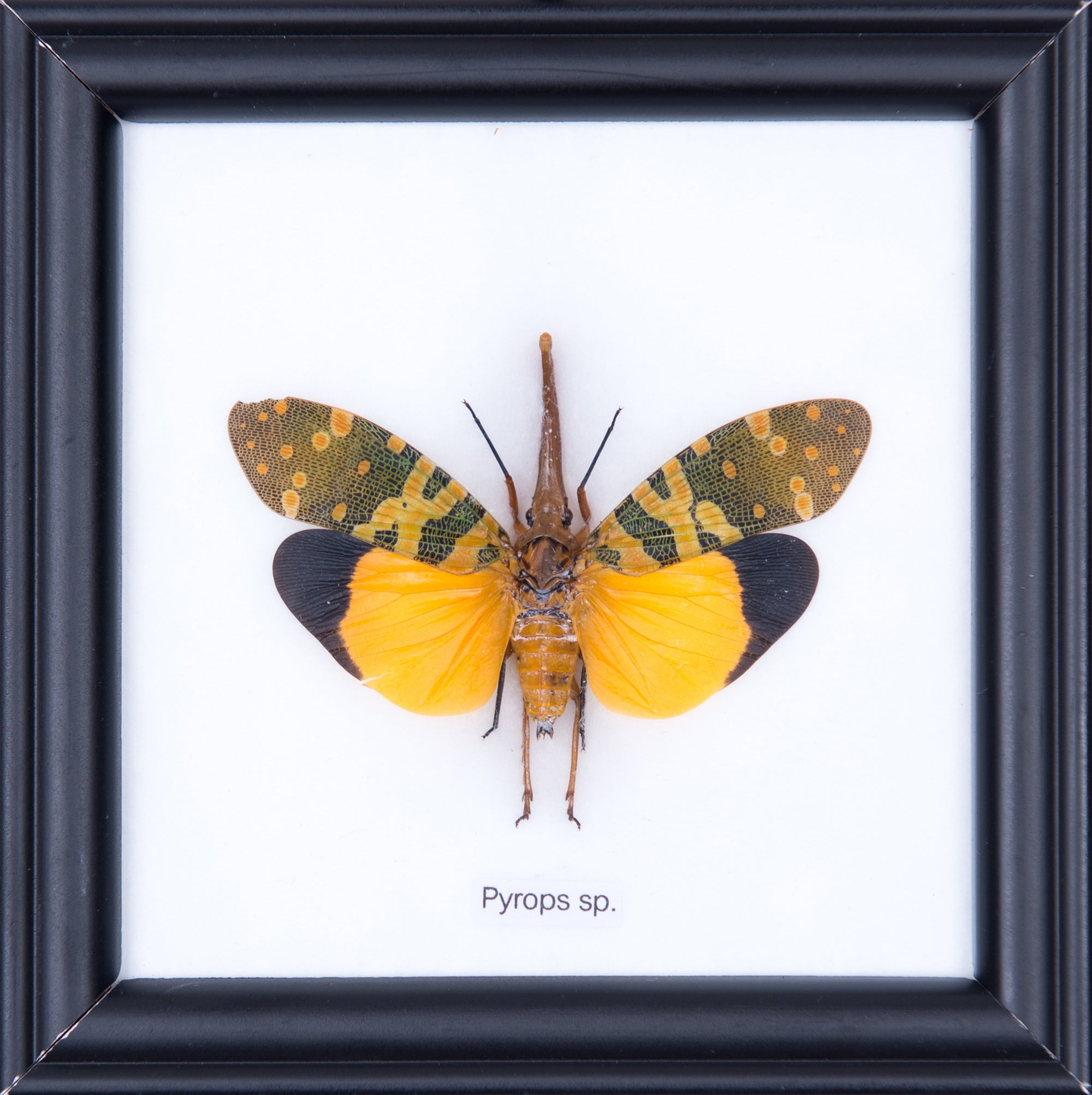
Butterflies & Moths
- Wing condition, symmetry, and colour are primary factors
- Antennae completeness heavily weighted
- Scale integrity critical for A1 grade
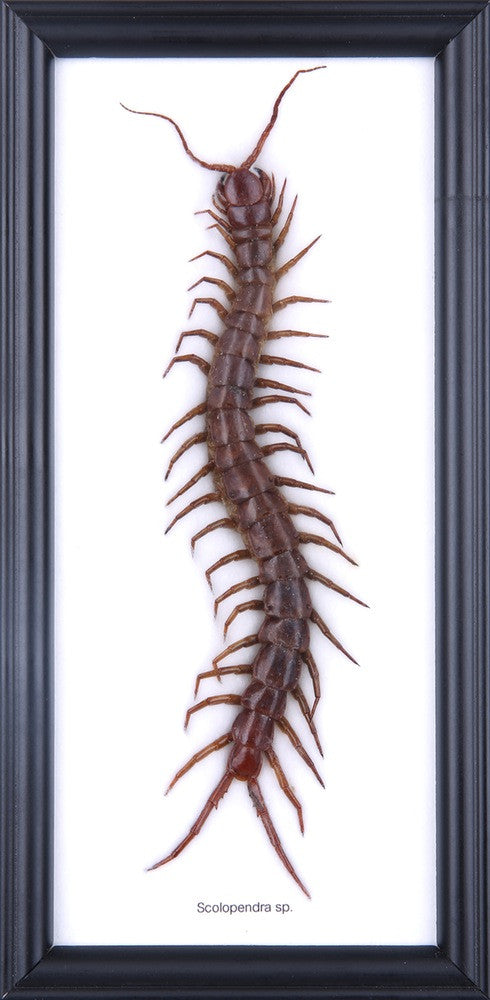
Beetles & Insects
- Elytra (wing covers) condition and colour assessed
- Leg and antenna completeness evaluated
- Body integrity and mounting quality considered
Bats & Vertebrates
- Wing membrane integrity for spread specimens
- Skeletal completeness for bone specimens
- Preservation quality and presentation
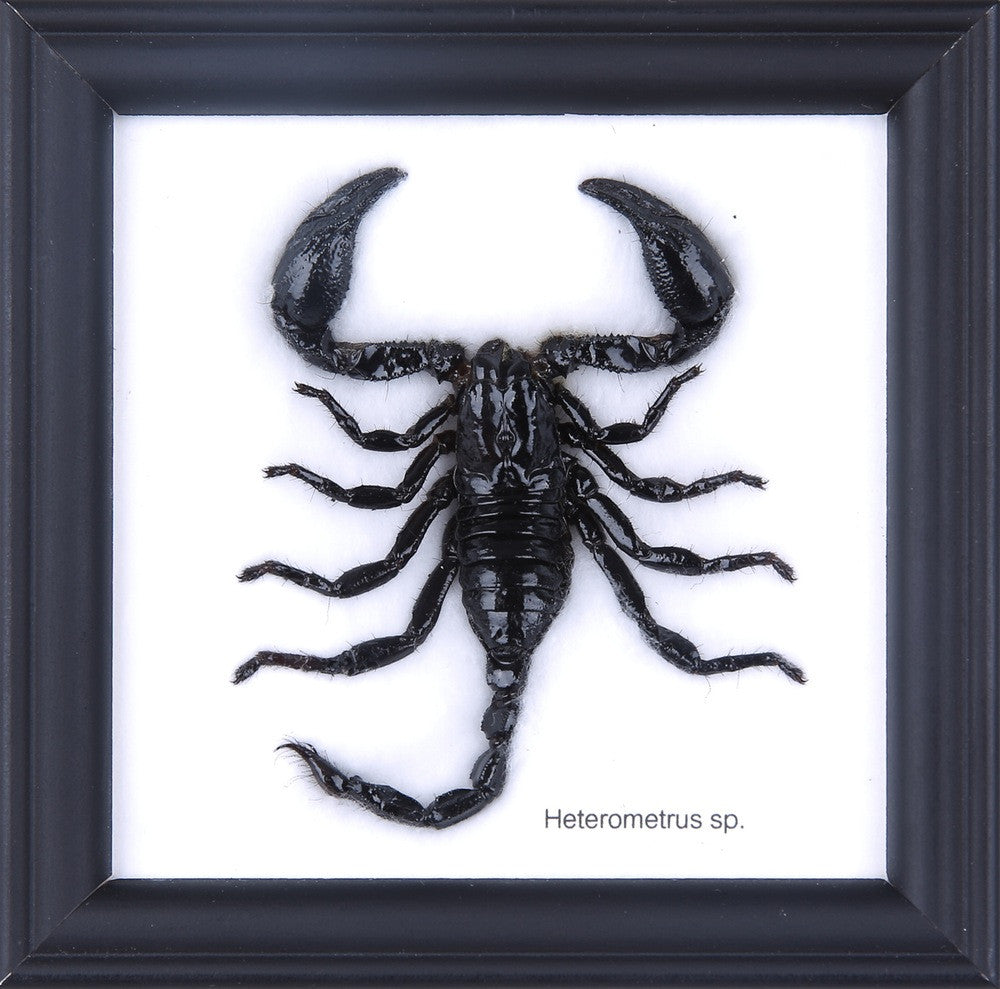
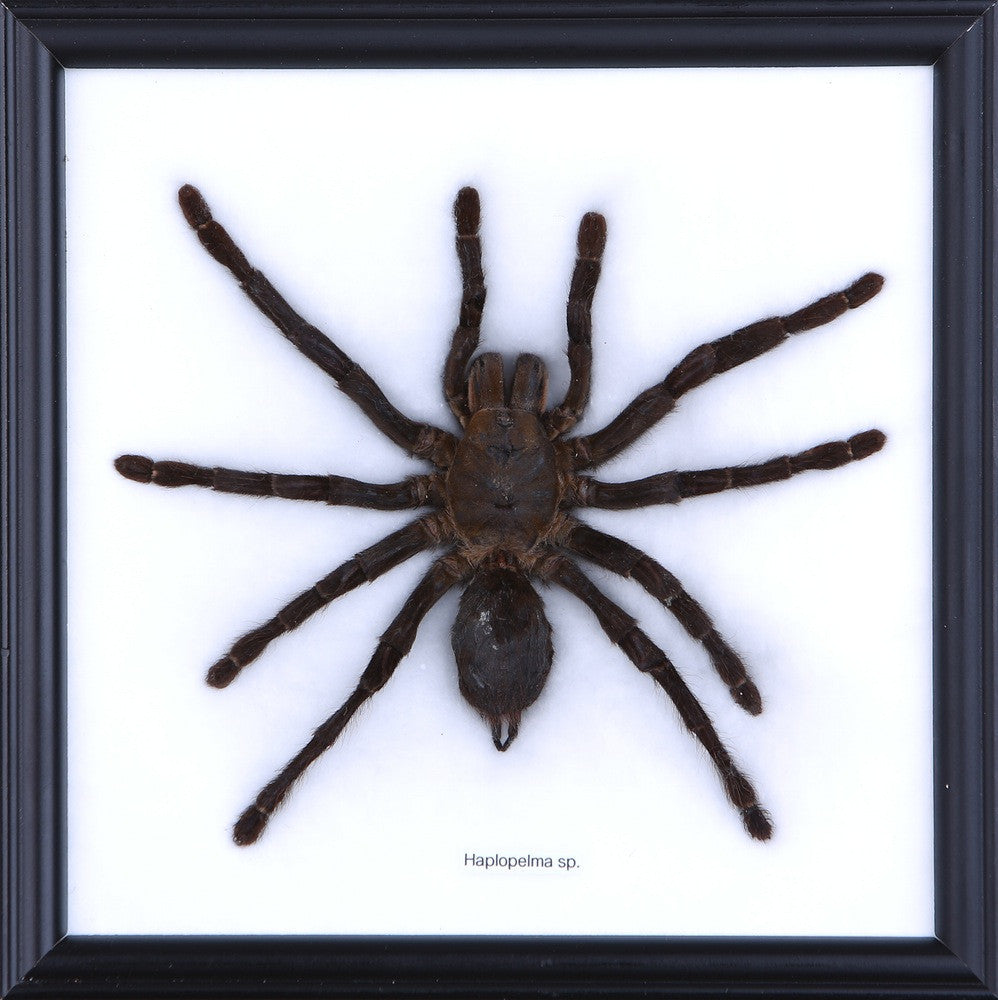
Scorpions & Arachnids
- Leg completeness (8 legs expected for A1)
- Pedipalp and tail condition
- Colour retention and body integrity
Frequently Asked Questions
Can I request photos of specific specimens before purchase?
Yes! For individual A1 and A1- specimens, we're happy to provide additional photos upon request. Contact us before ordering.
Do wholesale lots contain mixed grades?
No. Wholesale lots are graded as a set. A "Lot of 10 A1 specimens" contains 10 specimens that all meet A1 standards.
What if I receive a specimen that doesn't match the listed grade?
We stand behind our grading. If you believe a specimen was misgraded, contact us within 7 days with photos for a full refund or replacement.
Can A2 specimens be upgraded through restoration?
Minor repairs are possible (reattaching legs, touching up small tears), but significant restoration is difficult and may not be cost-effective.
Do you offer ungraded or lower-grade specimens?
Occasionally we offer B-grade or craft-grade specimens at deep discounts. These are clearly marked and sold as-is for non-display purposes.
How does age affect grading?
Vintage specimens are graded by current condition, not original state. A well-preserved 50-year-old specimen can still achieve A1 grade.
Our Quality Commitment
We've built our reputation on honest grading and transparent communication. When you purchase from Bugs Direct, you can trust that:
- Grades are assigned objectively using consistent criteria
- Photos and descriptions accurately represent what you'll receive
- Any imperfections are disclosed upfront
- Customer satisfaction is guaranteed
- We're available to answer questions before and after purchase
Whether you're seeking museum-quality perfection or budget-friendly study specimens, our grading system ensures you know exactly what you're getting.
Ready to Shop?
Browse our collection and filter by grade to find specimens that match your needs and budget.
Browse All Specimens →
Questions about grading? Contact us at info@bugsdirect.com and we'll help you select the perfect specimens for your collection.