Your Complete Guide to Starting and Curating a Museum-Quality Butterfly Collection
Butterfly collecting is a centuries-old tradition that combines natural history, artistry, and scientific discovery. Whether you're a seasoned collector or just beginning your journey into the world of Lepidoptera, this comprehensive guide will help you build a collection that brings beauty, knowledge, and lasting value to your home.
Why Collect Butterfly Specimens?
Preserved butterfly specimens offer unique benefits that go beyond mere decoration:
-
Educational value – Study wing patterns, anatomy, and biodiversity up close
-
Artistic beauty – Nature's most vibrant colours and intricate designs preserved forever
-
Scientific contribution – Private collections document species distribution and variation
-
Investment potential – Rare specimens appreciate in value over time
-
Heirloom quality – Museum-grade preservation ensures multi-generational enjoyment
Getting Started: What You Need to Know
1. Define Your Collection Focus
Successful collections often have a unifying theme. Consider focusing on:
-
Geographic regions – British butterflies, Amazonian species, Asian Lepidoptera
-
Taxonomic families – Swallowtails (Papilionidae), Morphos (Nymphalidae), Birdwings (Ornithoptera)
-
Colour palettes – Blue iridescent species, monochrome specimens, rainbow collections
-
Size ranges – Giant birdwings, miniature blues, or a diverse size spectrum
-
Rarity levels – Common species for beginners, rare specimens for advanced collectors
2. Understand Quality Standards
Not all preserved specimens are created equal. Museum-quality specimens feature:
- Perfect wing symmetry with proper spreading technique
- Intact antennae, legs, and body segments
- Vibrant, unfaded colours indicating proper preservation
- No visible damage, tears, or missing scales
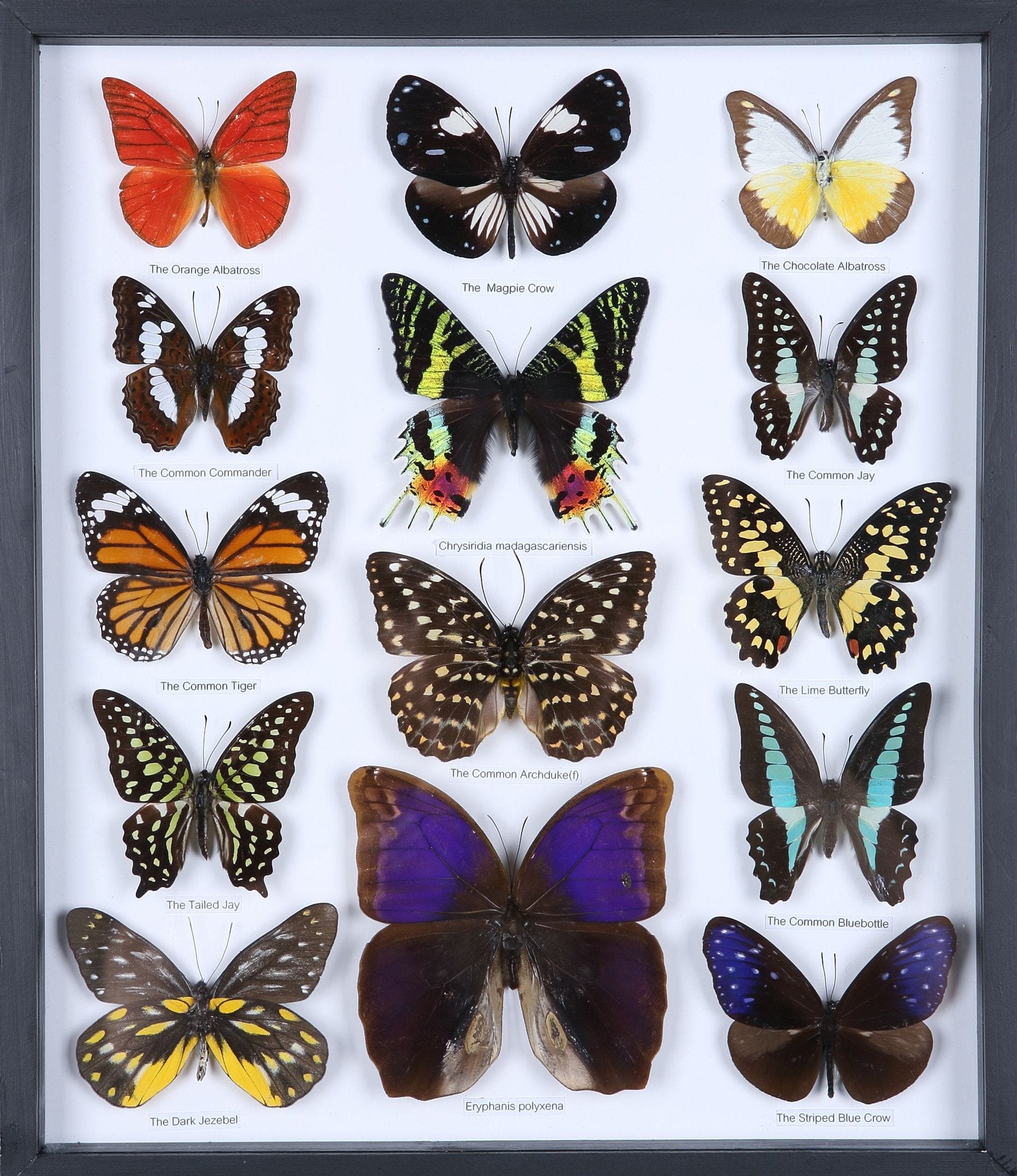
- Accurate labelling with scientific name, location, and date
3. Source Ethically and Legally
Responsible collecting means understanding regulations and supporting sustainable practices:
- Purchase from reputable dealers who comply with CITES regulations
- Prioritize specimens from butterfly farms over wild-caught when possible
- Verify documentation for protected species
- Support suppliers who contribute to conservation efforts
- Avoid specimens from questionable or undocumented sources
Building Your Collection: A Strategic Approach
Start with Iconic Species
Begin your collection with recognizable, readily available species that showcase diversity:
-
Morpho butterflies – Stunning blue iridescence, various species available
-
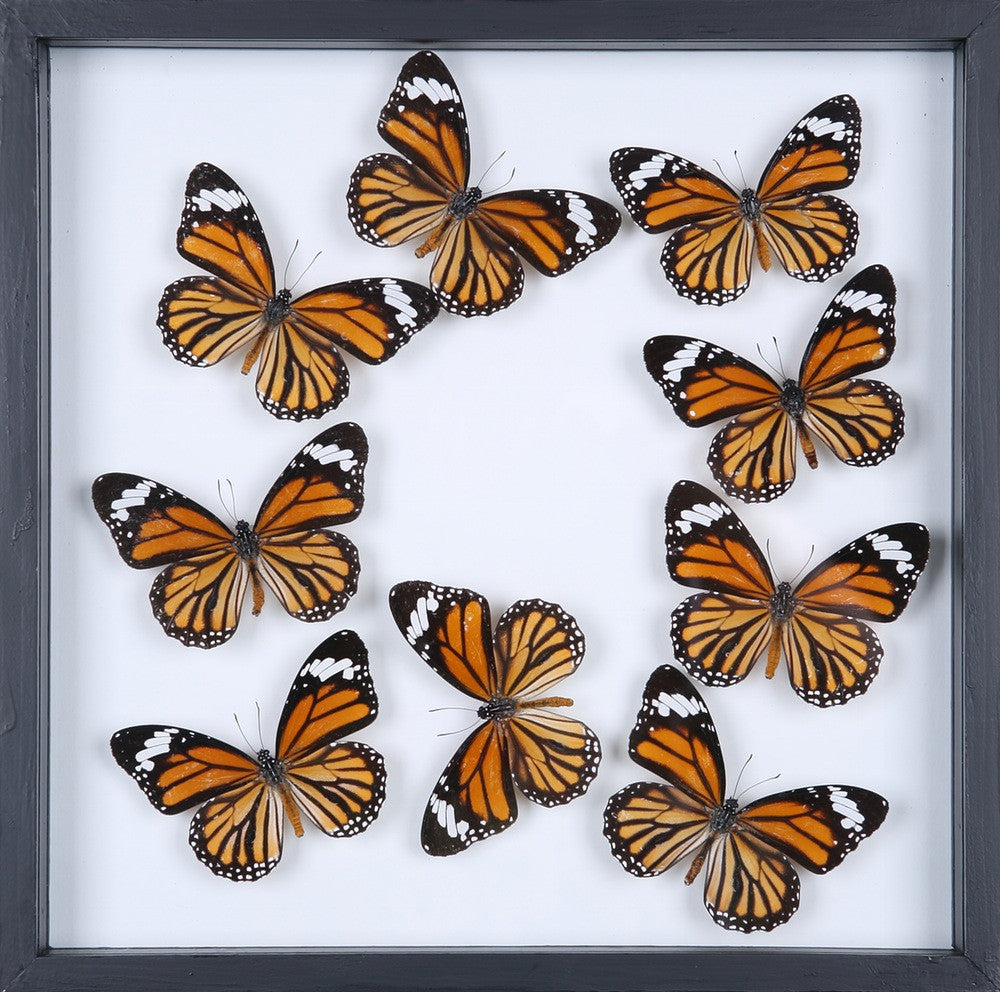
Monarch butterflies – Iconic orange and black, perfect for North American themes
-
Swallowtails – Elegant tails and bold patterns, worldwide distribution
-
Glasswings – Transparent wings create unique visual interest
-
Owl butterflies – Large eyespots and impressive size
Expand with Complementary Specimens
Once you've established a foundation, add specimens that enhance your collection's narrative:
- Contrasting colours to create visual balance
- Size variation for dynamic displays
- Related species to show evolutionary relationships
- Regional representatives to map biodiversity
- Seasonal variations or sexual dimorphism examples
Invest in Rare and Exceptional Pieces
As your expertise grows, consider acquiring:
- Protected species with proper CITES documentation
- Unusual colour forms or aberrations
- Large, perfect specimens of sought-after species
- Historical specimens with provenance
- Complete series showing geographic variation
Display and Preservation Best Practices
Framing and Mounting Options
-
Shadow boxes – Deep frames that accommodate 3D mounting
-
Traditional entomology cases – Glass-topped wooden boxes for serious collectors
-
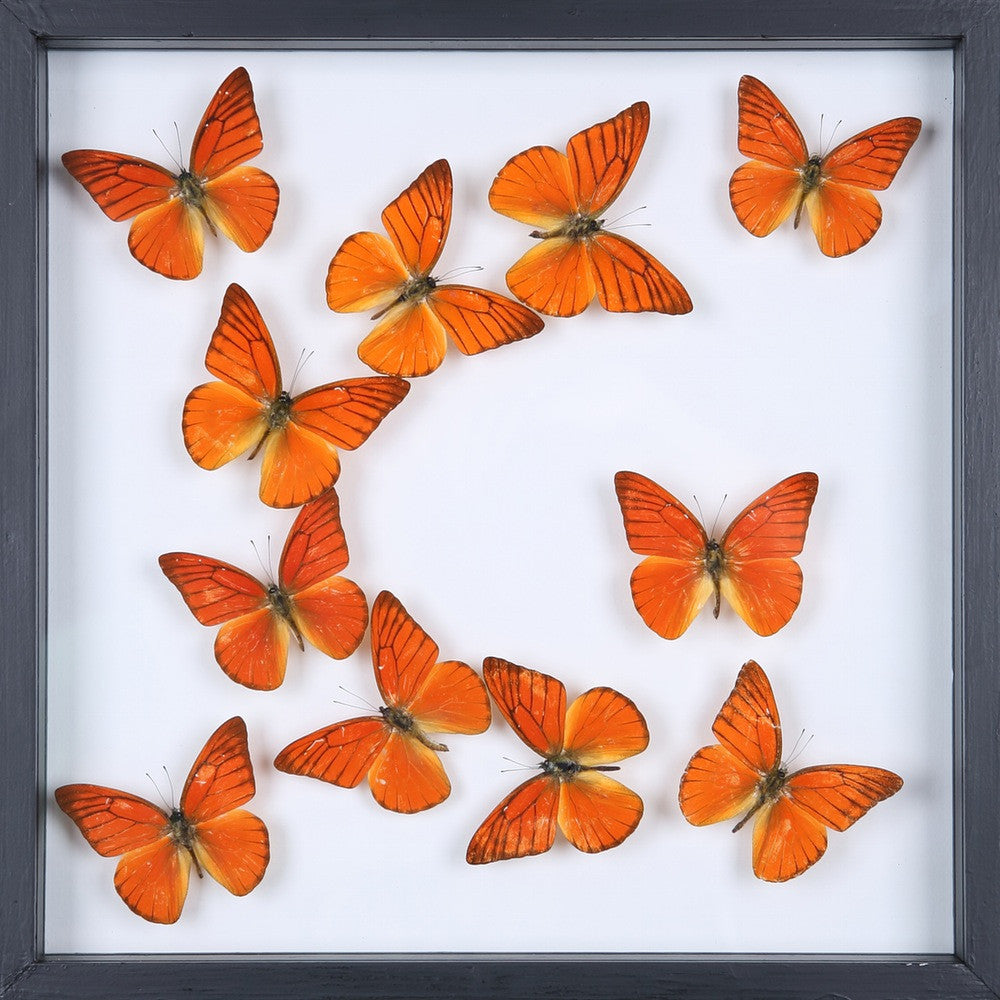
Wall frames – Individual or grouped specimens for home décor
-
Dome displays – Victorian-style glass domes for single specimens
-
Drawer cabinets – Archival storage for unmounted or study collections
Environmental Conditions
Protect your investment with proper care:
- Display away from direct sunlight (UV causes fading)
- Maintain stable temperature (18-22°C ideal)
- Control humidity (40-50% prevents mould and brittleness)
- Use UV-filtering glass or acrylic for valuable specimens
- Inspect regularly for pest activity (carpet beetles, booklice)
Pest Prevention
- Ensure all frames are properly sealed
- Store unmounted specimens in airtight containers
- Use natural deterrents (cedar, lavender) in storage areas
- Freeze suspect specimens at -20°C for 72 hours
- Quarantine new acquisitions before adding to main collection
Documentation and Organization
Professional collectors maintain detailed records:
-
Specimen database – Scientific name, source, date acquired, price paid
-
Photographic archive – High-resolution images for insurance and reference
-
Provenance documentation – CITES permits, certificates of authenticity
-
Collection catalogue – Organized by taxonomy, geography, or display location
-
Condition reports – Regular inspections noting any changes or concerns
Common Beginner Mistakes to Avoid
-
Buying poor-quality specimens – Damaged or improperly spread butterflies have little value
-
Ignoring CITES regulations – Illegal specimens can be confiscated and result in fines
-
Improper storage – Sunlight, moisture, and pests destroy collections quickly
-
Lack of focus – Random acquisitions create cluttered, incoherent collections
-
Overpaying – Research market prices before purchasing rare specimens
-
Neglecting documentation – Unlabelled specimens lose scientific and monetary value
The Joy of Collecting
A well-curated butterfly collection is more than an assemblage of preserved insects—it's a personal museum of natural history, a testament to biodiversity, and a source of endless fascination. Each specimen tells a story of evolution, ecology, and the remarkable diversity of life on Earth.
Whether displayed in your study, shared with fellow enthusiasts, or passed down to future generations, your collection represents a commitment to preserving and celebrating nature's artistry.
Start Your Collection Today
Ready to begin your butterfly collecting journey? Browse our curated selection of museum-quality specimens, from beginner-friendly species to rare collector's pieces. Every specimen is ethically sourced, expertly preserved, and backed by our quality guarantee.
Explore Our Collection →