The Golden Age of Butterfly Collecting: Victorian Traditions That Endure Today
The Victorian era (1837-1901) witnessed an explosion of interest in natural history, transforming butterfly collecting from scientific pursuit into a refined art form. The aesthetic principles, display methods, and collecting ethics established during this period continue to influence modern collectors and define museum-quality standards.
The Victorian Natural History Movement
During Queen Victoria's reign, natural history became a respectable—even fashionable—pursuit for the educated classes. Several factors drove this phenomenon:
-
Colonial expansion brought exotic specimens from around the globe
-
Scientific advancement in taxonomy and evolutionary theory
-
Middle-class leisure time enabled hobby collecting
-
Educational reform emphasized observational learning
-
Aesthetic appreciation of nature as moral and spiritual enrichment
Butterfly collecting epitomized these trends—it combined scientific rigor, artistic beauty, global exploration, and accessible participation.
Victorian Display Aesthetics
The Cabinet of Curiosities Tradition
Victorian collectors housed specimens in purpose-built cabinets featuring:
- Dark wood construction (mahogany, walnut, oak)
- Glass-topped drawers for viewing without handling
- Brass hardware and label holders
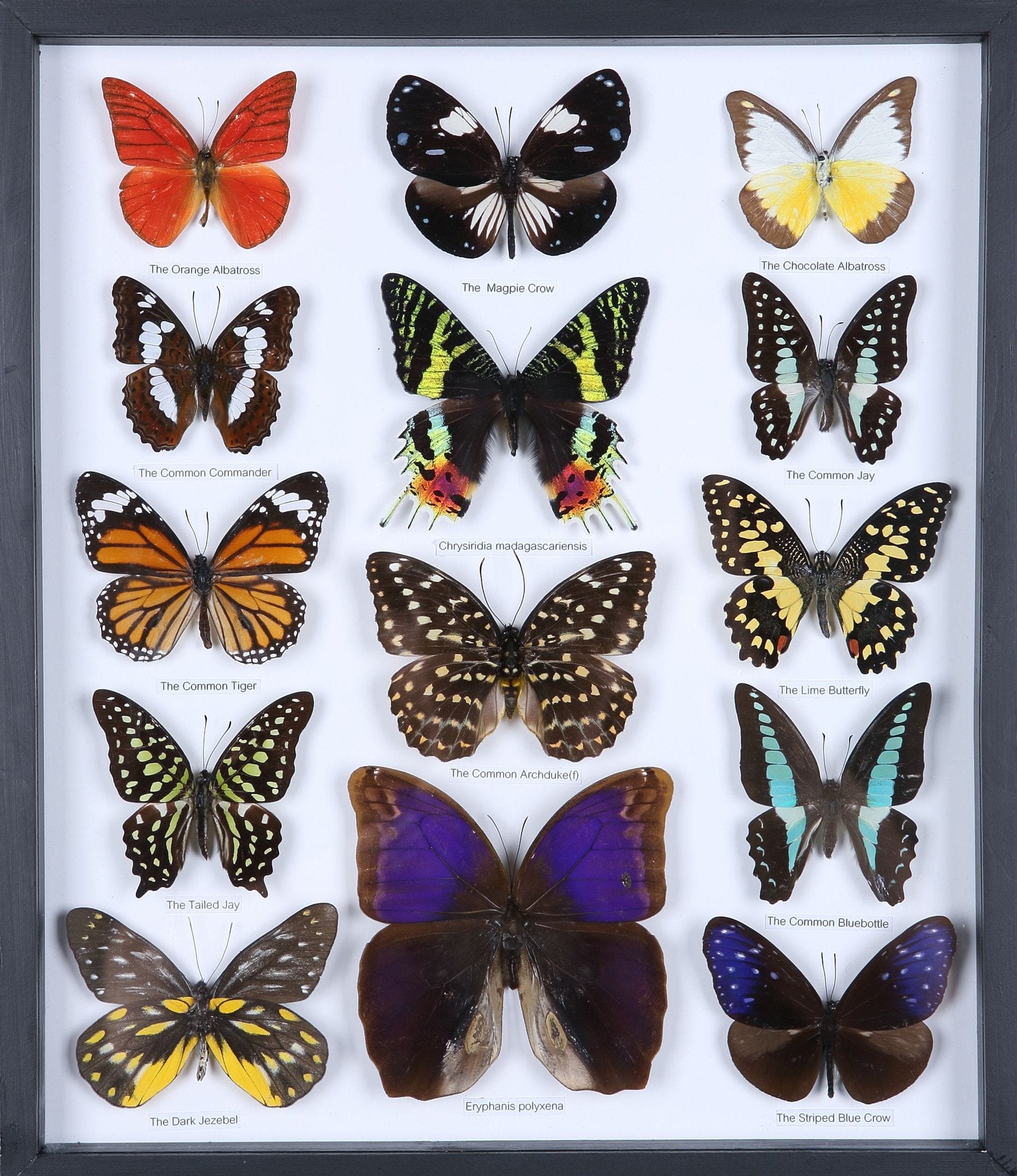
- Systematic organization by taxonomy or geography
- Handwritten labels with copperplate script
These cabinets transformed private homes into miniature museums, reflecting the era's belief that education and beauty should coexist in domestic spaces.
The Glass Dome Display
Perhaps the most iconic Victorian presentation method, glass domes showcased individual specimens or small arrangements:
- Elevated on turned wood or marble bases
- Protected from dust whilst remaining visible
- Created focal points in parlours and studies
- Symbolized the intersection of science and decoration
Modern collectors reviving this aesthetic appreciate its timeless elegance and protective function.
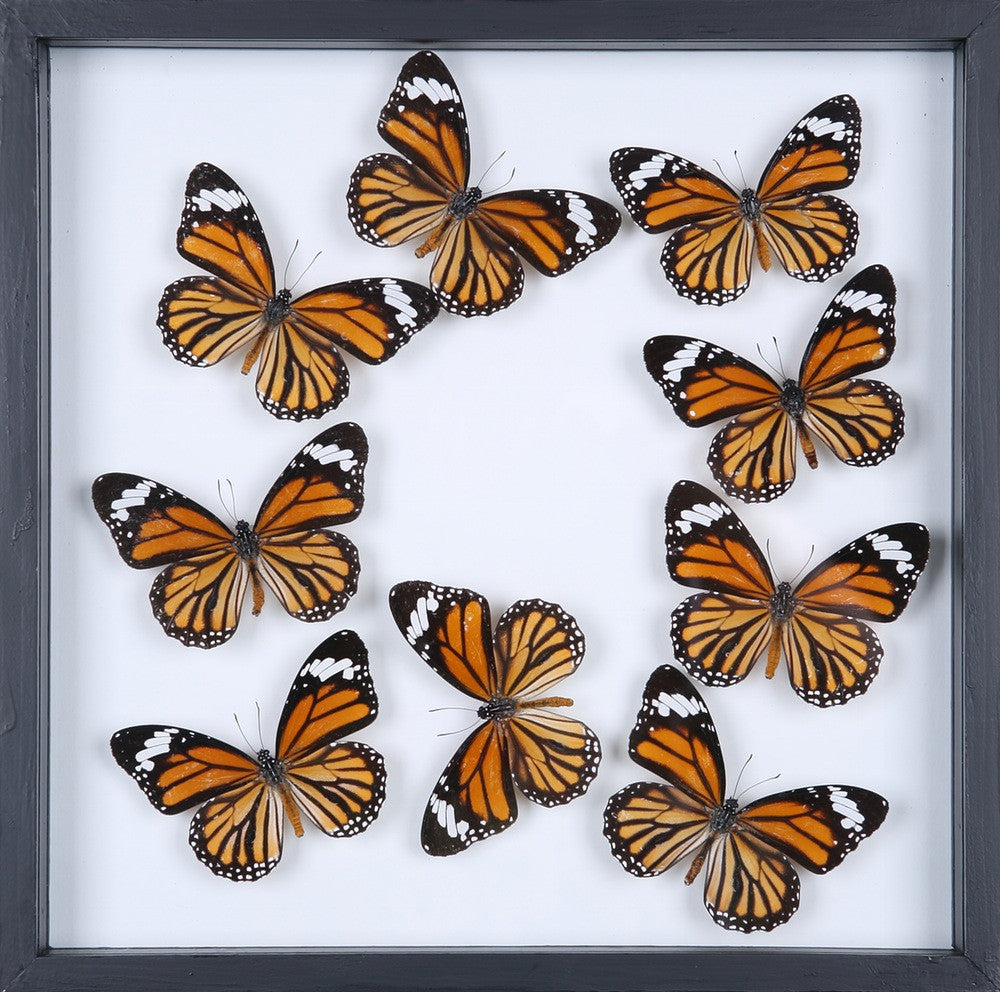
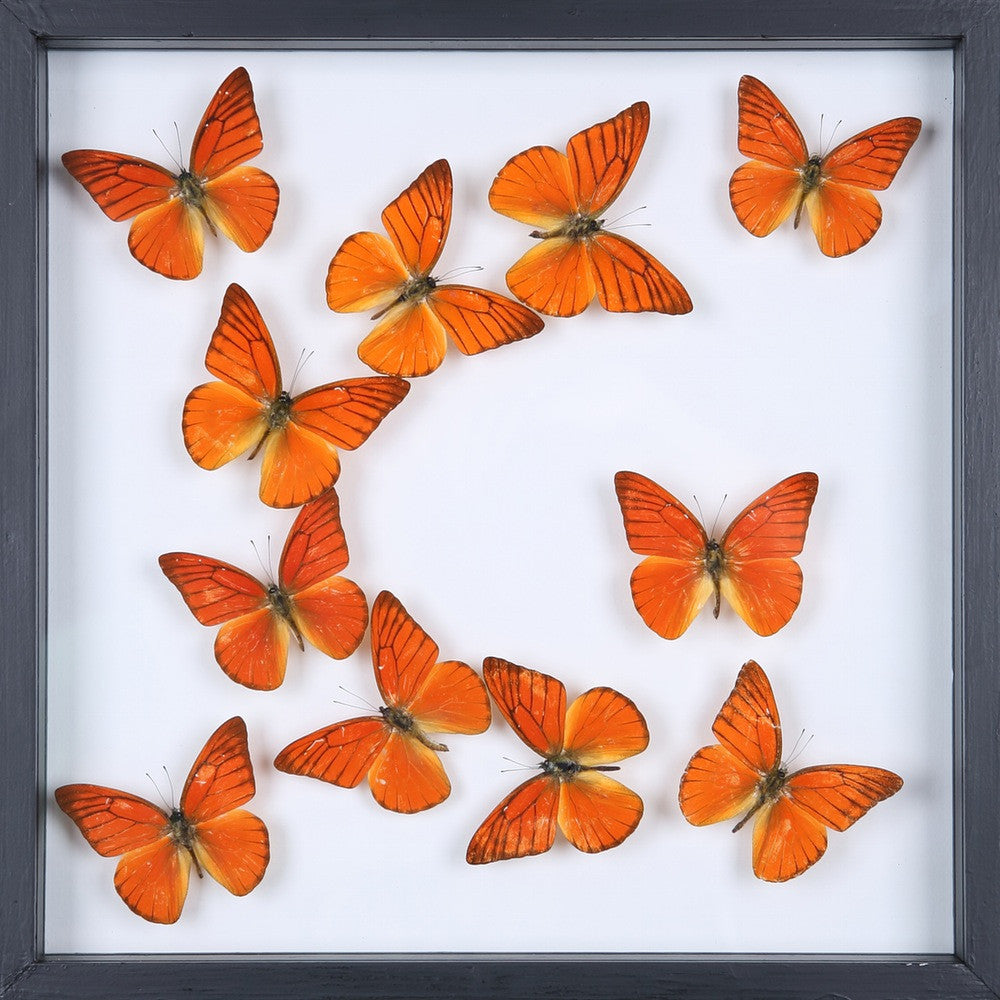
Shadow Box Frames
Deep frames allowed three-dimensional mounting:
- Specimens pinned to cork or foam backing
- Arranged in geometric patterns or natural groupings
- Accompanied by printed labels and decorative elements
- Hung as wall art in libraries and drawing rooms
Victorian Collecting Practices
The Field Collector
Victorian naturalists pursued butterflies with dedicated equipment:
-
Butterfly nets with long handles and fine mesh
-
Killing jars containing chloroform or cyanide
-
Field boxes with cork lining for temporary storage
-
Notebooks recording date, location, and conditions
Collecting expeditions combined exercise, fresh air, and scientific observation—activities considered healthful and morally improving.
The Preparation Process
Victorian techniques for preserving specimens remain largely unchanged:
-
Relaxation in humid chambers to restore flexibility
-
Pinning through the thorax with brass or steel pins
-
Spreading on cork boards using paper strips
-
Drying for 7-14 days in protected environments
-
Labeling with scientific name, location, date, and collector
The precision and patience required reflected Victorian values of craftsmanship and attention to detail.
The Aesthetic Philosophy
Nature as Art and Instruction
Victorians viewed butterfly collections as serving multiple purposes:
-
Scientific study – Understanding taxonomy, distribution, and variation
-
Aesthetic pleasure – Appreciating natural beauty and design
-
Moral education – Observing divine creation and natural order
-
Social status – Demonstrating refinement and intellectual engagement
This holistic approach elevated collecting beyond mere accumulation to a meaningful cultural practice.
The Language of Display
Victorian arrangements communicated specific messages:
-
Taxonomic order demonstrated scientific knowledge
-
Geographic groupings showcased global reach and exploration
-
Colour gradients revealed artistic sensibility
-
Symmetrical patterns reflected order and harmony
Victorian Influences on Modern Collecting
Enduring Design Principles
Contemporary collectors embracing Victorian aesthetics incorporate:
-
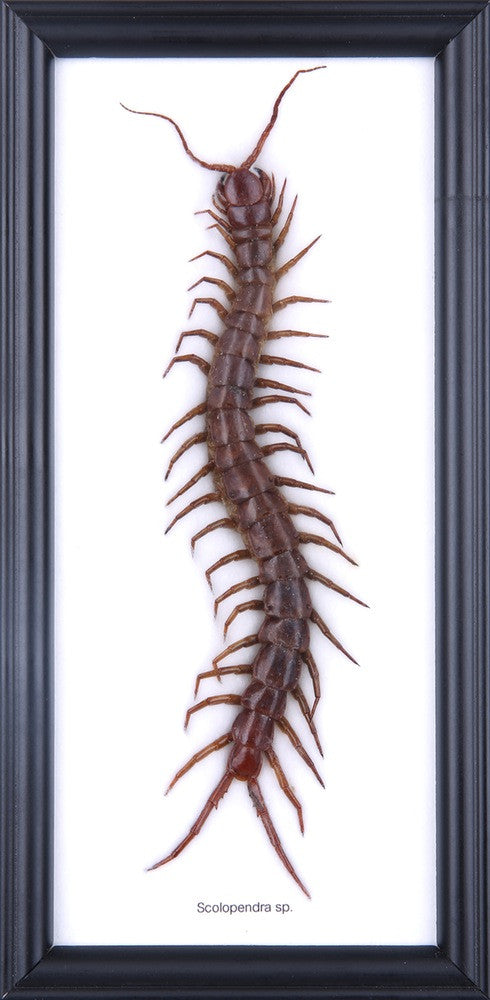
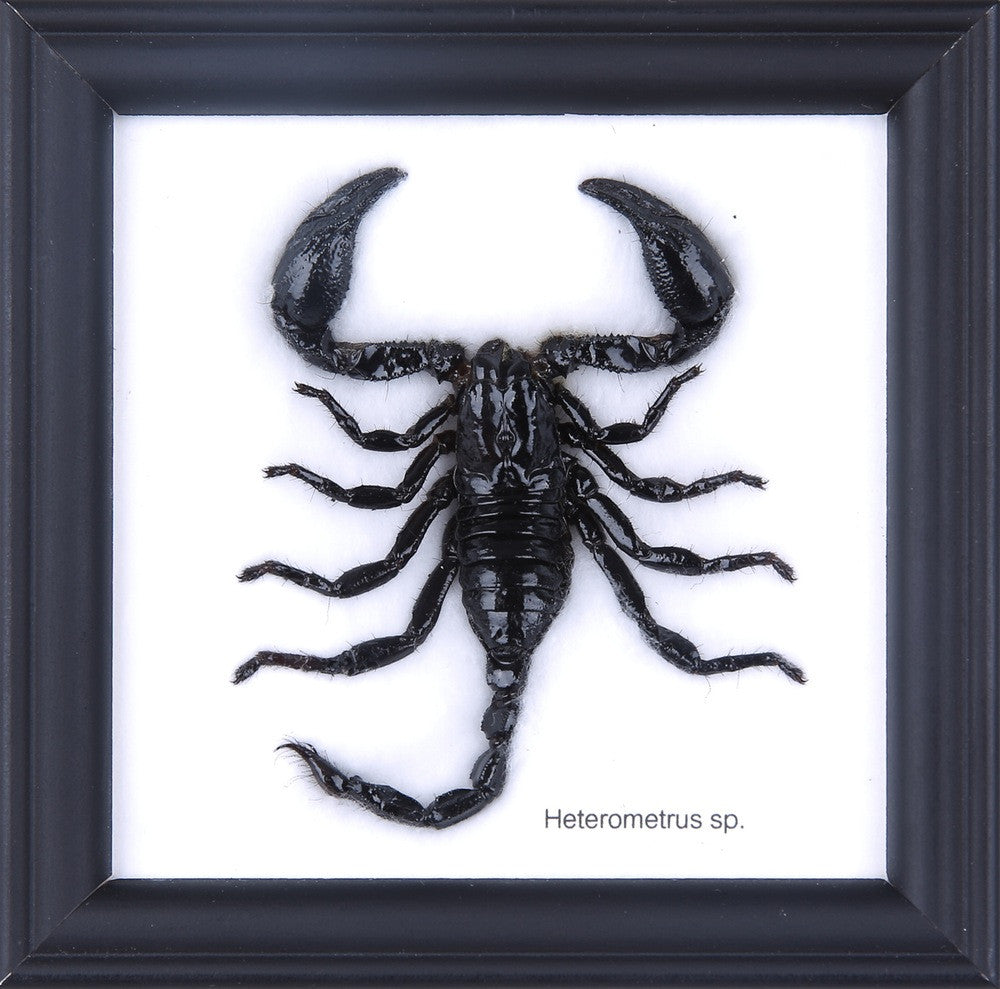
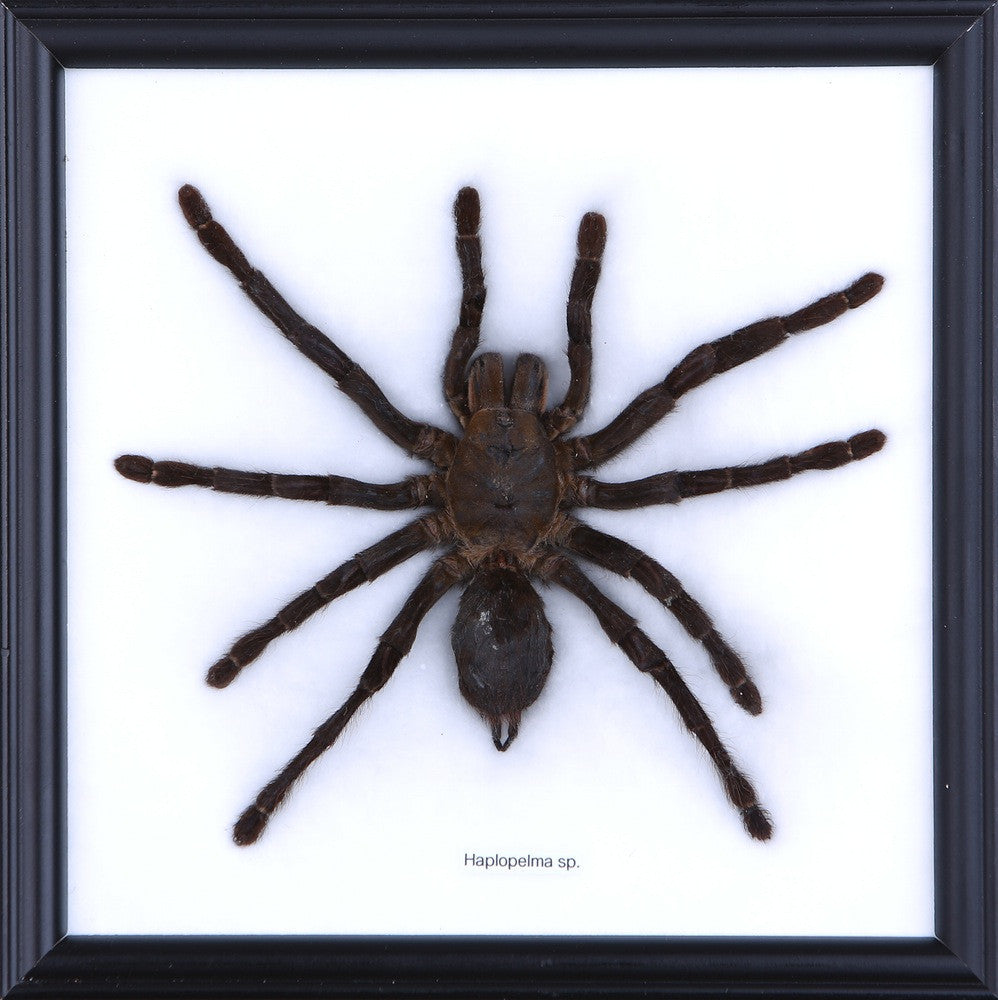
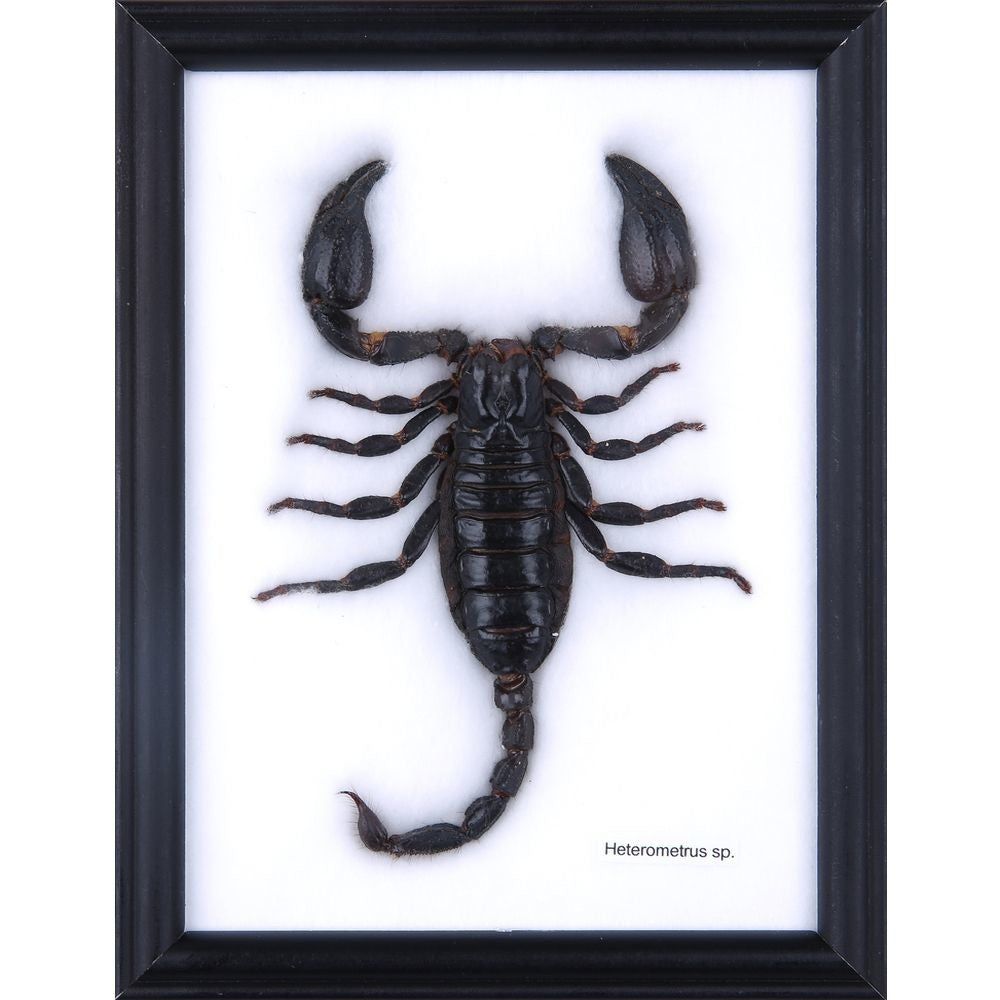
Dark frames that echo antique cabinets
-
Vintage-style labels with serif fonts and Latin nomenclature
-
Natural materials like wood, brass, and cork
-
Formal arrangements emphasizing symmetry and balance
-
Educational labeling providing context and information
The Museum-Quality Standard
Victorian institutional collections established preservation standards still used today:
- Archival materials preventing deterioration
- Systematic documentation ensuring scientific value
- Pest prevention protocols protecting specimens
- Climate control maintaining stability
When we describe specimens as "museum-quality," we're invoking Victorian-era standards of excellence.
Creating a Victorian-Inspired Display
Frame Selection
- Choose dark wood (walnut, mahogany, black-stained oak)
- Select deep shadow boxes for dimensional mounting
- Consider ornate moulding for formal presentations
- Use UV-filtering glass to protect whilst maintaining clarity
Background Materials
- Cream or off-white mat board (avoid bright white)
- Natural cork for authentic Victorian texture
- Vintage botanical prints or maps as backing
- Subtle patterns like damask or toile
Labeling Style
- Use serif fonts (Garamond, Baskerville, Caslon)
- Include full scientific nomenclature with authority
- Add collection location and date
- Consider handwritten labels for authenticity
Arrangement Approaches
-
Systematic: Organized by family or genus
-
Geographic: Grouped by continent or country
-
Chromatic: Arranged by colour progression
-
Symmetrical: Mirrored patterns creating visual balance
The Victorian Legacy
Victorian butterfly collecting established traditions that transcend mere nostalgia. The era's emphasis on quality, documentation, aesthetic presentation, and educational value created a framework that modern collectors continue to honor.
When you display a museum-quality specimen in a dark wood frame with proper labeling, you're participating in a 150-year tradition that celebrates both scientific inquiry and natural beauty. This continuity connects contemporary collectors to a rich cultural heritage whilst ensuring that specimens remain valuable, meaningful, and beautiful for future generations.
Explore Our Victorian-Inspired Collection
Browse our selection of museum-quality specimens perfect for Victorian-style displays. Each butterfly is preserved using traditional techniques and can be custom-framed to match your aesthetic vision.
Shop Museum-Quality Specimens →