Get your package anywhere!
Welcome to BugsDirect Ltd. Leading Suppliers of Worldwide Entomology Specimens (Retail/Wholesale)

Butterfly preservation is properly called entomological preparation, insect mounting, or lepidoptera preparation. While many people use the term "butterfly taxidermy," this is technically incorrect—the scientific practice of preserving butterflies and other insects falls under the field of entomology, not taxidermy.
The broad scientific term for preserving any insect specimen, including butterflies, moths, beetles, and other arthropods. This encompasses all techniques used to prepare insects for study, display, or collection.
The specific term for preparing butterflies and moths (order Lepidoptera). This refers to the process of spreading wings and positioning specimens for optimal display.
The physical techniques used to position and preserve specimens. "Spreading" specifically refers to the wing-positioning process, while "pinning" describes securing the specimen.
Taxidermy specifically refers to preserving vertebrate animals (mammals, birds, reptiles, fish) by:
Butterflies and insects have exoskeletons that naturally preserve their shape when dried, requiring completely different techniques. No skin removal, artificial forms, or chemical preservation is needed—making it a distinct practice from taxidermy.
The overall process of preparing insects for scientific collections, including killing, relaxing, spreading, drying, and labeling.
The specialized tool used to position butterfly wings at the correct angle during the drying process.
The technique of softening dried specimens in a humidity chamber to make them pliable for repositioning without damage.
Butterflies stored flat in glassine or paper envelopes, a space-efficient method used by museums and collectors before final mounting.
A shallow display case with cotton backing, commonly used for educational insect collections.
A specialized storage and display box designed for pinned insect specimens, featuring a tight seal and cork or foam bottom.
Museum-quality lepidoptera mounting requires:
Butterfly collecting and preparation has been practiced for centuries, with Victorian-era naturalists elevating it to an art form. The techniques developed in the 18th and 19th centuries remain largely unchanged today, testament to their effectiveness.
Today's lepidoptera preparation serves multiple purposes:
Professional entomological preparation requires training in:
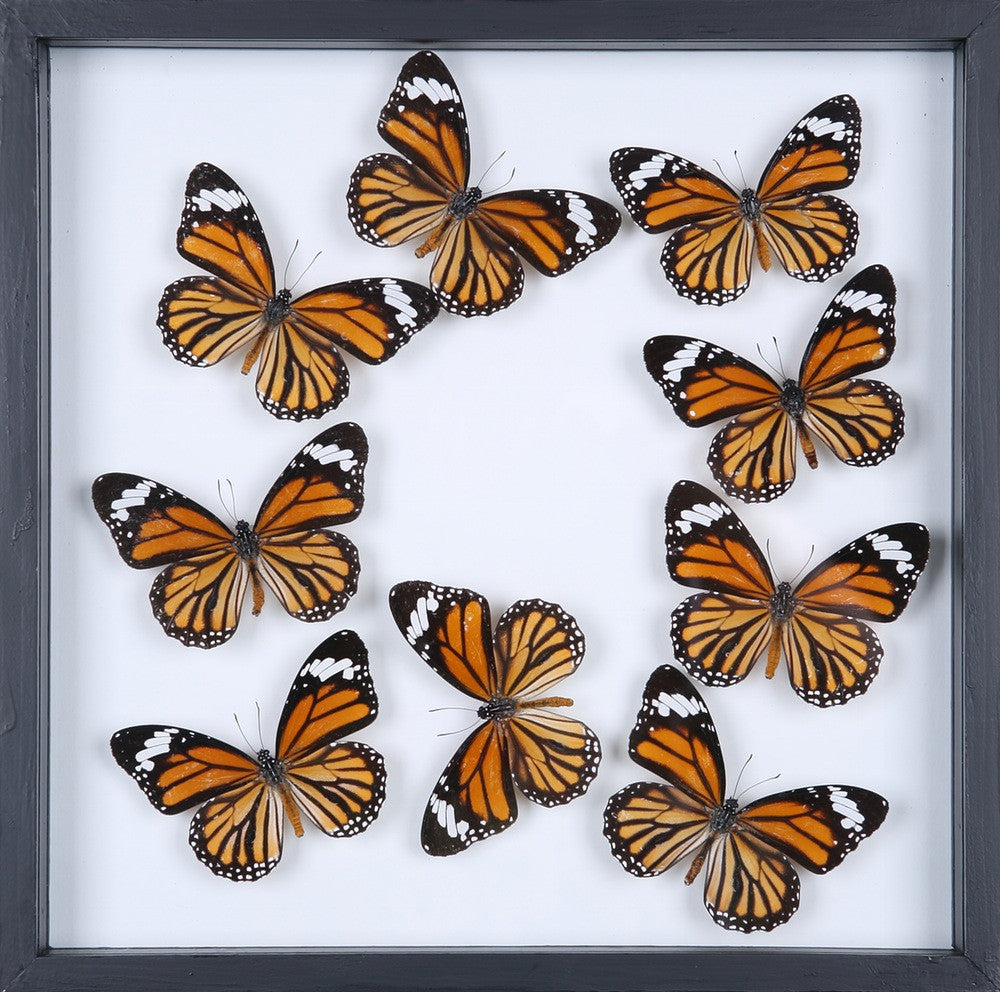
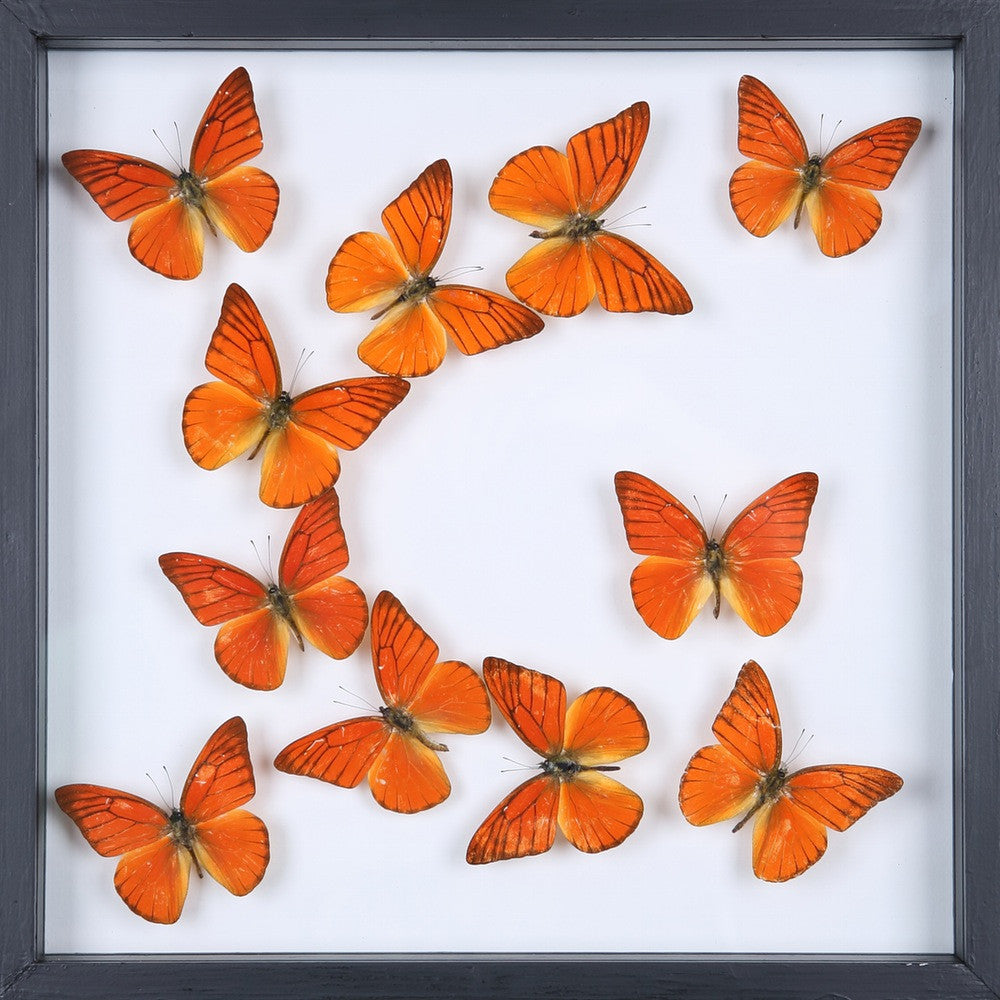
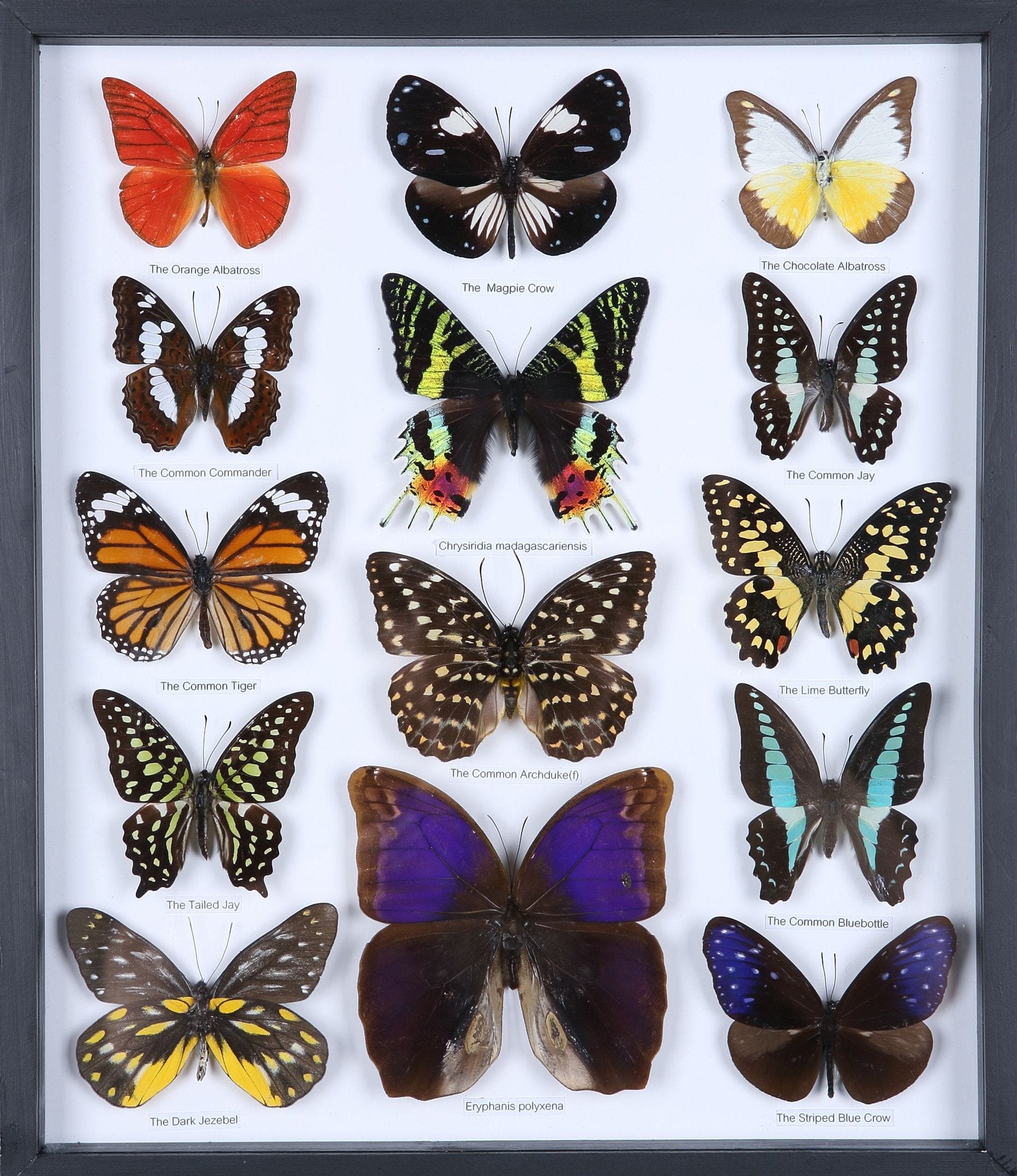
While the term "butterfly taxidermy" is commonly used in searches, what you're actually looking for is professionally prepared lepidoptera specimens. Our collection features museum-quality entomological preparation by expert preparators, ensuring: