Straight to your door
Welcome to BugsDirect Ltd. Leading Suppliers of Worldwide Entomology Specimens (Retail/Wholesale)
36 results for "tiny"

| /
Lot of 2 Porrorhynchus marginatus Free-shipping

| /
Lot of 5 Tiny 10mm Water Beetles (Patrus sp. 01) Unmounted Specimens Free-shipping

| /
LOT OF 10 Tiny Shiny Beetles (Platycorynus nitidus) A1 Entomology Specimens, Wholesale Suitable for Entomology, Study, Collecting, Framing, Macro photography, Artistic creation and much more. These are stunning dry-preserved specimens in perfect A1 condition.

| /
Ethically Sourced Butterfly Specimens - Museum Quality Unmounted Lepidoptera Discover our curated assortment of ethically sourced butterflies, perfect for collectors, entomologists, artists, and natural history enthusiasts. Each pack contains premium A1 grade unmounted butterfly specimens carefully selected from sustainable butterfly...

| /
Explore the Earth's natural wonders with our Mini Crystal & Mineral Specimen Trays — each set a handpicked selection of genuine specimens, presented in a display-ready tray. Ideal for collectors, natural history enthusiasts, educators, and as a distinctive gift.Pieces measure...

| /
A curated collection of genuine geological specimens that transforms curiosity into discovery, bringing the wonder of natural history into the hands of young collectors and families. This comprehensive discovery kit assembles fossils, minerals, crystals and gemstones from locations across the...
| /
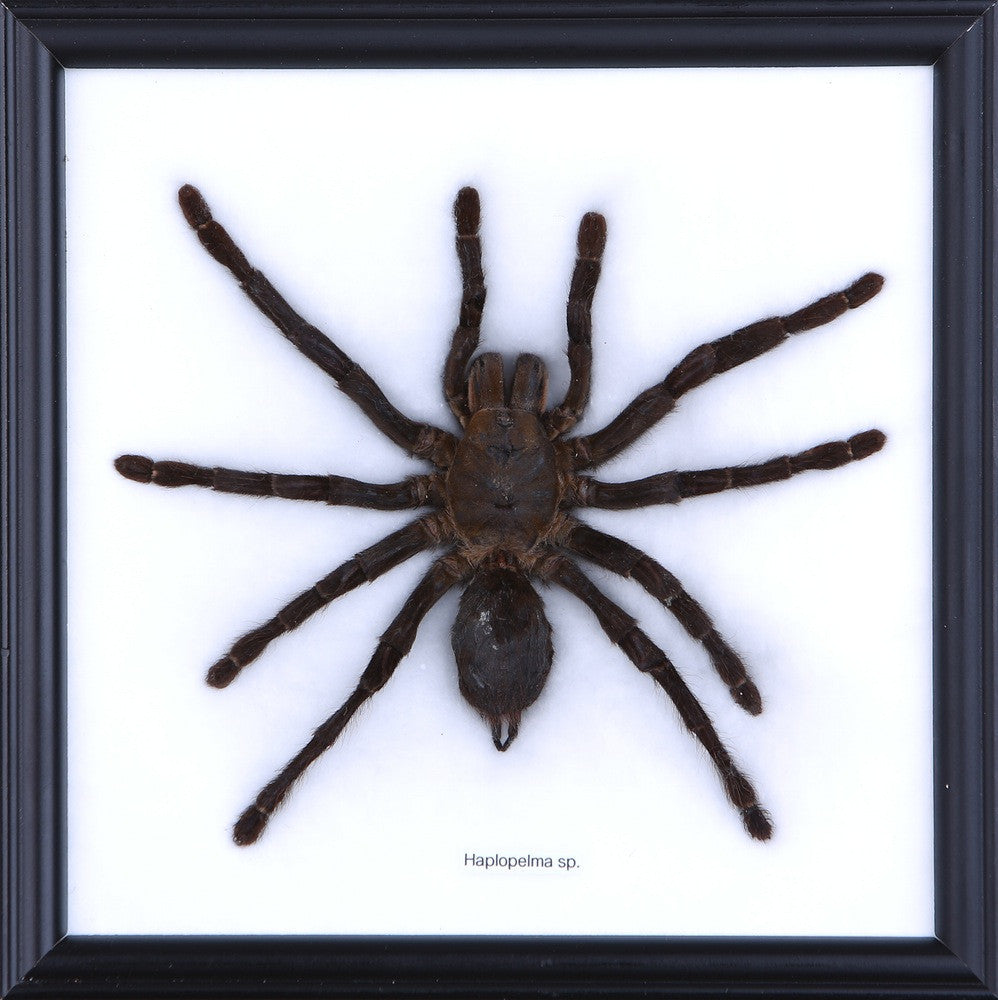
Malaysian Bird-Eating Tarantula Framed Display - Real Haplopelma minax Specimen Discover the impressive presence of Haplopelma minax - the formidable Malaysian bird-eating tarantula - beautifully preserved and mounted under glass in an elegant wall-hanging frame. This framed tarantula display showcases...
| /
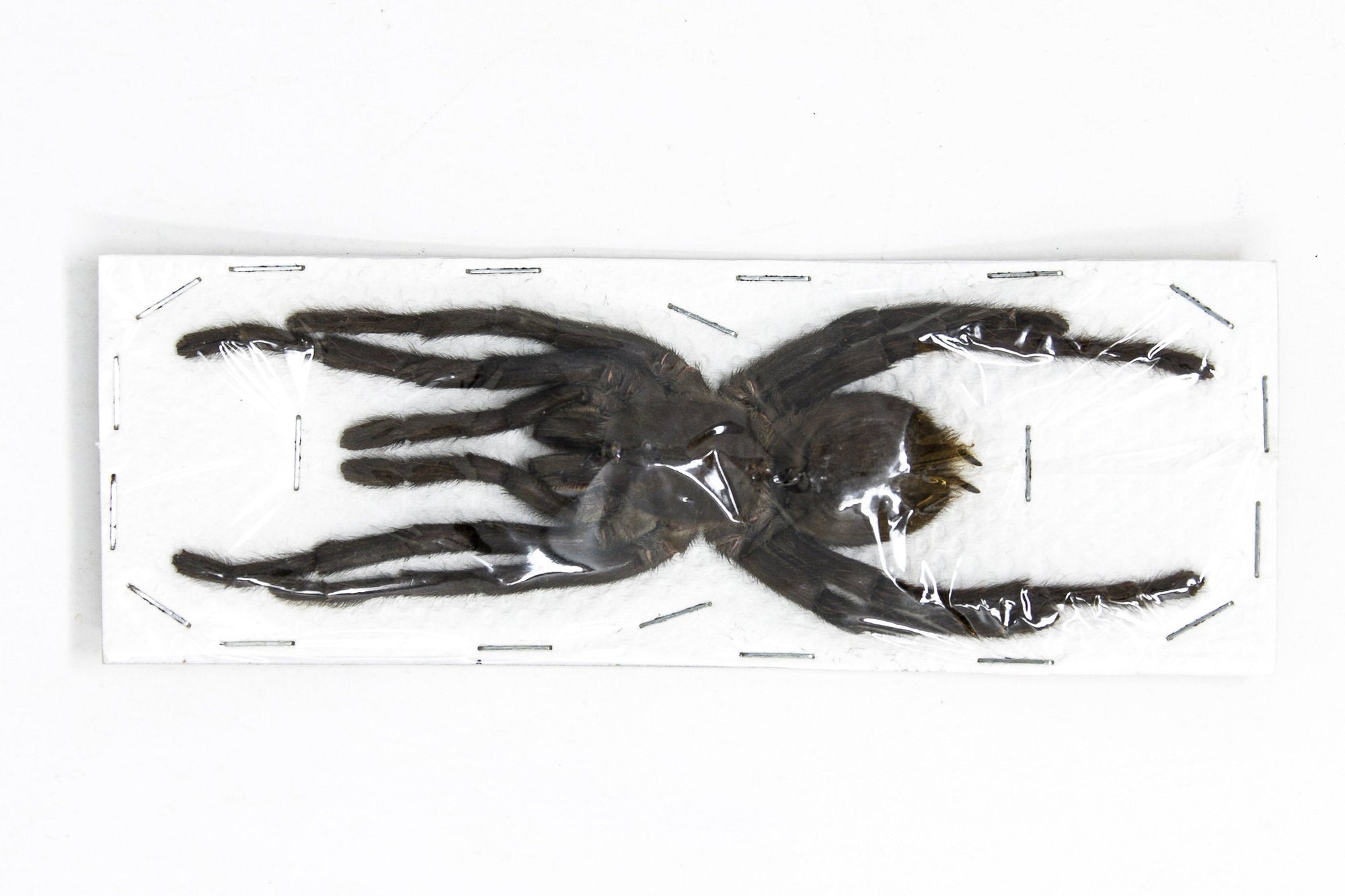
Thai Bird-Eating Tarantula — Cyriopagopus minax One of the most impressive tarantulas in the world, the Thai Bird-Eating Tarantula (Cyriopagopus minax, formerly Haplopelma minax) is a striking addition to any natural history collection. These are large, powerful specimens — imagine...

| /
A beautifully curated introduction to the mineral kingdom, presented in collaboration with the Science Museum®. This compact collection brings together 15 hand-selected mineral specimens, chosen for their clarity, colour variation and educational value. Each specimen reveals the extraordinary diversity of...
| /
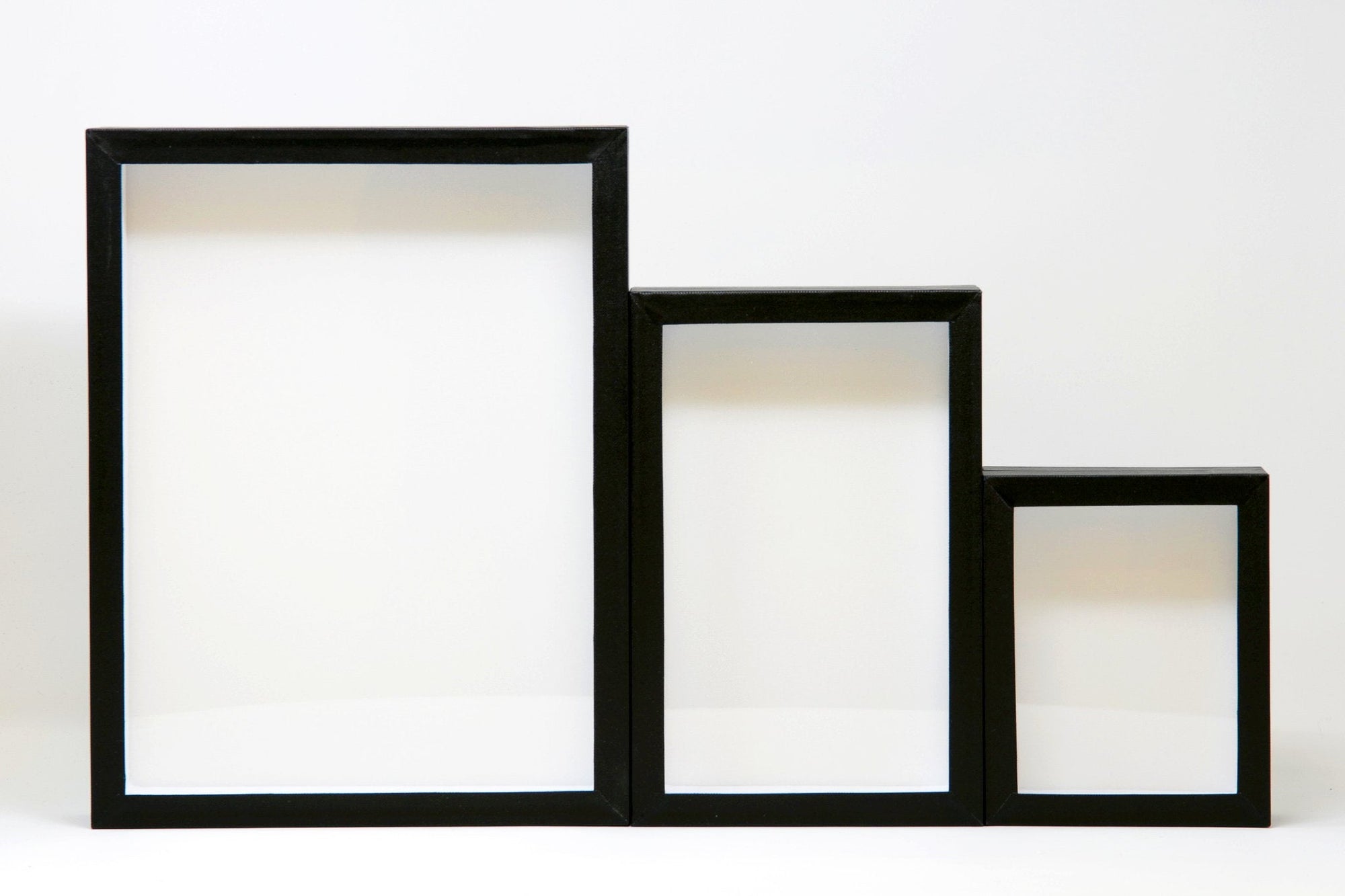
Classic entomological display boxes covered with book-binding cloth. Lined with Plastazote dense cell foam for secure pinning.Pin your butterflies and insects directly into the box.Very well constructed and includes a tightly fitted glass lid. Choice of sizes; X Large -...

| /
Millions of Years in the Making These natural agate geodes were formed over millions of years as mineral-rich water slowly deposited layer upon layer of silica within cavities in Brazilian volcanic rock. The result is the stone's signature banding —...
| /
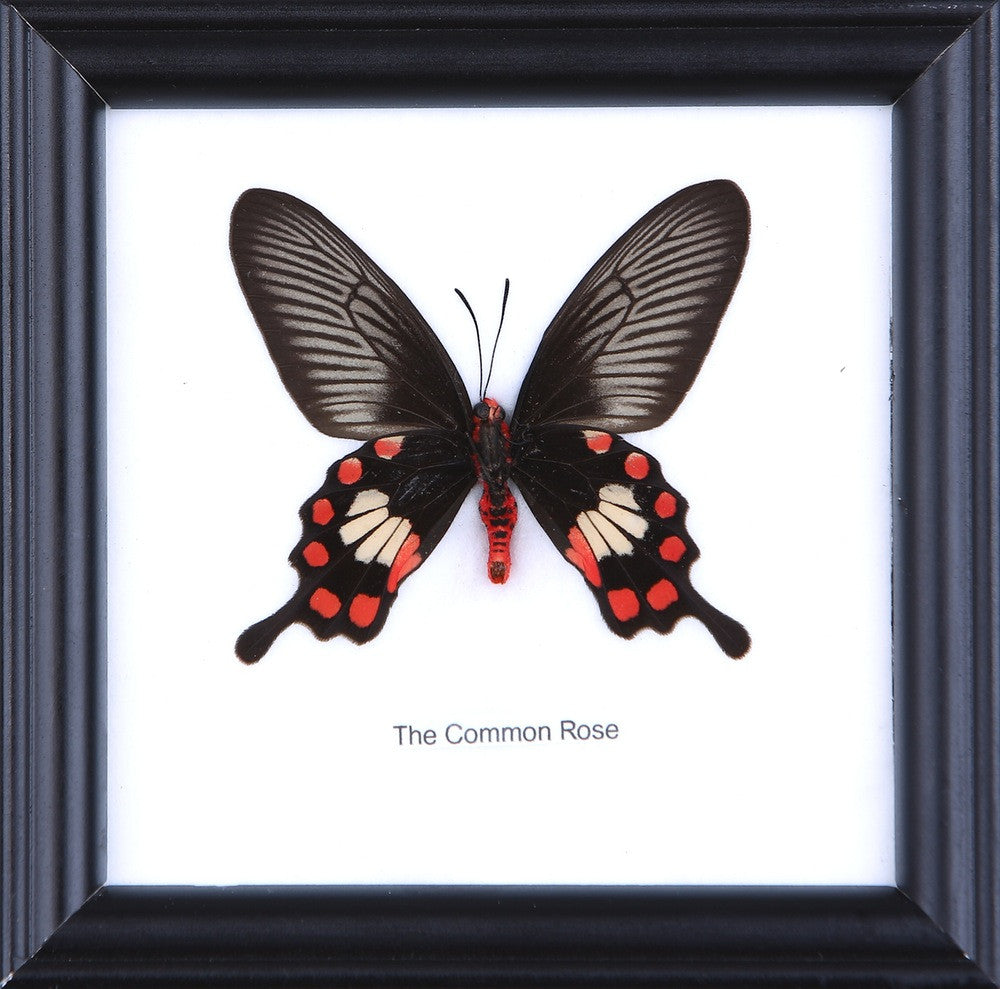
Common Rose Butterfly Framed Display - Real Tropical Specimen Discover the elegant beauty of Pachliopta aristolochiae - the striking Common Rose butterfly from Southeast Asia. This framed swallowtail display showcases the butterfly's distinctive red and black wing pattern beautifully preserved...

| /
Museum-Quality Spread Tarantula Specimens Stunning expertly prepared Selenocosmia javanensis dolichoplectra tarantulas, dry-preserved and spread to showcase their impressive anatomy and natural beauty. These A1 grade specimens are perfect for collectors, educators, and natural history enthusiasts. Specimen Details Species: Selenocosmia javanensis...

| /
Dry-preserved collectors quality A1 Pala, Central Sulawesi Indonesia

| /
A matched pair of Madagascan Comet Moths (Argema mittrei) — one of the world's largest and most spectacular silk moths. Captive-bred in Madagascar and dry-preserved to A1 museum quality. The male boasts impressive 20 cm tails wingspan, making this pair...

| /
Fifteen genuine fossils from ancient marine environments, each a tangible fragment of life preserved across millions of years. This curated collection transforms deep time into something you can hold in your hand. Selected for their educational value and visual appeal,...

| /
Giant Flat-Backed Millipede — Trigoniulus macropygus | 30cm / 12"At a jaw-dropping 30 centimetres (12 inches) in length, Trigoniulus macropygus is one of the most impressively sized millipede specimens available to collectors. Native to Southeast Asia, this flat-backed giant commands...

| /
Premium Wholesale Lot: 10 Spread Tarantula Specimens Species: Selenocosmia javanensis dolichoplectraGrade: A1 museum-qualityCondition: Dry-preserved, professionally spread Leg span: Small 60-80mm Leg span: Medium/Large 80–120mm Leg span: Extra-large 120–140mm Specimen Details Each tarantula in this wholesale lot has been expertly prepared...

| /
Collectors quality A1 real dried butterflies. Also suitable for artwork, handcraft, photography, butterfly collecting, pinning, taxidermy.

| /
The Jewel of the Mineral World Prized for centuries for its deep, captivating purple, amethyst is one of the most sought-after semi-precious stones in the world. These Brazilian amethyst geodes have been carefully selected for their rich colour and striking...

| /
A Statement Piece Rooted in Natural History Formed over millions of years within volcanic rock cavities in Brazil, these striking blue agate geodes reveal layers of intricate mineral banding and crystalline detail. Each piece has been cut, polished, and enhanced...

| /
Achieve museum-quality results with this hand-made professional cork setting board, crafted in the United Kingdom for entomologists, collectors, and natural history institutions who demand precision. The board measures 35cm (13¾") long x 19mm (¾") wide — a specialist micro board...

| /
3CM WINGSPAN / SMALL BUTTERFLIES FOR ART AND COLLECTING. Inspire your creativity with these beautiful ethically sourced butterflies.

| /
A curated collection of 15 genuine gemstones that reveals the geological forces behind nature's most captivating colours. This premium boxed collection brings together fifteen high-quality gemstone specimens, each selected for exceptional colour saturation, clarity and visual impact. From deep amethyst...
| /
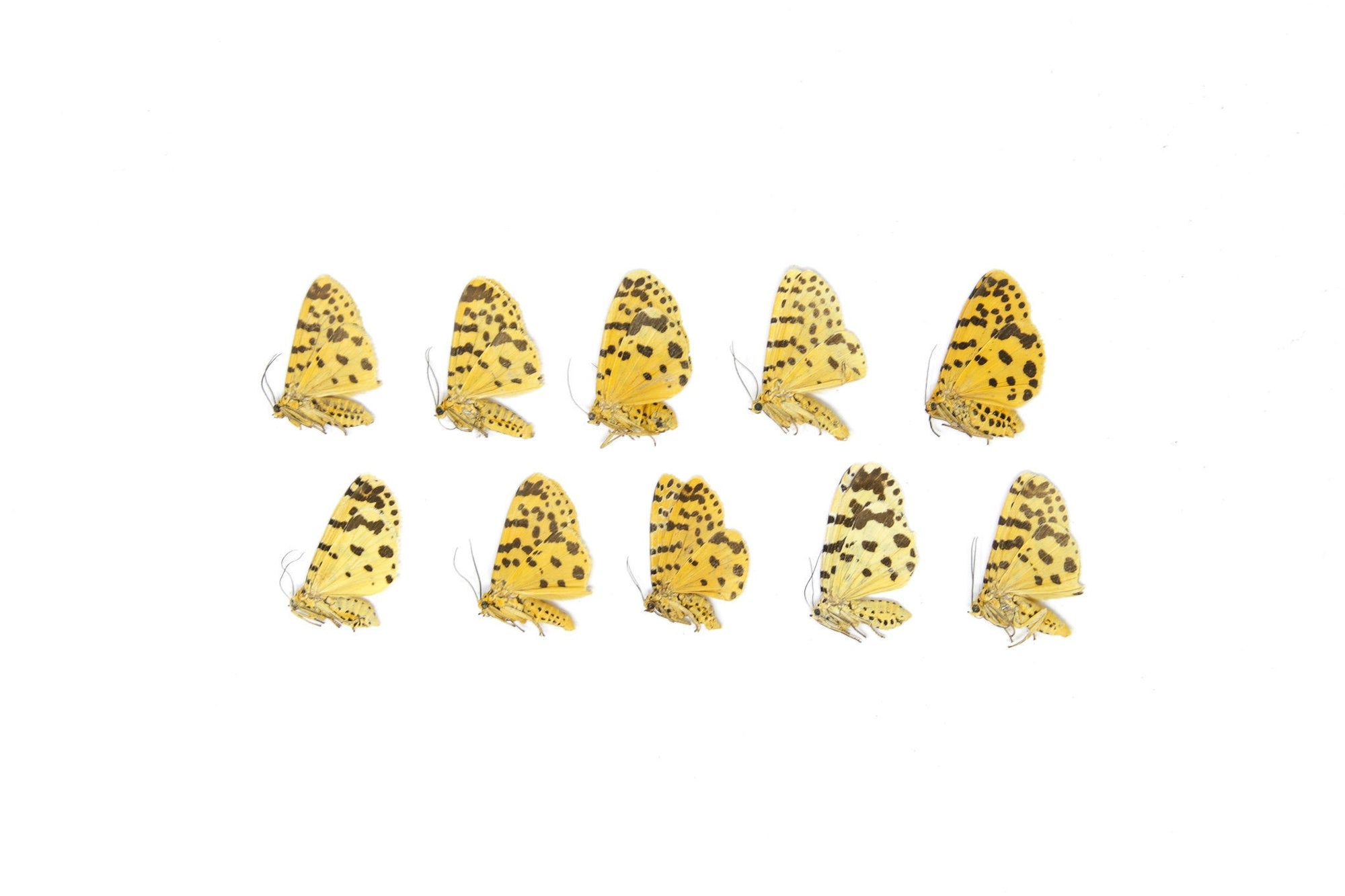
Argina astrea, The crotalaria podborer moth. A small-sized brightly colored moth from Indonesia with a 30-35mm wingspan. Ideal collectors quality A1/A1- and suitable for entomology collections, artistic creation, photography, and taxidermy. These are natural dry-preserved unmounted butterfly/moth specimens ethically sourced...

| /
Exquisite hand-carved Lapis Lazuli heart pendants featuring the deep celestial blue characteristic of top-grade Afghan lapis. Each pendant is individually shaped from natural stone and fitted with a secure clip for immediate wear. Specimen Details: Material: Natural Lapis Lazuli with...

| /
A genuine Eocene fossil fish from one of the world's most celebrated palaeontological formations. Knightia alta inhabited the vast freshwater lakes of Eocene North America approximately 33.9–56 million years ago. Taxonomically allied to herring and sardines, these schooling fish fed...
| /
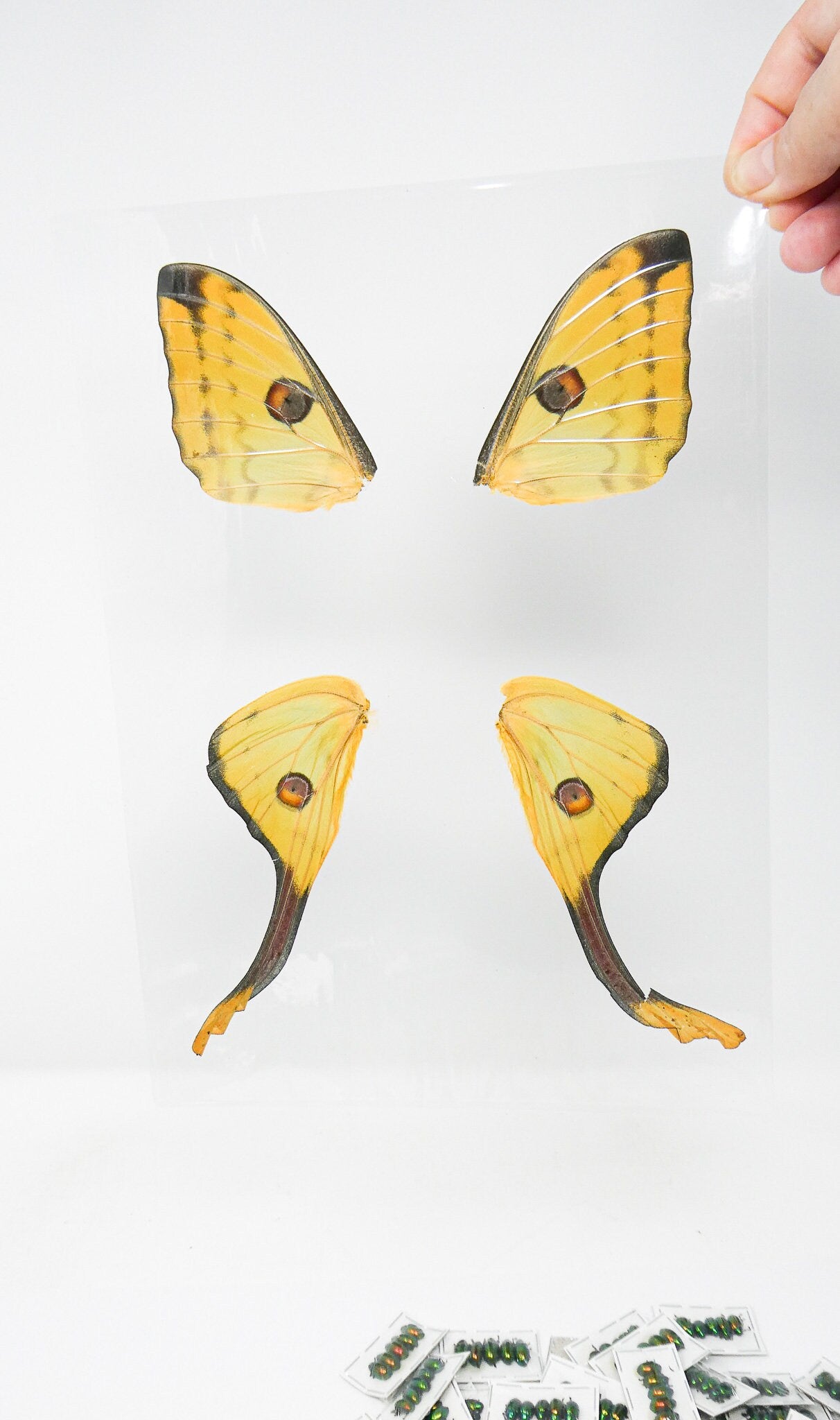
Laminated Butterfly Wings for Art and Craft Projects, Ethically Sourced Real Specimens
| /
Achieve museum-quality results with this hand-made professional cork setting board, crafted in the United Kingdom for entomologists, collectors, and natural history institutions who demand precision. The board measures 35cm (13¾") long x 50mm (2") wide and a 5mm (3⁄16") groove...

| /
A professional-grade angular balsa wood spreading board, designed for the preparation of small and medium Lepidoptera specimens. The 6 mm central groove accommodates the body of the butterfly securely, while the 25° angled wings create a dramatic in-flight, three-dimensional effect...

| /
Crack open six natural geodes to reveal hidden crystal formations shaped by millions of years of geological pressure. Each hollow stone holds a unique crystalline interior—no two are alike. This hands-on discovery kit combines authentic specimens with the tools needed...

| /
These striking Orthoceras sculptures are fossilised in dense black limestone, their distinctive bullet-like shells preserved in remarkable detail. Each piece tells 400 million years of natural history — the gas-filled chambers that once kept these ancient nautiloids buoyant now locked...

| /
A richly coloured polished free form specimen of Polychrome Jasper, hand-cut with a flat base for effortless display. Each piece is graded by weight, so dimensions will vary naturally, and the unique character of each stone — in colour, pattern,...

| /
One of nature's most perfect geometric forms, revealed in cross-section — a cut and polished Cleoniceras ammonite from the Cretaceous of Madagascar. Ammonites are among the most iconic and immediately recognisable fossils in the natural world. These cephalopod molluscs inhabited...
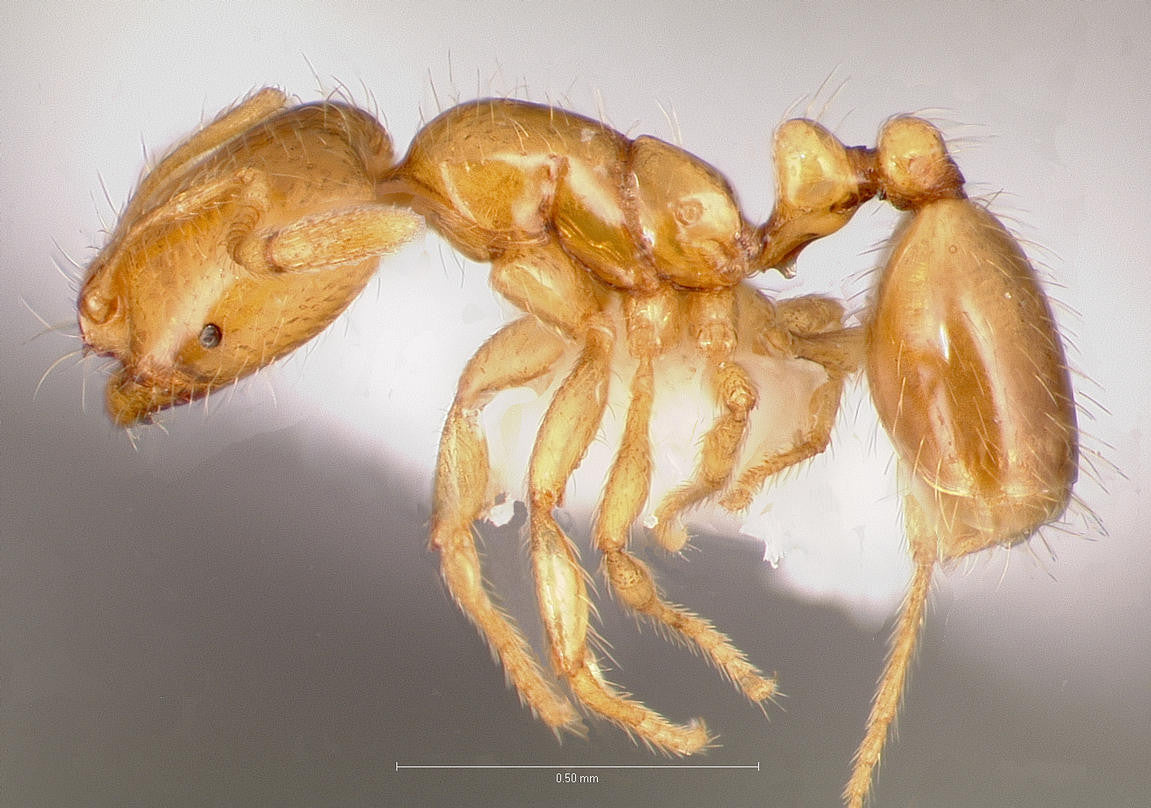
Tiny Insects Do Matter Sometimes it is the little things that matter most. For instance, insects may be tiny but they rule the world. They can be found in the air, beneath the ground, on your pet and even in...

Pinning very small insects requires specialized techniques that differ from standard pinning methods. Insects smaller than 10mm are too delicate for direct pinning with standard insect pins—attempting to do so will damage or destroy the specimen. Instead, entomologists use point...


